 Ai Everything
 LEAP26
 AI
AI Saudi Arabia
 UAE
UAE Egypt
EgyptAI in Education: Balancing Innovation with Ethics at EduVation 2025

3 min
EduVation explored AI in education, balancing excitement with questions of responsibility and ethics.
AI is quietly personalising lessons and reducing administrative tasks but raises privacy and bias concerns.
Speakers emphasised AI should support teachers, with transparent data practices and proper training essential.
The dialogue underscored ethics as necessary guardrails for innovation in education technology.
The key takeaway: technology should enhance, not overshadow, the learning experience.
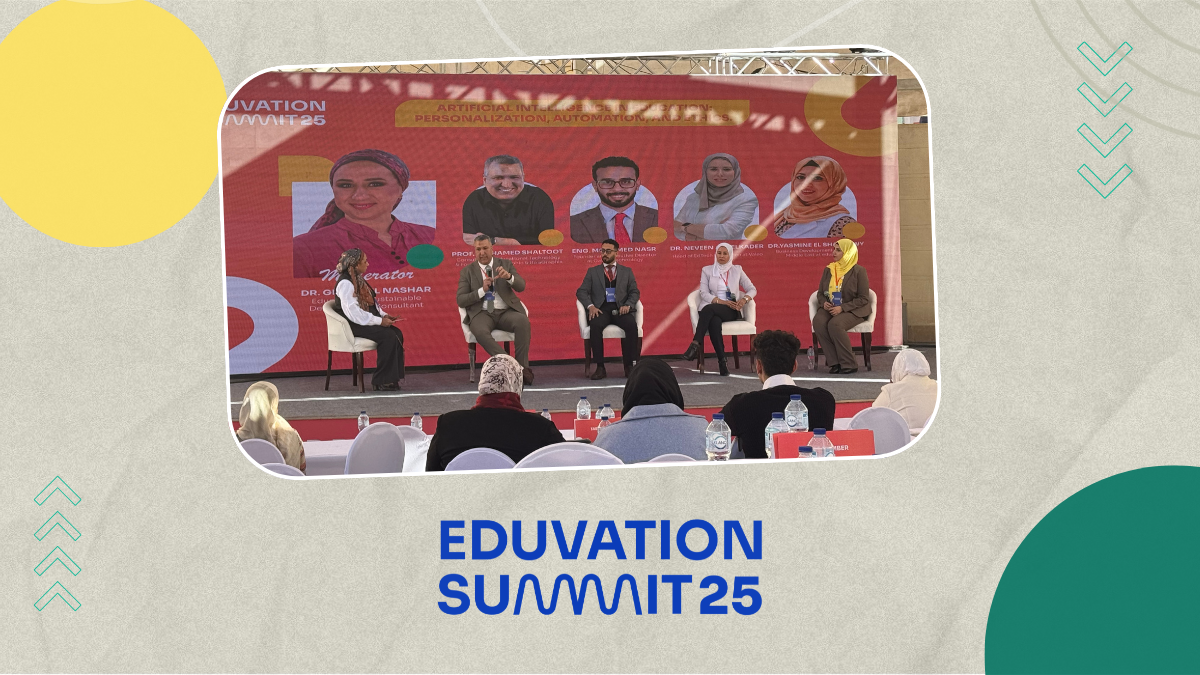
EduVation this year felt a bit like standing at a busy crossroads where excitement about the future meets the nagging question of “are we doing this responsibly?”. I’ve seen plenty of panels across the region that spin AI as a magic wand, but this one on “Artificial Intelligence in Education: Personalisation, Automation, and Ethics” took a steadier, more grounded route. And believe it or not, that made the whole thing far more compelling.
The session dug into how AI is already slipping into classrooms—quietly personalising lessons, trimming down admin chores, and giving teachers extra breathing room. I reckon many educators would be chuffed to bits just to have fewer spreadsheets to deal with. That said, the speakers didn’t shy away from the thornier parts of the story, especially around data privacy, algorithmic bias, and the danger of widening gaps between schools that can afford new tools and those that can’t. As someone who’s visited early‑stage startups across the MENA region with Arageek, I’ve seen first-hand how tech can lift people up—but also how it can become a bit of a faff if it’s rolled out without clear direction.
The panel brought together voices with properly mixed expertise. Dr Ghada El Nashar pointed out how any AI used in classrooms needs to align with sustainable and inclusive education goals, not just shiny new software for the sake of it. Mohamed Shawky Abdelrahman drew from hands-on experience, explaining how teachers can introduce AI tools without overwhelming students. On the flip side, Neveen Abdelkader focused on the importance of innovation frameworks—essentially making sure enthusiasm doesn’t outrun responsibility. Mohamed Nasr added perspective on scaling AI across institutions while maintaining trust, which is easier said than done… well, I mean, especially when parents are still nervous about where all that data is going. And Yasmine El Sharkawy offered a market view, showing how many educators are already adopting AI to spark engagement in ways that simply weren’t possible a few years ago.
What tied all these viewpoints together was a shared belief that AI should support educators, not push them out of the picture. Teachers remain at the centre of the learning process, and the tech should simply make their work more meaningful. To do that, the speakers argued, institutions need clear policies, transparent data practices, and proper training—not the usual “launch first, fix later” approach seen in some edtech trends. Without these, public trust can vanish quicker than a dropped Wi-Fi signal, and that’s definatley a risk the sector can’t afford.
Still, the conversation wasn’t about slowing innovation down. If anything, it highlighted how ethics can act like the guardrails that let you drive faster without veering off the road. The examples shared—some from the region, some international—showed how schools can adopt AI without compromising fairness or accessibility.
In the end, the message coming out of EduVation was refreshingly spot on: technology should serve learning, not overshadow it. For those of us at Arageek who follow how these conversations shape real action across the MENA startup and education ecosystem, this panel felt like one of those moments where optimism and responsibility actually joined forces.
🚀 Got exciting news to share?
If you're a startup founder, VC, or PR agency with big updates—funding rounds, product launches 📢, or company milestones 🎉 — AraGeek English wants to hear from you!


✉️ Send Us Your Story 👇