 LEAP26
 AI
AI Saudi Arabia
 UAE
UAE Egypt
EgyptLime Consumer Finance and Cippo Egypt Partner to Revolutionise Educational Financing

4 min
Lime Consumer Finance partners Cippo Egypt to widen access to inclusive education.
Families gain flexible payments for “integrated educational and developmental services”, including shadow teachers.
Around “one in ten children” may need extra developmental support.
The aim is linking fintech with real social needs, not simply pushing credit.
The move reflects growing calls for fair access to child wellbeing support.
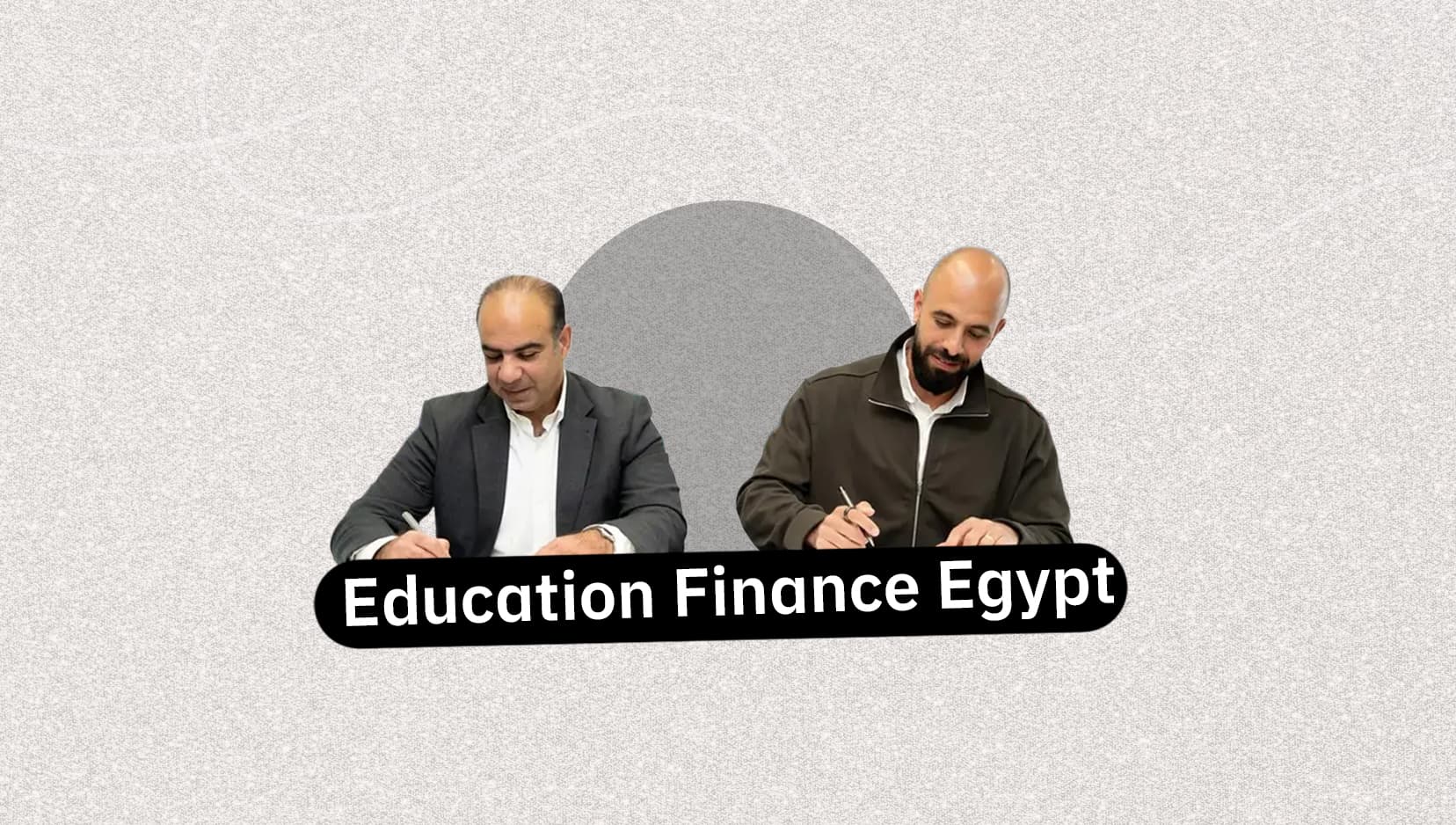
Lime Consumer Finance is doubling down on its bet that education should not be a luxury in Egypt. The fintech platform, known as the country’s largest specialist in long-term education financing, has entered a strategic partnership with Cairo-based child development organisation Cippo Egypt, aiming to make inclusive, high-quality education more accessible to families, including those raising children with special abilities.
On paper, it’s a financing deal. In practice, it’s about something much closer to home.
Through the collaboration, families will be offered flexible payment solutions to access Cippo’s integrated educational and developmental services. These include psychological and educational programmes, workshops, and even shadow teachers, a detail that stood out to me because, in many schools, that kind of tailored support can be a bit of a faff to arrange, not to mention expensive. The idea is to ease that burden and give parents space to focus on their children’s growth rather than the monthly maths.
Ahmed Mohsen, CEO and Managing Director of Lime Consumer Finance, has framed the move as part of the company’s broader, purpose-driven approach. He pointed to studies indicating that between 6% and 10% of children in Egypt experience developmental disorders or learning and communication difficulties. In simple terms, that’s roughly one in ten children who may need additional educational or developmental support. It’s a statistic that stops you in your tracks.
Mohsen emphasised that fintech can, and perhaps should, play a role in connecting financial tools with real social needs. By supporting sectors that directly affect families and children, he suggested, platforms like Lime can create tangible social impact rather than simply pushing credit.
Cippo’s founder and CEO, Tamer Al Kharratt, echoed that sentiment. The partnership, he said, is about building a future where every child is understood and supported. Cippo works with children aged three to 16, including those on the autism spectrum, with ADHD, learning challenges, or emotional and behavioural needs. Founded in 2017, the organisation provides services not only in clinics but across schools, homes, clubs and community settings, a whole-child approach that brings families and educators into the same conversation rather than isolating support in therapy rooms.
And believe it or not, that ecosystem-style thinking is still not the norm. Many parents end up stitching together services from multiple providers, which can be costly and exhausting. By combining financial accessibility with integrated development programmes, Lime and Cippo are trying to smooth that journey.
The timing also reflects broader national conversations. Data from Egypt’s CAPMAS has highlighted the growing urgency of improving child wellbeing and ensuring fair access to educational and developmental support. In that context, fintech-backed education funding feels less like a niche product and more like part of a bigger puzzle.
Lime itself was established under the Financial Regulatory Authority (FRA) and is backed by FAB Group in the UAE. While it started with a focus on financing the full education journey, from KG to PhD, the company has signalled ambitions to expand into other high-impact sectors. Its app operates as a digital marketplace of educational institutions, with onboarding and data-driven tools designed to help families make informed decisions. Whether that vision scales smoothly is another question, but the foundation seems spot on.
At Arageek, we often speak to founders who say access is half the battle. I remember attending a small edtech meetup in Cairo where a mother in the audience said she didn’t need charity, she needed flexibility. That really stayed with me. Access to structured financing, if done responsibly, can be empowering rather than burdensome.
Of course, financing is not a silver bullet. It must be transparent, affordable and carefully regulated, otherwise it risks adding stress instead of solving it. I’m not a fan of buzzwords for the sake of it, but inclusive education that is backed by practical tools? That’s something that does make sense.
By linking financial solutions with specialised child development services, Lime and Cippo are positioning themselves at the intersection of fintech and social impact. It’s definately a space worth watching as Egypt’s education landscape continues to evolve. And for families navigating developmental challenges, any move that makes support more reachable could make all the difference, you know?
🚀 Got exciting news to share?
If you're a startup founder, VC, or PR agency with big updates—funding rounds, product launches 📢, or company milestones 🎉 — AraGeek English wants to hear from you!

✉️ Send Us Your Story 👇