 Ai Everything
 LEAP26
 AI
AI Saudi Arabia
 UAE
UAE Egypt
EgyptMicrosoft Ups Gulf Investment to $10B: Expands AI, Cloud, and Cybersecurity Initiatives

4 min
Microsoft will raise Gulf investment above USD 10 billion by 2030.
The plan covers AI, cloud, cybersecurity, connectivity and “digital resilience” across four countries.
More than USD 400 million will fund the region’s vital network “plumbing”.
Microsoft aims to train 4.
2 million people in AI and tech skills.
Partnerships, green infrastructure and stronger security will shape the Gulf’s next digital phase.
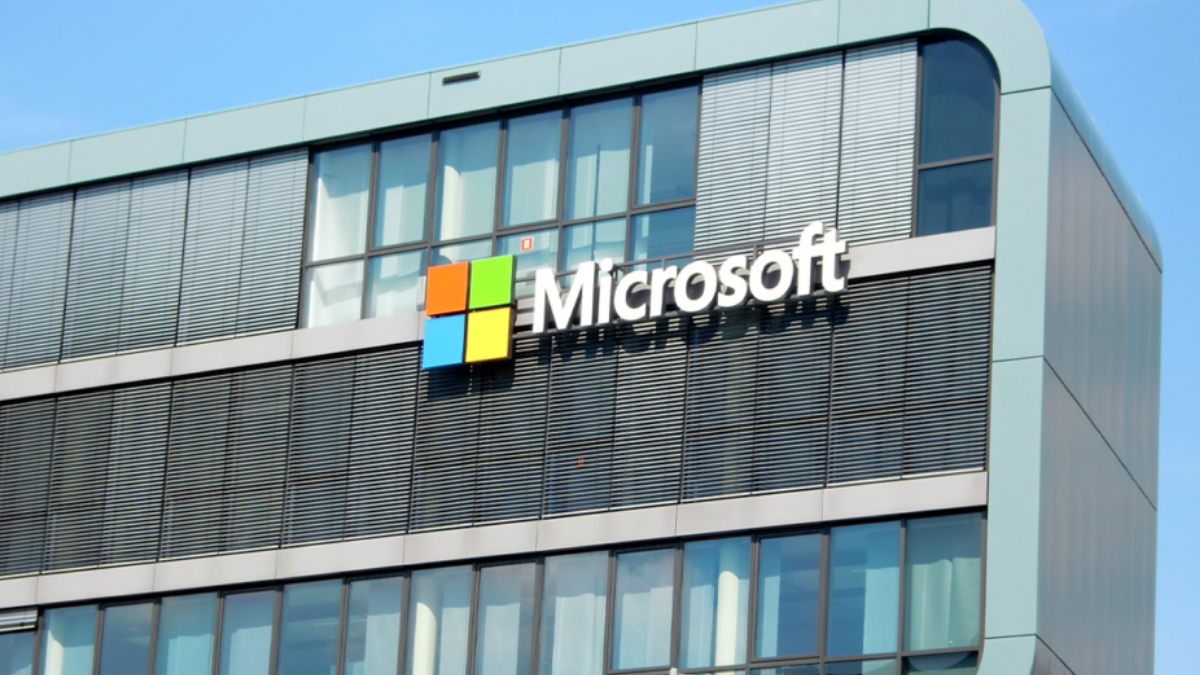
Microsoft is putting even more weight behind its Gulf strategy, lifting its planned investment in the region to more than USD 10 billion by 2030. That is roughly USD 2 billion above what had already been outlined, and it covers the UAE, Saudi Arabia, Qatar and Kuwait.
The money is not only about building more data centres, although that is clearly a big part of it. The broader plan stretches across AI and cloud infrastructure, connectivity, cybersecurity, digital resilience and workforce training. In plain words, Microsoft seems to be betting that the Gulf’s AI push now needs a full ecosystem, not just a few flashy facilities here and there. I reckon that is the bit worth watching.
For startups and tech firms across MENA, including plenty of readers who follow Arageek closely, this could be spot on if it translates into easier access to computing power and cloud tools inside the region. Anyone who has tried to scale an AI-heavy product knows it can be a bit of a faff when infrastructure is far away or costly. I still remember founders telling me at regional events that access, not ambition, was the real bottleneck.
Microsoft said its combined capital and operating spending across the four Gulf countries will top USD 10 billion through 2030. Included in that figure is the previously announced USD 7.9 billion commitment for the UAE. Alongside the core AI and cloud buildout, the company has earmarked more than USD 400 million for subsea and terrestrial connectivity by the end of the decade.
That matters because cables and network links are not the glamorous side of AI, well… I mean, they are often ignored, but they are the plumbing that makes the whole thing work. Microsoft is also planning a Middle East digital resilience initiative focused on continuity planning and vulnerability assessments, which suggests the company is trying to address not just growth, but also how the system holds up when things go wrong.
The company is deepening work with regional AI players too. These partnerships include Abu Dhabi’s G42, where Microsoft already holds a USD 1.5 billion minority stake, as well as Saudi Arabia’s HUMAIN and Qatar’s QAI. It also plans to expand the Responsible AI Future Foundation, which was set up with G42 and Mohamed bin Zayed University of Artificial Intelligence, to support governance and evaluation tools for AI across the region.
On the skills side, Microsoft says it wants to help more than 4.2 million people across the four countries gain AI and tech capabilities by 2030. This builds on programmes already under way, including Saudi Arabia’s AI Global Leadership Program and the Women’s Datacenter Academy. That said, training targets always sound nice on paper; the real test is whether they lead to jobs, stronger startups and actual technical depth on the ground.
There is also an environmental angle. Microsoft said it will pursue water-positive goals for its AI infrastructure, including zero-water-cooling technologies where feasible, while also increasing clean energy procurement in the region. And believe it or not, this is becoming less of a side note and more of a serious issue, especially in Gulf markets where water and energy use are under growing scrutiny.
Cybersecurity is another plank of the plan. Microsoft intends to appoint dedicated cybersecurity champions in each of the four countries, working with national authorities. Given the rise in digital threats as more government and business activity moves online, that part may prove just as important as the servers themselves.
The latest announcement follows more than USD 7.3 billion in Microsoft spending in the UAE between 2023 and the end of 2025. That total included the G42 investment, over USD 4.6 billion in capital expenditure on AI and cloud data centres, and more than USD 1.2 billion in local operating costs. In Saudi Arabia, a key milestone is still ahead, with Microsoft’s Saudi Arabia East data centre region expected to go live in November 2026.
So the headline number is big, no doubt about it. But the next chapter will be about execution. If new capacity comes online, if the connectivity projects move ahead, and if those governance and cybersecurity initiatives stop being buzzwords, then this could turn into something quite meaningful for the Gulf’s digital economy. For the startup crowd across MENA, that is definately the part to keep an eye on.
🚀 Got exciting news to share?
If you're a startup founder, VC, or PR agency with big updates—funding rounds, product launches 📢, or company milestones 🎉 — AraGeek English wants to hear from you!


✉️ Send Us Your Story 👇