 LEAP26
 AI
AI Saudi Arabia
 UAE
UAE Egypt
EgyptQatar’s UDST Showcases Student-Led Startups at Web Summit with UHUB

3 min
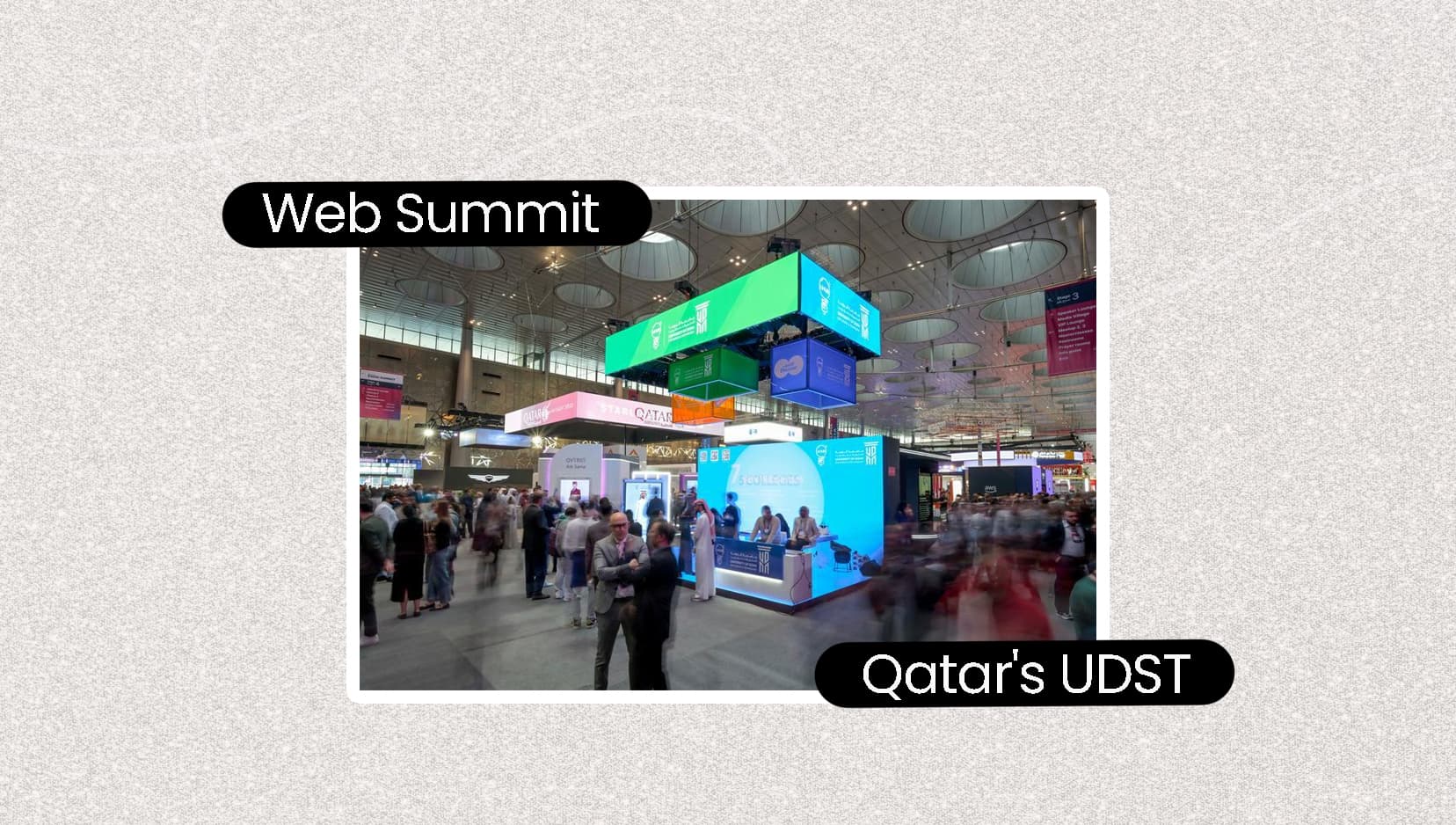
The University of Doha for Science and Technology showcased student startups at Web Summit.
The focus is on applied innovation, saying universities should help ideas “survive out in the wild”.
UHUB highlighted student and alumni ventures across AI, fintech, health, and education.
Faculty sessions linked academic expertise with “AI, automation and data‑driven innovation”.
The effort reflects Qatar’s push to turn universities into engines of entrepreneurship.
The University of Doha for Science and Technology has been making its presence felt at Web Summit, putting the spotlight on student‑founded startups and a broader push around applied innovation, entrepreneurship and AI. The idea, from what’s been shared publicly, is simple enough: universities shouldn’t just teach theory, they should help ideas survive out in the wild, where the rubber meets the road. And at a global tech gathering like this, that matters.
Much of the attention centres on UHUB, the university’s business incubator, which is showcasing startups built by students and alumni across areas ranging from artificial intelligence and fintech to health, education, agri‑tech and accessibility solutions. I’ve seen similar models across the MENA region, and when it works, it’s no small feat. Turning coursework into market‑ready products is often a bit of a faff, yet these teams are already tackling real problems, not just polishing slide decks for demo day.
University president Dr Salem Al‑Naemi summed up the thinking behind the initiative, saying the university sees itself as an active player in building innovation‑driven economies. Through UHUB, he noted, students and faculty are encouraged to move beyond ideas and research towards scalable solutions that speak to national priorities and global markets. It’s a familiar argument, but I reckon it lands better when you can point to actual companies, not just good intentions.
During the summit, visitors have been able to hear directly from student founders as they talk through their journeys, from testing an idea to entering the market. Alongside that, faculty‑led sessions dig into topics like AI, automation and data‑driven innovation, drawing a clear line between academic expertise and industry needs. On the flip side, these conversations also help academics stay grounded; once investors start asking questions, theory gets stress‑tested pretty quickly.
There’s also a strong focus on collaboration, with on‑stage discussions bringing together government bodies, ecosystem partners and investors to talk about founder support and national innovation pipelines. Startups backed by UHUB are using the moment to connect with potential partners and funders, chasing funding and international exposure, well… because that’s how you scale. From an Arageek perspective, this kind of visibility is exactly what helps young founders in the region feel they’re part of something bigger.
All told, UDST’s participation underlines Qatar’s growing ambition to position its universities as engines of applied tech and entrepreneurship, not just academic institutions. I’m not a fan of hype for hype’s sake, but this feels like a practical step in the right direction, definately one worth watching as these student‑led startups move from campus labs to the global stage.
🚀 Got exciting news to share?
If you're a startup founder, VC, or PR agency with big updates—funding rounds, product launches 📢, or company milestones 🎉 — AraGeek English wants to hear from you!


✉️ Send Us Your Story 👇