 LEAP26
 AI
AI Saudi Arabia
 UAE
UAE Egypt
EgyptTabby’s Saudi Division Surges with $378M Revenue, Eyes IPO Potential

3 min
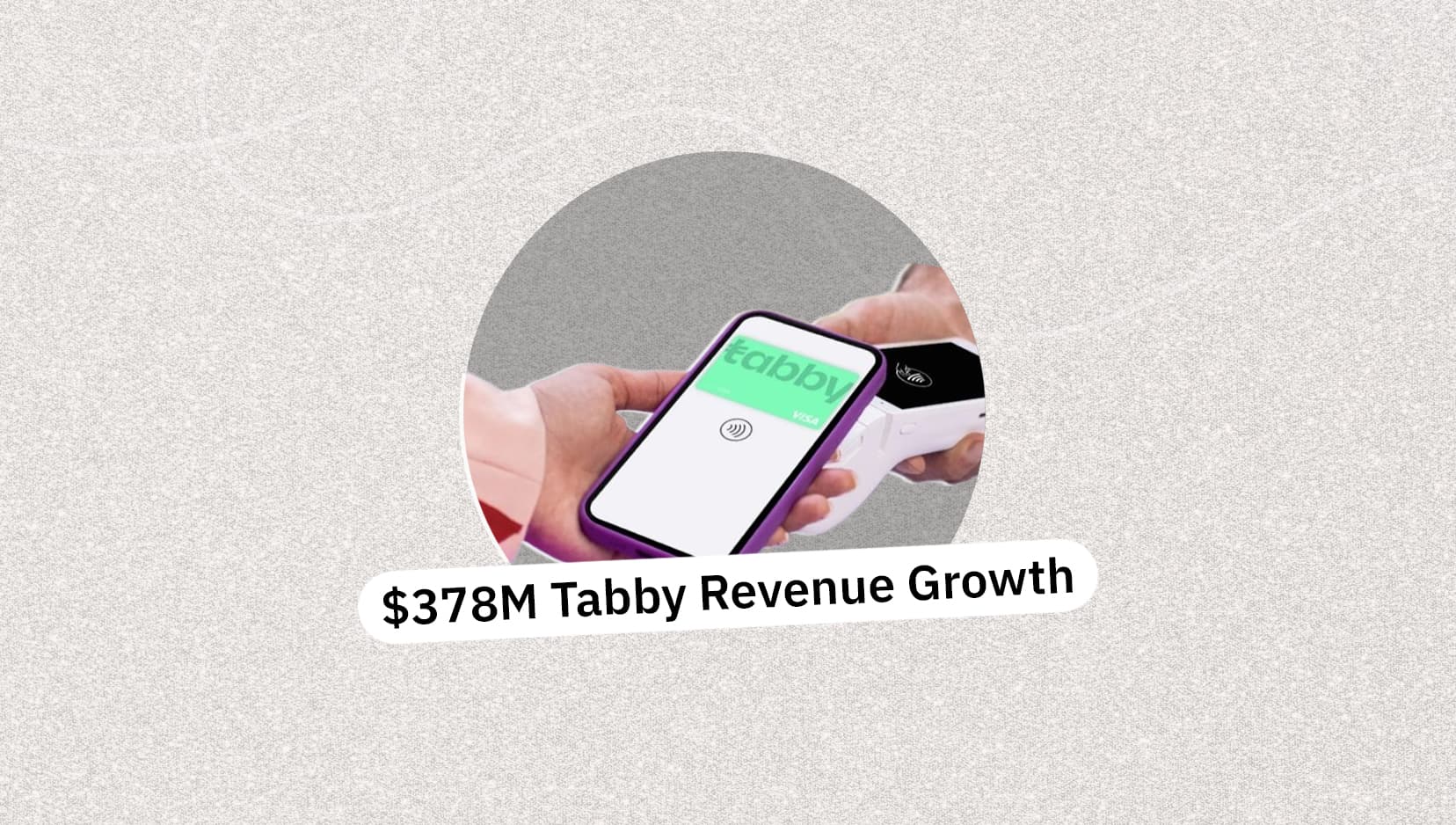
Tabby’s Saudi arm reported $378m revenue and $55m net profit for 2025.
Revenue rose 42%, net income 82%, marking a second straight profitable year.
Audited results arrive amid talk of a Saudi Exchange flotation.
Net debt hit $689m, breaching SAMA’s cap by $139m.
BNPL expansion into bigger purchases signals growth, but leverage draws scrutiny.
Tabby’s Saudi arm has posted $378 million in revenue and $55 million in net profit for the year ending 31 December 2025, marking the first time the company has released full-year audited figures for its operations in the Kingdom. For a region where fintech stories sometimes feel heavy on hype and light on hard numbers, this kind of disclosure is, I reckon, spot on.
The results relate to Tabby Financing Company, the entity licensed by the Saudi Central Bank (SAMA) to run the buy now, pay later model in Saudi Arabia. Revenue climbed 42% from $267 million in 2024, while net income jumped 82% from $30 million the previous year. It’s the second year in a row the Saudi unit has remained profitable, not a small feat in a sector where margins can disappear quickly.
Saudi Arabia is the largest and most tightly regulated part of Tabby’s business, although the company also operates in the UAE and other markets through separate entities. The scale matters. This is the part of the business most exposed to regulatory scrutiny, and probably the one future investors will look at most closely.
And believe it or not, these numbers come as reports continue to swirl around a potential public listing on the Saudi Exchange. International banks including HSBC, JPMorgan and Morgan Stanley are said to be advising on a possible flotation. Nothing is confirmed, of course, but the timing of audited results often signals that companies are getting their house in order before a bigger step.
The company has said its BNPL offering continues to gain ground across Saudi e-commerce platforms. There’s growing traction in higher-value purchases and offline retail too, which is interesting. BNPL started with fashion checkouts and small baskets, but now it’s creeping into bigger-ticket items, electronics, travel, even healthcare in some markets. That shift can change the entire risk equation.
That said, not everything is perfectly tidy. The audited filing shows net debt reached $689 million, exceeding a regulatory ceiling set by SAMA by $139 million. Approval is reportedly being sought to raise that cap. It’s one of those details that investors will definately scrutinise. Growth is great, but leverage always needs a careful eye.
Around Arageek, we often talk about how fintech in MENA is no longer just chasing user numbers but building real financial infrastructure. I remember a few years back, founders would speak mostly about downloads and app engagement, well… I mean, that’s important, sure. But audited profitability? That’s another level. It shows maturity.
On the flip side, I’m not a fan of over-romanticising BNPL. The model works when underwriting is disciplined and consumer spending remains healthy. If either wobbles, it can quickly become a bit of a faff to manage defaults and funding lines. Still, Tabby’s second straight profit suggests there is some resilience baked in.
With expansion into broader financial services reportedly on the horizon, the valuation conversation is only getting louder. If a listing does materialise, these Saudi results will likely form the backbone of the equity story. For now, the цифers paint a picture of a fintech player that is no longer just chasing growth, but trying to prove it can do so sustainably, and in Saudi’s regulated environment, that’s no small thing.
🚀 Got exciting news to share?
If you're a startup founder, VC, or PR agency with big updates—funding rounds, product launches 📢, or company milestones 🎉 — AraGeek English wants to hear from you!





✉️ Send Us Your Story 👇