 GITEX Dubai
 Ai Everything
 LEAP26
 AI
AI Saudi Arabia
 UAE
UAE Egypt
EgyptYuno Secures $45M Series B to Boost Middle East Payment Innovations


4 min
Qatar-backed Rasmal joined Yuno’s $45 million Series B as Gulf expansion gathers pace.
Yuno links businesses to 1,000 payment methods through one API in 190 countries.
The funding backs R&D, stronger infrastructure and a clear ‘path to profitability’.
Yuno says it recovered $5 billion in failed transactions and cut costs sharply.
Its Middle East push includes Saudi certification and partnerships with Tap Payments and Tabby.
Qatar-backed Rasmal Ventures has joined a $45 million Series B round in Yuno, the global payments infrastructure startup, as the company pushes deeper into the Middle East and works towards profitability. The round was led by Global PayTech Ventures, with backing also coming from Abu Dhabi’s Further Ventures, GrowthX Capital, Andreessen Horowitz, Tiger Global, QuantumLight Capital, Monashees, Kaszek and Endeavor Catalyst.
Yuno, which was founded in Colombia in 2022, has built a platform that lets businesses plug into more than 1,000 payment methods and over 460 integrations through a single API across more than 190 countries. In simple words, it is trying to remove a bit of the faff that companies face when they want to accept payments in many markets at once. I reckon that is exactly why investors in this region are paying attention: cross-border commerce sounds exciting, but payments is where things usually get messy, fast.
Rasmal Ventures was described by Yuno as Qatar’s first investment firm backed by the Qatar Investment Authority. Its participation in this round looks strategic, not just financial. As Yuno expands in the Gulf, having regional investors who understand local payment systems, regulation and merchant behaviour can be spot on for a company trying to scale properly rather than just plant flags.
Soumaya Ben Beya Dridje, Partner at Rasmal Ventures, said the challenge in payments is becoming “genuinely local everywhere”, adding that Yuno has managed to solve that at a global level. She said the firm invested because Juan Pablo and his team are building infrastructure that payment corridors in the region need.
That said, this is not only a story about fresh capital. Yuno says the new funding will go into research and development, next-generation payments technology and expanding its global infrastructure, while supporting its path to profitability. And believe it or not, that profitability point matters more now than it did a few years ago, when startups could raise big rounds without being pushed too hard on the numbers.
Over the past year, the company said it recovered more than $5 billion in transaction volume that would otherwise have failed for merchants on its network. It also reported an increase of around 5% in authorisation rates, savings of more than $500 million in processing costs for customers, and 150 new integrations added during the period. Those are the kind of operational figures investors usually like to see because they show the product is not just shiny on paper, well... I mean, it is doing something measurable for merchants.
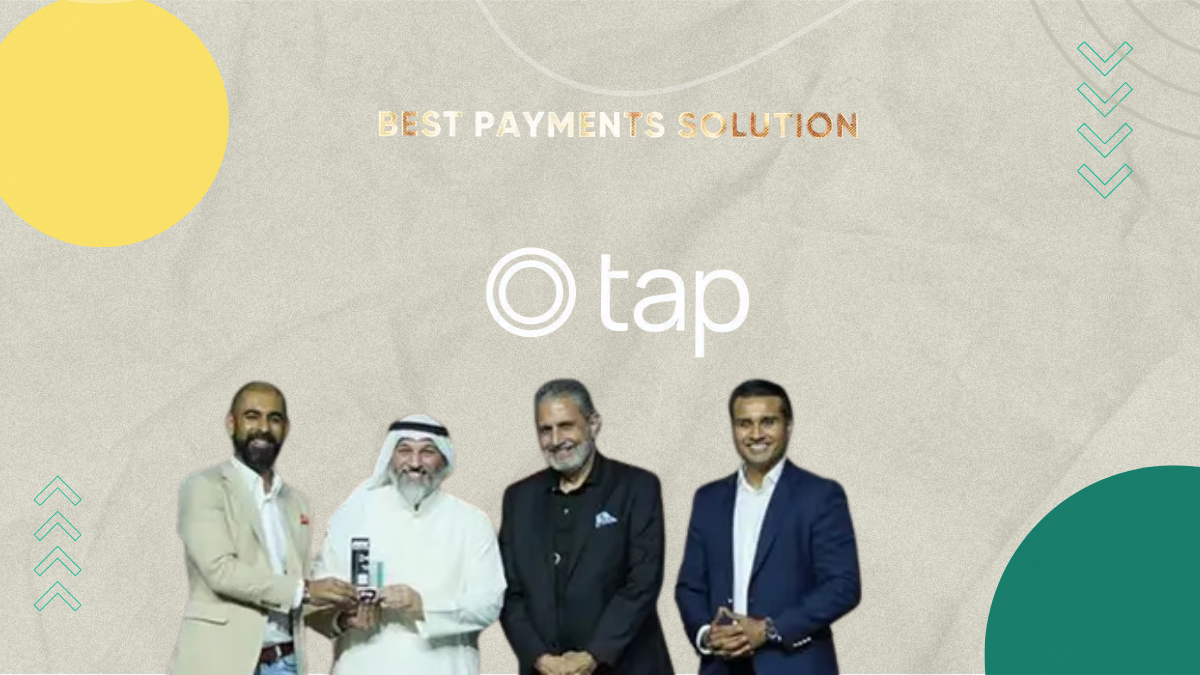
The Middle East angle is becoming more important in Yuno’s story. In April 2026, Yuno Payments Arabia received Payment Technical Service Provider certification from the Saudi Central Bank. The company has also teamed up with Tap Payments to tap local payment rails such as Mada, KNET and NAPS across the six GCC countries. On top of that, it has a buy now, pay later partnership with Tabby covering Saudi Arabia and the UAE.
For readers at Arageek who follow the region’s startup scene closely, this kind of move feels familiar. I often think one of the biggest gaps for founders in MENA is not ambition but infrastructure, especially when scaling from one market to another. Payments can make or break that journey. So while I’m not a fan of startup hype when it runs ahead of reality, this deal does look like a meaningful vote of confidence in the plumbing behind digital commerce.
One point in the source material sits a little outside the main Yuno funding story: the Saudi Central Bank, also known as SAMA, has licensed DaftarPay to provide BNPL services. That takes the total number of licensed finance companies in the Kingdom to 76, with the approvals expected to support financial innovation, inclusion and access. The licence also allows the fintech to expand beyond buy now, pay later offerings, which shows Saudi Arabia’s fintech market is still broadening while players like Yuno build the rails underneath it.
Put together, the picture is fairly clear. Yuno is raising fresh money, adding heavyweight investors, and strengthening its position in a region where local payment access is not a nice-to-have but a must. For Gulf merchants and startups eyeing wider expansion, that could be definately worth watching.
🚀 Got exciting news to share?
If you're a startup founder, VC, or PR agency with big updates—funding rounds, product launches 📢, or company milestones 🎉 — AraGeek English wants to hear from you!

✉️ Send Us Your Story 👇