 GITEX Dubai
 Ai Everything
 LEAP26
 AI
AI Saudi Arabia
 UAE
UAE Egypt
EgyptAI-Driven GMS and Shabodi Unite to Unlock Network API Monetisation

4 min
GMS and Shabodi partner to speed up Network API enablement and monetisation.
Platform aggregates enterprise demand, linking operator capabilities with real business use.
Standardised APIs support SIM swap checks, verification, fraud prevention and QoS.
Operators monetise network data without costly core overhauls, using GSMA Open Gateway.
Move could shift telcos from selling connectivity to selling embedded network intelligence.
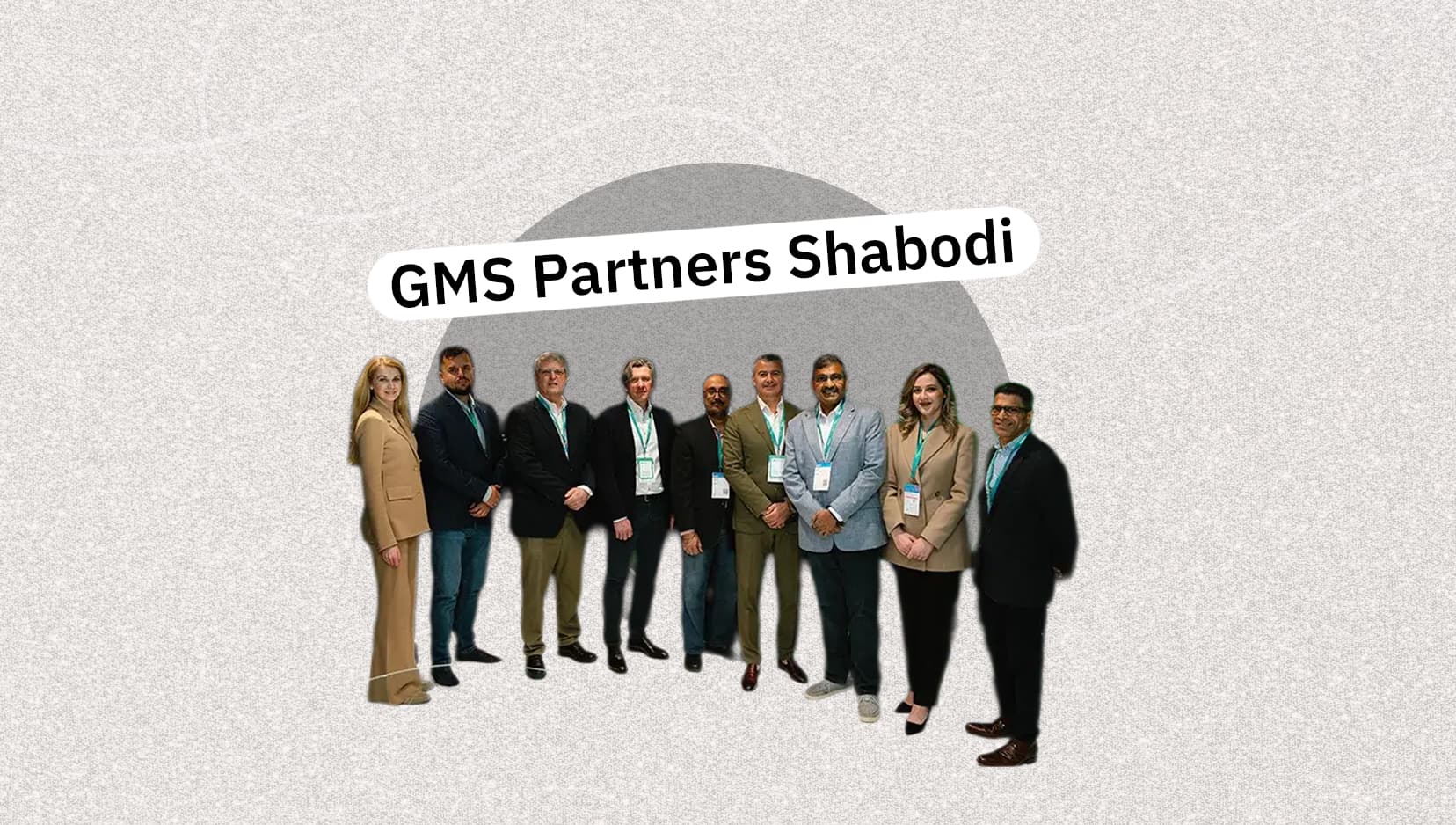
For years, telecom operators have spoken about “unlocking network value” as if it were a magic button. In reality, it has often been a bit of a faff – especially when it comes to turning technical capabilities into revenue that enterprises are actually willing to pay for. Now, GMS, known as an AI-driven communications solutions partner for enterprises and mobile network operators, is teaming up with Shabodi in a move designed to speed up the enablement and aggregation of Network APIs.
At its core, the partnership brings together GMS’s aggregation and enterprise reach with Shabodi’s technical muscle. The two companies are working on a combined enablement and aggregation platform that allows operators to expose standardised Network APIs and, crucially, monetise them through a centralised aggregation of enterprise demand. In simple terms: connect what operators can do with what enterprises are ready to consume.
The framework leans on GSMA Open Gateway principles and CAMARA-standardised APIs. For operators, this means they can monetise network data at scale with secure, interoperable access across markets. For enterprises, it opens up alternatives for authentication and fraud prevention powered by trusted network signals. We’re talking SIM Swap detection, Number Verification, Device Status, and Location Validation. More advanced use cases include Quality on Demand, defined QoS Profiles, and even KYC processes.
I’ve seen first-hand how startups across MENA struggle with fraud and onboarding friction; founders tell us at Arageek how one weak link in verification can cost them dearly. So I reckon solutions that strengthen identity assurance while cutting fraud risk are not just “nice to have” — they’re spot on for a region where digital growth is racing ahead. And believe it or not, many of these capabilities have existed in networks for years. The missing piece was packaging and standardising them in a way enterprises can easily plug into.
What makes GMS’s approach different, according to the information shared, is its position across the entire Network API value chain. Rather than focusing solely on exposure technology or acting only as a distribution aggregator, the company combines network expertise, aggregation capabilities, and established enterprise relationships built over more than 20 years. Its platform supports end-to-end orchestration, works across 4G and 5G standalone environments, and even allows seamless fallback between Network APIs and traditional messaging channels. That flexibility could prove essential for operators juggling legacy systems and shiny new infrastructure at the same time.
Through the collaboration, GMS’s Network API Platform, powered by Shabodi, enables operators to move from simple capability exposure to CAMARA-based standardisation and monetisation, regardless of their current API maturity. The idea is to avoid heavy, complex transformation projects. Operators can unlock network intelligence without having to completely modernise their cores, preserving existing investments while accelerating adoption. In a capital-intensive industry, that’s not a small detail.
Charles Upchurch, CEO at GMS, said connectivity and messaging remain the foundation of the industry, with advanced network capabilities expanding how operators can monetise and deliver network intelligence. He described Network APIs as an important addition to the company’s portfolio, enabling secure exposure of network data and new revenue streams, while noting that Shabodi’s expertise strengthens the initiative’s technical base.
Ramesh Kaza, President of Shabodi, highlighted that combining Shabodi’s technical know-how with GMS’s operator relationships and aggregation capabilities creates a scalable foundation for standardised Network API exposure and monetisation.
The move also ties into GMS’s broader strategy. The company has joined the GSMA Open Gateway initiative, which aims to standardise Network API exposure globally. It has already secured GSMA Open Gateway certification for four Network APIs, with more certifications expected soon. These APIs are developed in collaboration with the CAMARA open-source community, which works to define interoperable specifications so enterprises can deploy services consistently across markets.
On the flip side, standardisation efforts are not always glamorous. They require coordination, patience, and dare I say it, a fair bit of alignment across competitors. But if it works, operators could finally shift from selling pure connectivity to monetising intelligence embedded in their networks — and that’s a different ball game.
For startups and scale-ups watching this space, especially in MENA, the implications are worth noting. Fraud prevention, seamless verification, and quality guarantees can be the difference between a user churning or staying loyal. I’m not a fan of hype-heavy telecom announcements, but this push towards practical, revenue-focused API models feels more grounded. If execution matches ambition, operators might finally see tangible returns, and enterprises could gain tools that make digital growth just that little bit smoother — perhaps not overnight, but steadily, and definately strategically.
🚀 Got exciting news to share?
If you're a startup founder, VC, or PR agency with big updates—funding rounds, product launches 📢, or company milestones 🎉 — AraGeek English wants to hear from you!





✉️ Send Us Your Story 👇