 Ai Everything
 LEAP26
 AI
AI Saudi Arabia
 UAE
UAE Egypt
EgyptCapital.com Reports Record $1.27 Trillion in Q1 Trading Volumes Amid Market Volatility


5 min
Capital.
com reported $1,27 trillion in Q1 trading volumes, up 11,2%.
Gold dominated January, hitting records and making up 59% of volume.
Oil volatility soared in March, triggering a surge in traders.
The UAE ranked among top markets, alongside Germany and the UK.
Stop-loss use edged higher, with protected trades showing smaller losses.
Capital.com has kicked off 2026 with a strong set of numbers. The global trading platform reported $1.27 trillion in client trading volumes for the first quarter of the year, covering January to March. That marks an 11.2% increase from the previous quarter’s $1.14 trillion, and it tells you something straight away: markets have been anything but dull.
The total number of trades jumped 81% compared with the same period last year. January alone accounted for around $502 billion in volume, making it the busiest month in the past six-month window. Gold, in particular, was on a tear. Prices hit successive record highs, driven by central bank buying at levels not seen in 25 years, a softer US dollar and ongoing geopolitical tensions. On the platform, gold represented 59% of January’s total trading volume.
I’ve seen how quickly traders across the MENA region react when gold starts flashing headlines. Years ago, speaking with founders building fintech tools in Dubai, one thing was always clear: volatility is nerve-wracking, yes, but it’s also where opportunity lives. Q1 was a clear example. And believe it or not, gold wasn’t even the only story.
February brought sharp swings in crypto markets as regulatory changes across major jurisdictions stirred uncertainty. Then March arrived with its own drama. Escalating tensions involving Iran, broader Middle East supply risks and a surprise OPEC+ production cut pushed oil volatility to 36.1% for the month, the highest level in the observed six-month period. On 2 March, the number of active oil traders on the platform surged 275% compared with the prior Friday. Oil volumes rocketed 649% in a single session, with executed trades up 414%. That kind of spike is not just noise; it’s a stampede.
A second wave of oil activity followed later in March. By 24 March, oil trading volumes were up 134% compared with the previous Monday. Interestingly, the number of traders entering oil for the first time jumped 420% on that Tuesday alone. It suggests that the prolonged news cycle was pulling in participants who had not previously touched energy markets. By that stage, 56% of oil positions were long, slightly down from 59% earlier in the week, perhaps a sign that some traders decided to dial back their bullish stance.
Regionally, the Middle East remained a significant contributor to activity. The UAE ranked among the top three markets globally, alongside Germany and the United Kingdom, mirroring patterns seen in late 2025. For readers at Arageek, that feels spot on. The appetite for trading and fintech adoption in the Gulf has been building steadily, and this quarter’s figures only reinforce that trend.
Other instruments also had their moment. The US Tech 100 and Germany 40 were among the most frequently traded by number of transactions. Germany 40 volumes rose 40% in January before dropping sharply in March as European equities adjusted to geopolitical stress. Silver saw a fivefold spike in January as traders expanded their commodity exposure beyond gold, though volumes cooled in the following months.
Risk management, meanwhile, crept slightly higher on the agenda. Globally, 22.4% of positions carried a stop-loss in Q1, up from 22.1% in Q4. Adoption was highest among Millennial and Gen Z traders. Sweden topped the table with a 37% voluntary stop-loss rate, followed by Germany at 32.3%, hinting that Northern and Central European traders are a bit more disciplined on this front.
Data from the quarter indicates that positions with stop-losses consistently recorded smaller losses than those without. In January, losses on unprotected positions were roughly double. That gap widened through February and March as volatility intensified. Of the trades that did use stop-losses, 54.7% were ultimately closed by the stop being triggered rather than manually, slightly higher than the previous quarter.
Christoforos Soutzis, CEO for Europe at Capital.com, noted that the first-quarter figures underline the value of these tools, especially in turbulent markets. He pointed out that in extreme conditions, such as March’s oil swings, the placement of stop orders matters just as much as having them. Orders set too close to the current price can be triggered by ordinary market noise rather than a genuine shift in direction.
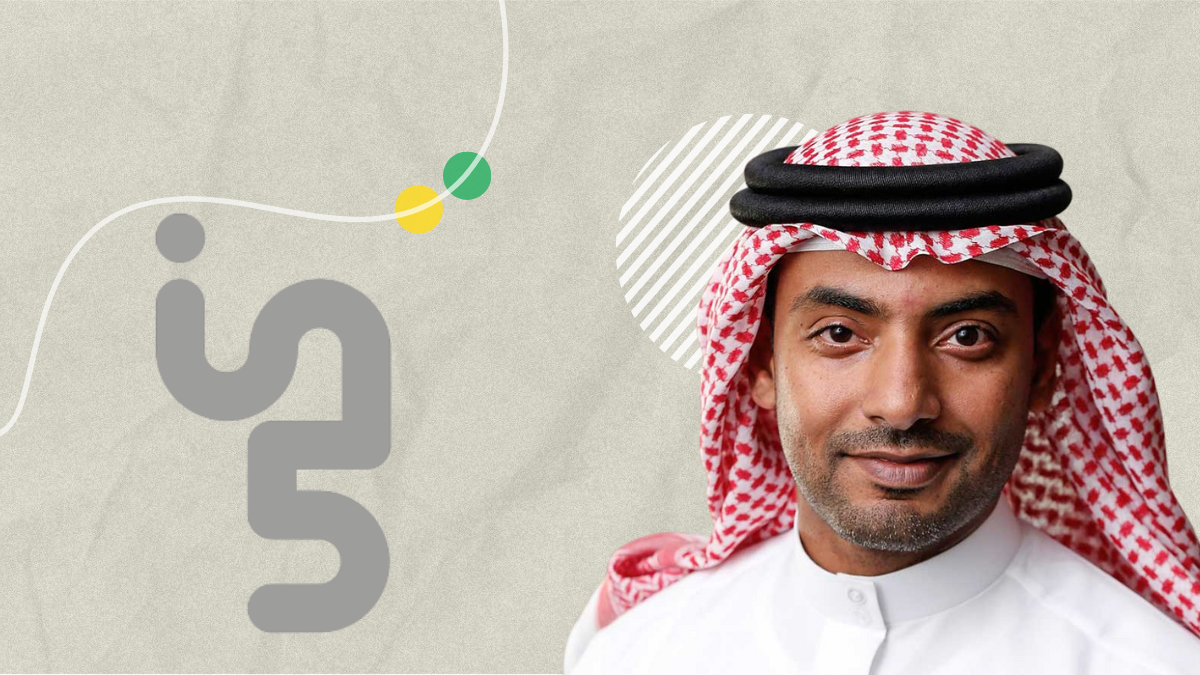
Tarik Chebib, CEO for the Middle East at the company, said the three distinct market events during the quarter, record gold prices, crypto volatility and oil shocks linked to regional conflict, each created a different kind of pressure on decision-making. He emphasised that the platform’s focus remains on helping clients structure and manage their behaviour under those demanding conditions, rather than attempting to predict markets.
Capital.com, founded in 2016, now operates across multiple jurisdictions including the UK, Cyprus, Australia, the UAE and The Bahamas. Its operating model emphasises regulatory compliance and what it describes as deliberate, informed decision-making. Leveraged products, particularly CFDs, remain high risk and are not suitable for all investors, a reminder that’s easy to overlook when volumes are soaring and headlines are dramatic.
If there’s one takeaway from this quarter, it’s that volatility is back in full force. I’m not a fan of chaos for its own sake, but for trading platforms, channelling that chaos into structured activity can be powerful. The real test, as always, is whether traders come out of these swings wiser rather than just busier. Q1 definately gave them plenty to think about.
🚀 Got exciting news to share?
If you're a startup founder, VC, or PR agency with big updates—funding rounds, product launches 📢, or company milestones 🎉 — AraGeek English wants to hear from you!


✉️ Send Us Your Story 👇