 LEAP26
 AI
AI Saudi Arabia
 UAE
UAE Egypt
EgyptCOLABS Expands to Riyadh, Redefining Saudi Arabia’s Startup Ecosystem

3 min
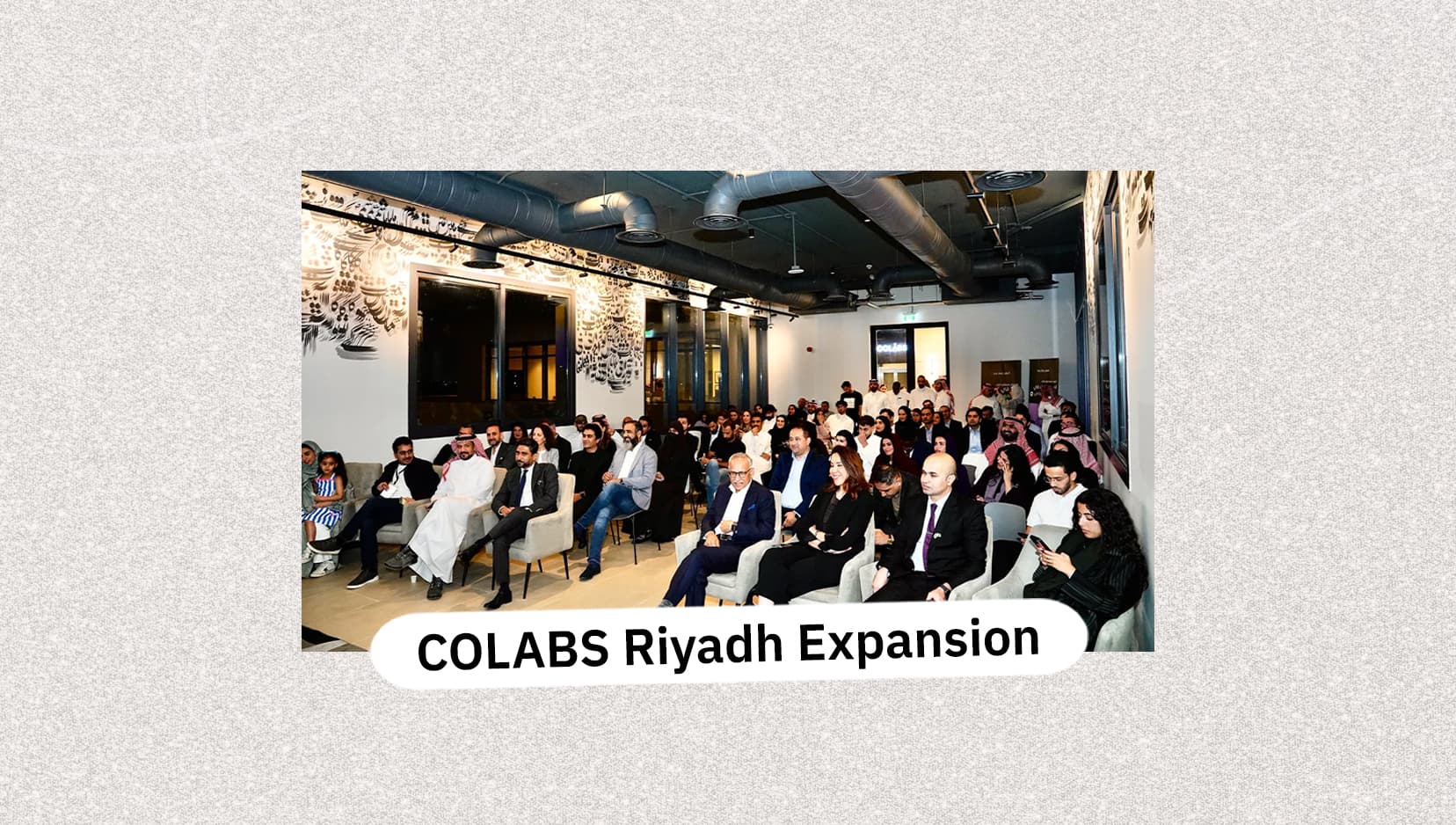
COLABS opens a 4,000 square metre campus in northern Riyadh.
The site hosts 500 members, blending workspace with curated community events.
Saudi’s focus shifts from funding to “execution, talent and environment”.
Backed by $8 million, COLABS expands across MENA and Pakistan.
As competition grows, success will hinge on ecosystems, not square metres.
COLABS is stepping into Saudi Arabia at a time when the kingdom’s startup scene is shifting gears. Funding is still flowing, yes, but increasingly the conversation is about something else: infrastructure. Where do founders actually work? Where do they meet investors? How do these communities take shape in real life, not just on cap tables?
The community-led workspace platform has now opened a 4,000 square metre campus in Al-Narjis, northern Riyadh, marking its official expansion into the Saudi market. The site is designed to host more than 500 members, from early-stage startups to scaleups and even enterprise teams. It blends physical workspace with curated programming and events, aiming to bring founders, operators and investors under one roof.
I’ve seen this shift firsthand across the region. A few years ago, flexible offices were seen as a bit of a luxury, nice to have, but not essential. Now? They’re becoming the backbone of many ecosystems. At Arageek, we often hear from founders who say that access to the right network, sometimes over coffee rather than in a boardroom, can be just as valuable as a funding round. And in a fast-moving market like Saudi, that sort of connection is gold dust.
COLABS’ move is backed by serious funding. The company has raised more than USD 8 million to date from regional investors including Shorooq, Waseel Partners, Zayn VC, Indus Valley Capital and Fatima Gobi Ventures. The capital is intended to support its broader expansion across the Middle East, North Africa and Pakistan.
Currently, COLABS operates over 500,000 square feet across more than 10 locations, serving upwards of 5,000 members and 300 companies. That scale matters. But what’s more interesting, I reckon, is how workspace platforms are no longer behaving like traditional property players. They are positioning themselves as ecosystem builders, connecting dots between founders, capital, talent and even cross-border opportunities.
Saudi Arabia’s startup ecosystem is maturing quickly. As more capital pours in, the bottleneck is starting to move. It’s less about access to funding and more about execution, talent and environment. In other words, the basics need to be done spot on. That’s where platforms like COLABS believe they can step in, not just offering desks and meeting rooms, but structuring how communities form and collaborate.
There’s also a cross-border angle here. COLABS has roots in Pakistan, and its Saudi launch reflects widening ties between the two markets, spanning entrepreneurship, culture and creative industries. On the flip side, the Saudi workspace market is becoming more crowded, and that’s where things could get interesting. Expansion is one thing; differentiation is another.
The big question is how these platforms will stand out as competition heats up. Size alone won’t cut it forever. As the market matures, we’ll likely see a shift from rapid rollouts to sharper specialisation, where success depends less on square metres and more on the strength of the ecosystems inside them.
For founders in Riyadh, though, the immediate impact is clear: more choice, more community, and potentially more opportunity under one roof. And as the region continues to build its startup foundations, that kind of physical and social infrastructure is becoming, well… not just useful, but absolutly essential.
🚀 Got exciting news to share?
If you're a startup founder, VC, or PR agency with big updates—funding rounds, product launches 📢, or company milestones 🎉 — AraGeek English wants to hear from you!

✉️ Send Us Your Story 👇