 LEAP26
 AI
AI Saudi Arabia
 UAE
UAE Egypt
EgyptEgypt Accelerates Fintech Integration with New Regulatory Approvals

4 min
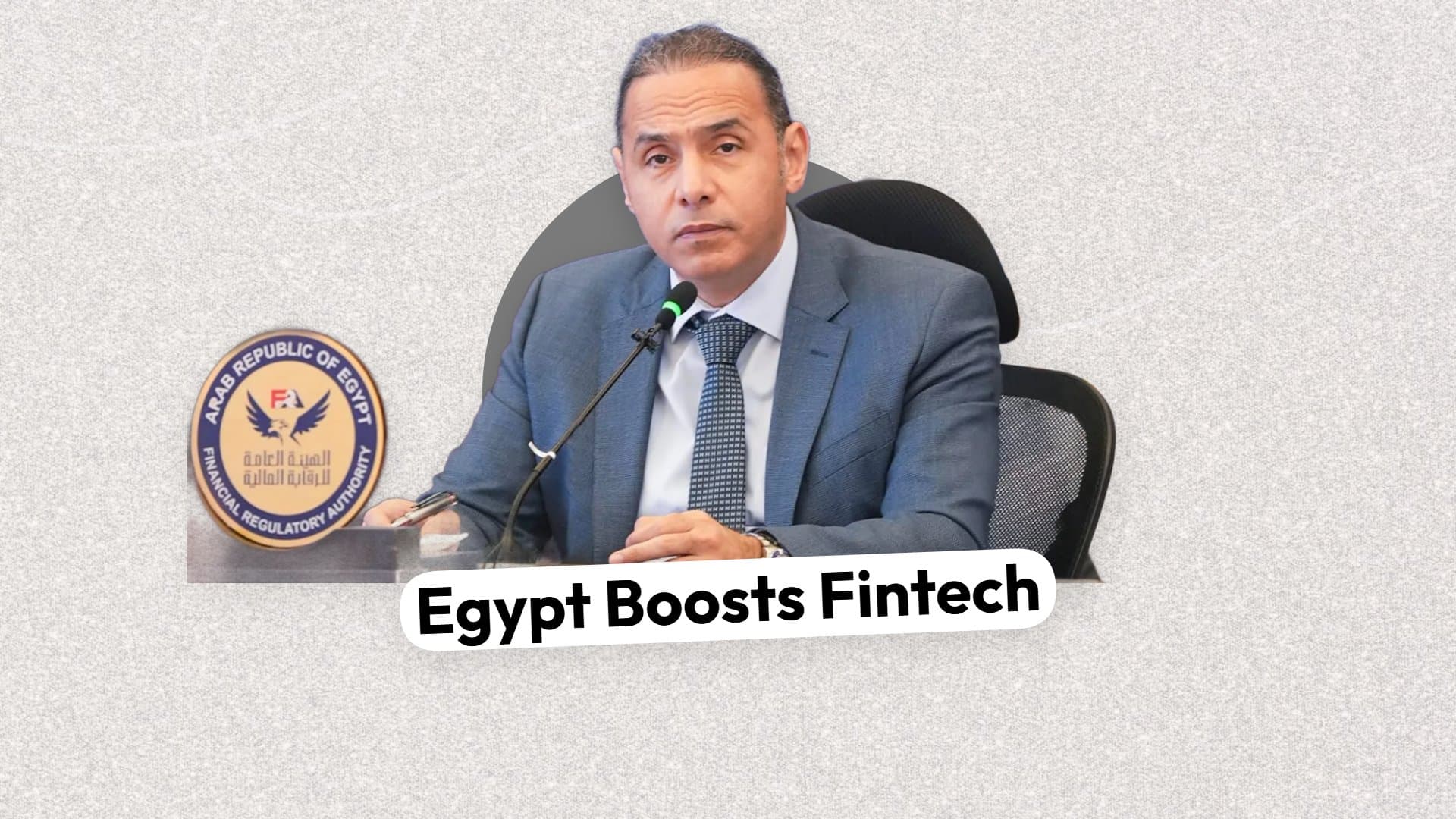
Egypt’s FRA approved six firms for fintech-based non-banking activities.
Fintech is becoming the sector’s “core plumbing”, not a sideline experiment.
Approvals cover SME finance, digital custody, and tech-driven securities trading.
Electronic verification via Vlens aims to make services faster and safer.
A sandbox trial will test remote motor insurance damage assessments.
Egypt is quietly but steadily pushing financial technology deeper into its regulated financial system, and the latest approvals from the Financial Regulatory Authority (FRA) show how serious that direction has become.
The FRA, chaired by Dr Islam Azzam, has granted six companies the green light to carry out non-banking financial activities using fintech applications. It may sound procedural, but in reality it signals something bigger: fintech in Egypt is no longer on the sidelines. It is becoming part of the core plumbing of the financial sector.
Among the approvals is the establishment of Valu to finance small and medium-sized enterprises as a fintech startup. SMEs, as many founders across the region know all too well, often struggle to unlock timely funding. I’ve lost count of how many entrepreneurs told me that securing working capital used to be “a bit of a faff”, especially when paperwork and collateral requirements piled up. Moves like this could, in theory, smooth some of those rough edges.
The FRA also approved CFH and Beltone Holding to provide custody services using fintech systems, enabled through Vlens, a company specialising in electronic verification. Cairo Capital Securities and Al Ahly Pharos for Securities Brokerage and Investment Banking have likewise received approval to conduct securities trading using financial technology, again relying on Vlens for digital verification.
That detail is worth pausing on. Digital verification might not sound glamorous, but it is spot on when it comes to scaling secure online trading and custody services. By embedding electronic identity checks into regulated activities, the system becomes faster and, ideally, less prone to manual error. And believe it or not, these back-end efficiencies are often what separate a promising fintech ecosystem from a frustrating one.
Meanwhile, Orient Insurance has secured preliminary approval to enter the FRA’s regulatory sandbox. The company is developing a project that uses technology to remotely assess and evaluate motor insurance damages. Anyone who has waited days, or weeks, for an insurance inspection will understand the appeal. If remote assessments prove reliable, insurers could cut processing times dramatically. I reckon this is the kind of practical innovation that makes fintech feel real, not just a buzzword.
All approvals were granted by the Committee for the Establishment and Licensing of Companies under the FRA, formed pursuant to Chairman Decision No. 3060 of 2023. The committee oversees the establishment and licensing of firms operating in non-banking financial services, as well as requests to add new activities or mechanisms. It also handles branch openings, relocations, closures, and matters related to liquidation or temporary suspension. In short, it is the gatekeeper making sure innovation stays within regulatory guardrails.
On the flip side, approvals are only the first step. The market will be watching closely to see how these fintech-enabled operations are implemented in practice, whether digital verification systems genuinely speed up trading and custody processes, and whether sandbox projects like Orient Insurance’s remote damage assessment actually deliver efficiencies without compromising accuracy.
For Egypt’s broader financial landscape, this wave of approvals reinforces the growing role of infrastructure players such as Vlens in supporting regulated digital services. Custody, trading and insurance are no longer purely traditional activities; they are gradually being rewired around embedded technology.
For readers at Arageek who track how regulation can either unlock or stifle innovation, this feels like a definatley notable moment. The framework is being expanded, not tightened. Whether that momentum translates into deeper financial inclusion and more agile capital markets will depend on execution. But one thing seems clear: fintech in Egypt is moving from experiment to establishment, and that shift could shape the next chapter of the country’s non-banking financial sector.
🚀 Got exciting news to share?
If you're a startup founder, VC, or PR agency with big updates—funding rounds, product launches 📢, or company milestones 🎉 — AraGeek English wants to hear from you!



✉️ Send Us Your Story 👇