 GITEX Dubai
 Ai Everything
 LEAP26
 AI
AI Saudi Arabia
 UAE
UAE Egypt
EgyptErada Finance and AgriCash Lead Digital Overhaul of Egyptian Agriculture

4 min
Erada Finance partners AgriCash to digitally reshape Egypt’s agricultural finance.
They plan an integrated model linking loans, inputs, advice and markets.
A “Plant Now, Pay Later” scheme offers interest-free instalments.
The aim is supporting small farmers and the wider value chain.
Success hinges on trust, digital literacy and practical uptake on the ground.
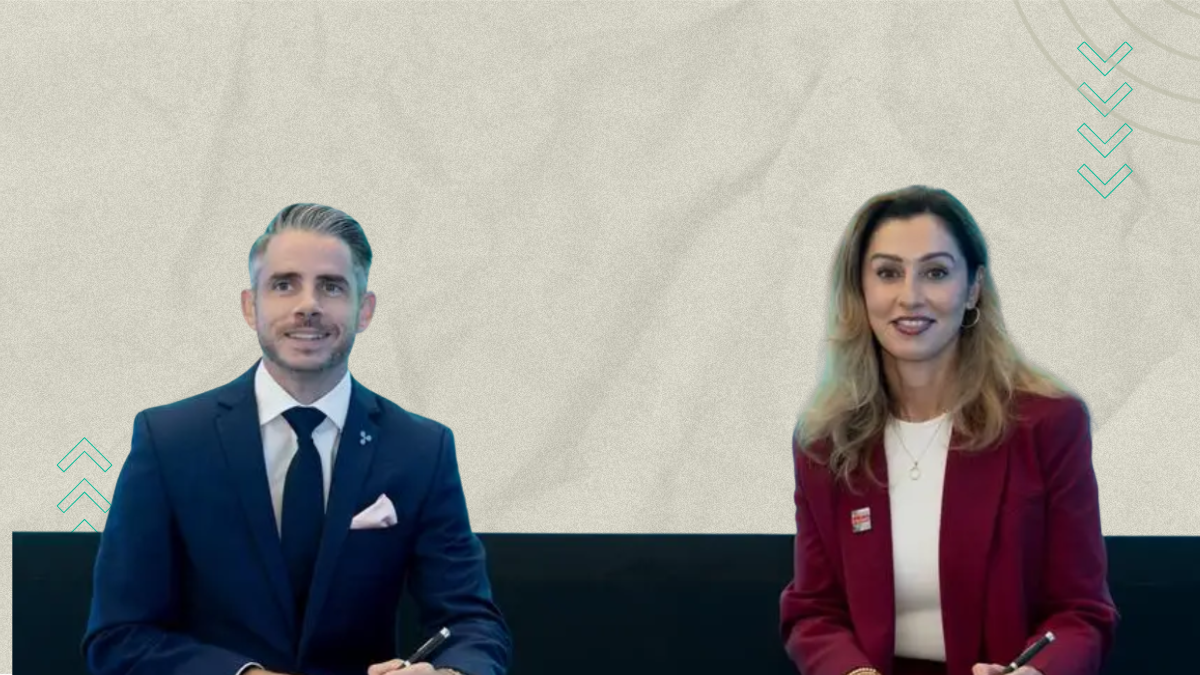
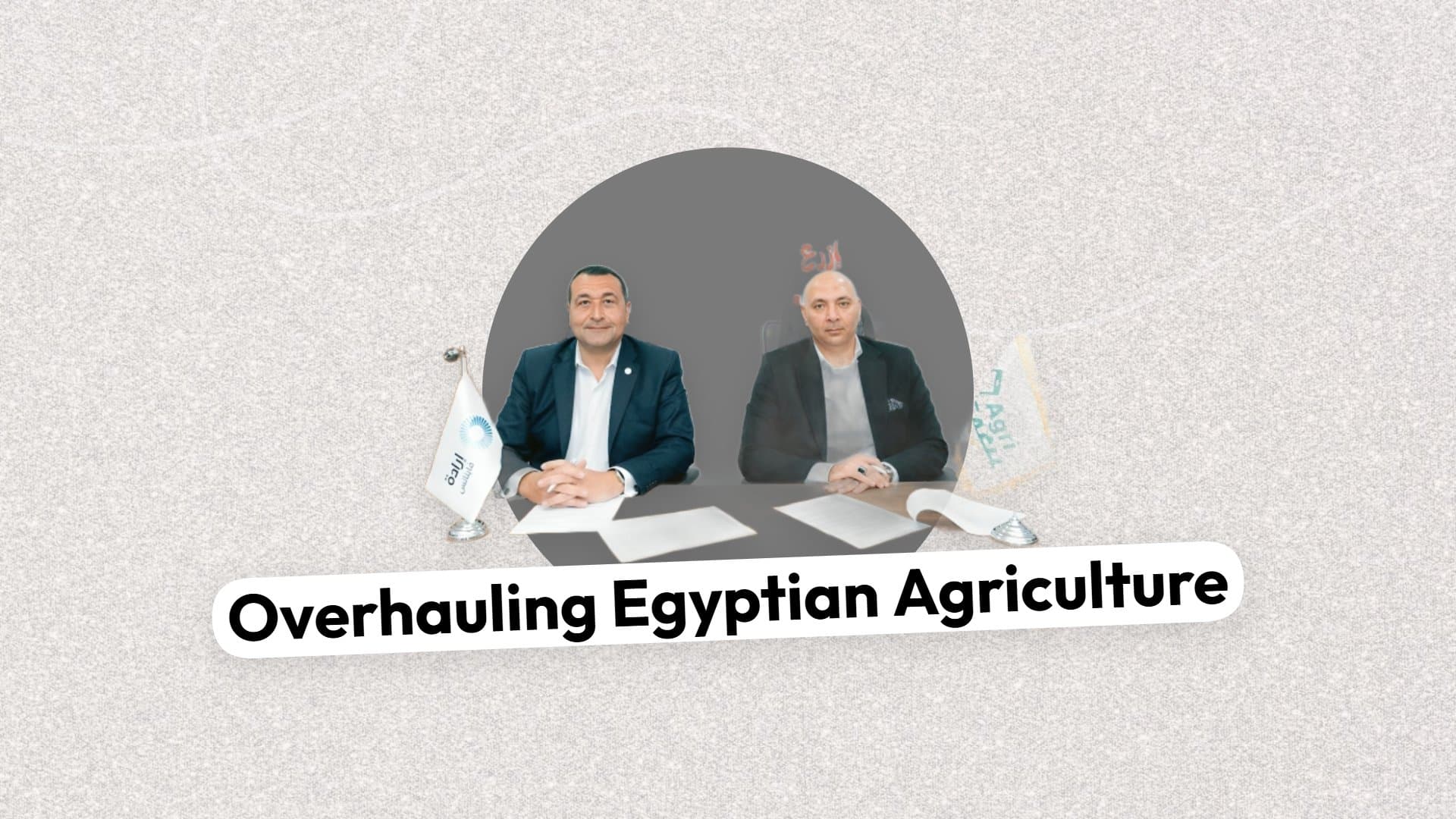
Erada Finance, the Egyptian company known for financing micro, small and medium-sized enterprises, has signed a strategic partnership with agritech player AgriCash in a move aimed at giving the agricultural sector a fresh digital push.
At first glance, it might sound like just another cooperation agreement. But scratch beneath the surface and it is clear both sides are trying to rethink how farmers access money, inputs and support, all in one place.
The agreement centres on building an integrated digital financing model that connects funding with agricultural services inside a single ecosystem. In simple terms, farmers would not just apply for a loan and walk away. They would gain access to production inputs, advisory services and even market linkages through AgriCash’s platform, while Erada Finance provides the tailored funding muscle behind it.
I’ve seen over the years how often farmers struggle with timing. Seeds and fertiliser must be bought upfront, revenues come months later, and traditional bank loans can be, frankly, a bit of a faff. This is where the partnership’s headline offering comes in: a “Plant Now, Pay Later” model. Through AgriCash, farmers can obtain agricultural inputs when they need them and repay over flexible instalments of up to 12 months, interest-free.
That detail is spot on for the realities of farming. Agriculture doesn’t move in monthly salary cycles; it moves in seasons. And believe it or not, misaligned repayment schedules can make or break a small farmer.
The initiative is designed to reach small and mid-sized farmers across different governorates, as well as others involved in agricultural value chains, input suppliers, distributors and SMEs operating in the sector. In other words, this is not just about individual farmers, but about strengthening the full value chain, from sourcing fertilisers to getting crops into the hands of buyers.
AgriCash’s role goes beyond finance. According to the company’s outlined model, the platform also offers agricultural guidance and directs farmers towards reliable production inputs, while helping connect them to markets. That combination of finance plus knowledge is crucial. A farmer may access capital, but without proper advice or stable buyers, the risk remains high.
On the flip side, digital agricultural finance is still in relatively early stages in Egypt. That presents both opportunity and challenge. Scaling such a model requires trust, digital literacy and strong logistics networks. I reckon the real test will be adoption at grassroots level, because technology in agriculture is only as good as its usability in the field, well… I mean, on actual soil.
For Erada Finance, the partnership reflects a broader strategy to expand into productive sectors that have traditionally been underserved by formal financial services, particularly agriculture. The company has been shifting towards more flexible financing solutions that take into account the nature of each economic activity, rather than applying a one-size-fits-all lending structure.
Amr Abou El Azm, CEO and co-founder of Erada Finance, described the partnership as an important step towards advancing innovative financing solutions in the agricultural sector. He noted that agriculture remains one of the main engines of Egypt’s economic growth, which calls for non-traditional financial tools that support agricultural value chains at every stage, from securing inputs to reaching end markets. He also stressed the importance of integrating agricultural and financial technology to address the challenges of conventional financing and rising production costs.
Financial inclusion is another piece of the puzzle. By bringing more farmers and agricultural workers into the formal financial system through digital channels, the partnership aims to widen access to structured financial services that better reflect how farms actually operate. That could have long-term implications for credit histories, insurance products and even export readiness.
For those of us who care about startups that tackle real-economy problems, this kind of collaboration feels more than theoretical. At Arageek, we often speak with founders trying to solve issues deep in the value chain, and agriculture in MENA is definately one of the toughest yet most promising arenas. Capital alone is not enough. Distribution alone is not enough. Put them together, though, and you might just shift the needle.
The Erada–AgriCash partnership sets the foundation for a more integrated agricultural finance model in Egypt, one that blends digital innovation with sector-specific financial expertise. Whether it can scale efficiently remains to be seen. But if it works as intended, it could ease financial pressure on farmers, support more stable production cycles, and contribute to a stronger agricultural sector in the years ahead.
🚀 Got exciting news to share?
If you're a startup founder, VC, or PR agency with big updates—funding rounds, product launches 📢, or company milestones 🎉 — AraGeek English wants to hear from you!


✉️ Send Us Your Story 👇