 Ai Everything
 LEAP26
 AI
AI Saudi Arabia
 UAE
UAE Egypt
EgyptFalak Startups Exits Delta Oil with 25.5x Return, Signalling Ecosystem Maturity

4 min
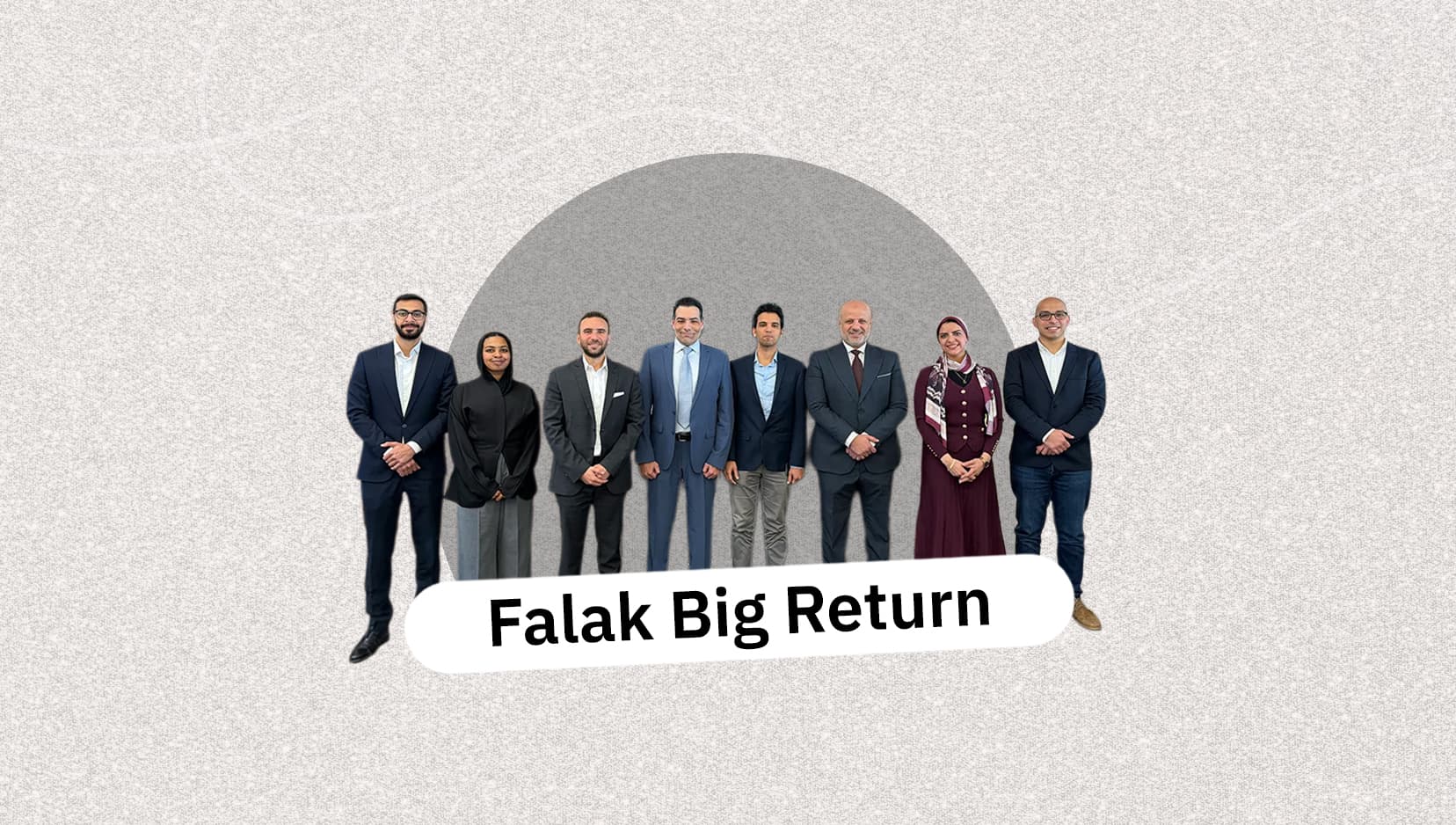
Falak Startups exited Delta Oil with a reported 25,5x return in EGP.
Delta Oil turns discarded cooking oil into biodiesel and recycled jet fuel.
It built a vast collection network across cities and villages.
The deal signals a shift from “funding announcements” to real liquidity events.
Egypt’s ecosystem shows growing maturity, especially in sustainability and energy.
Falak Startups, the government-backed startup support and investment platform in Egypt, has exited Delta Oil with a reported 25.5x return in EGP terms. For many founders watching the ecosystem closely, this is more than a headline number. It is a sign that we are starting to see real, tangible outcomes, not just funding announcements.
Delta Oil operates in the waste management and alternative energy space, focusing on something most of us rarely think about: used cooking oil. Instead of letting it clog drains or go to waste, the company collects and aggregates it from households, restaurants and commercial kitchens, then channels it into biodiesel, recycled jet fuel and other energy applications. Simple idea on paper. Complex in reality.
Egypt’s used cooking oil market is highly fragmented. Supply is scattered across homes, small eateries and food businesses. To tackle this, Delta Oil built a structured collection network spanning more than five cities and hundreds of villages. That network feeds into industrial demand from the biodiesel sector, effectively turning a messy waste stream into a steady input for energy production. It sits at the intersection of waste management and renewable energy, and that positioning is spot on for a market where resource efficiency is becoming critical.
Falak backed the company early on, starting during its accelerator phase. But the support reportedly went beyond capital. The model followed more of a venture-building approach, with operational involvement and long-term backing that helped Delta Oil move from early validation to a scalable structure. The company has now transitioned into the portfolio of Den VC, marking its next phase of growth.
From where I stand, and after years of speaking with founders across the region, exits like this change the conversation. We often celebrate funding rounds, sometimes a bit too loudly. On the flip side, liquidity events are what recycle capital, reward early risk, and give investors the confidence to double down again. That’s the flywheel, and without it, the ecosystem can feel like it is running in circles.
This exit also reflects a broader shift in investor behaviour. There is growing emphasis on unit economics, export potential and clear revenue pathways. Narrative-driven growth alone is no longer enough. I reckon that is a healthy correction. Businesses tied to infrastructure, resource efficiency and embedded demand, like waste-to-energy, tend to have more defensible fundamentals, even if they are harder to build.
And believe it or not, circular economy models in Egypt are slowly moving from buzzword territory into structured execution. Energy and waste are not exactly the glamorous side of tech. But they matter. A lot. Especially in markets where supply chains are fragmented and informality is widespread.
At Arageek, we constantly meet founders who are chuffed to bits about raising their first cheque. It reminds me of the early days of the ecosystem, when capital itself felt like the finish line. Well… I mean, it was never meant to be the finish line. Stories like Delta Oil’s show that scaling and exiting, the unsexy, operational grind, are what truly define maturity.
Delta Oil’s next chapter under Den VC will likely depend on how well it can maintain and deepen its supply network while expanding into larger industrial and potentially export demand. The balancing act between distributed collection and concentrated industrial buyers is not a walk in the park. Still, the foundations seem firmly in place.
One exit does not transform an ecosystem overnight. But it does send a signal. Egypt’s startup scene is beginning to prove that it can move from building to scaling to exit, particularly in sectors tied to sustainability and energy, where demand is structural, not seasonal.
And that shift, if it continues, could definately mark a new phase for venture building in the country.
🚀 Got exciting news to share?
If you're a startup founder, VC, or PR agency with big updates—funding rounds, product launches 📢, or company milestones 🎉 — AraGeek English wants to hear from you!




✉️ Send Us Your Story 👇