 Ai Everything
 LEAP26
 AI
AI Saudi Arabia
 UAE
UAE Egypt
EgyptFarid Academy Earns Egypt’s First “Startup Label” for Edtech Innovation

4 min
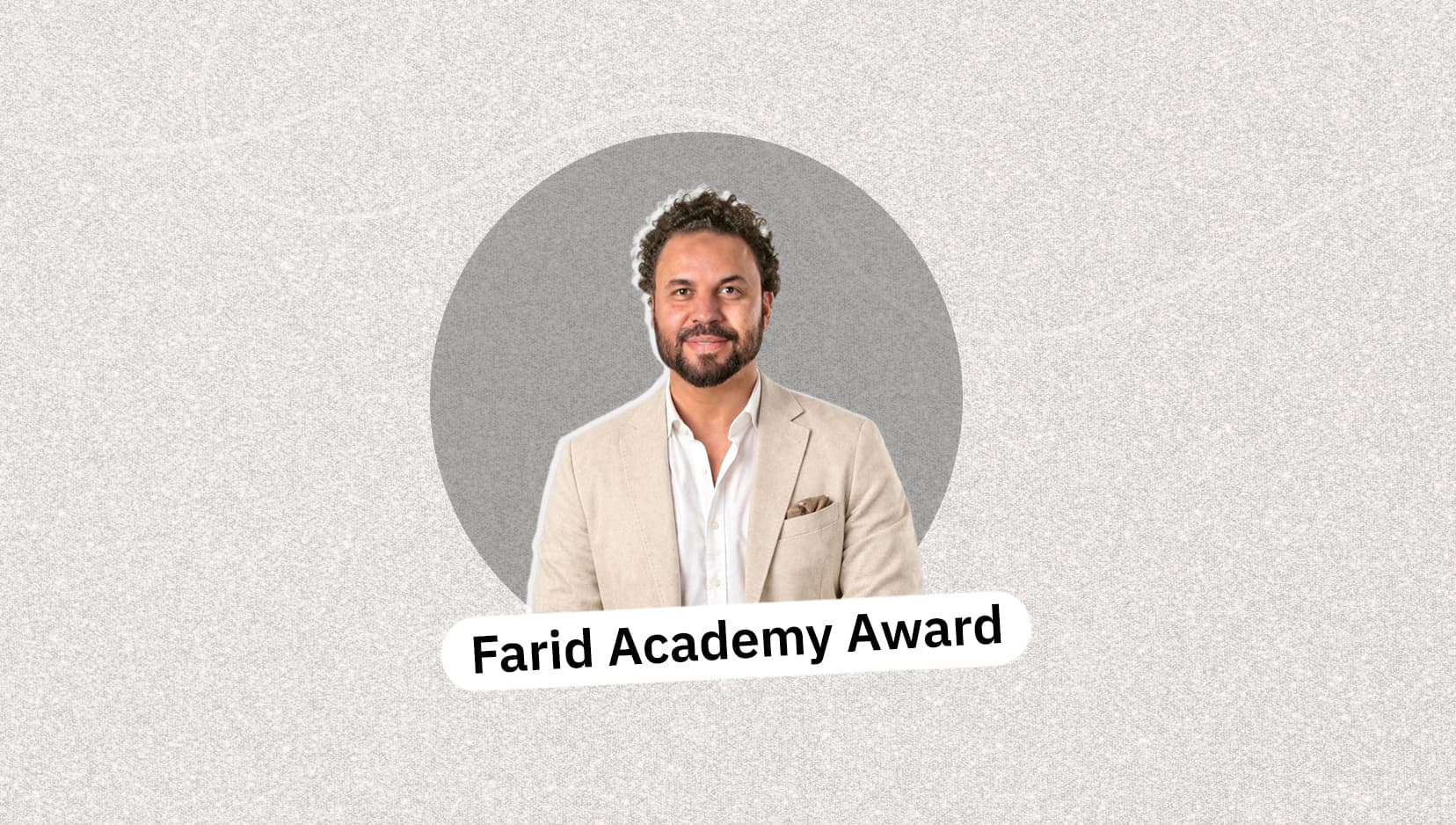
Farid Academy wins Egypt’s first edtech “Startup Label” under the National Startup Charter.
The badge brings regulatory support and easier access to government services.
Founded in 2024, it delivers one-to-one coaching in resilience and mental wellbeing.
It plans a “professional army” of 10,000 certified coaches by 2030.
With a Riyadh office open, it targets 10 million young people regionally.
There’s a quiet shift happening in Egypt’s startup scene, and this time it’s coming from the classrooms, or rather, from the screens where classrooms are slowly being reinvented.
Farid Academy, an Egyptian edtech startup focused on character development and mental wellbeing for young people, has become the first company in its sector to receive the official “Startup Label” under Egypt’s National Startup Charter. The designation was granted by the Micro, Small, and Medium Enterprises Development Agency (MSMEDA) after a fairly rigorous vetting process aligned with the country’s unified definition of what qualifies as a startup.
In simple terms, this label isn’t just a shiny badge. It unlocks regulatory facilitations, smoother access to digital government services, and tailored incentives designed to help high-potential ventures grow faster. For any early-stage founder who has ever dealt with paperwork that’s a bit of a faff, that kind of support can make a world of difference.
Farid Academy was founded in 2024 by Mahmoud Hussein, and it operates in a niche that, frankly, deserves more attention: Social-Emotional Learning (SEL). The platform delivers one-to-one live coaching sessions for children and teenagers aged between 3 and 18, focusing on resilience, life skills, and mental health alongside personal development. In a region where academic performance often takes centre stage, I reckon it’s spot on to see a startup putting equal weight on emotional intelligence.
What makes Farid stand out is its decision to avoid the usual mass-content model. Rather than pushing recorded lessons to thousands at once, it leans into personalised sessions tailored to each child. It’s not the easiest route to scale, well… I mean, one-to-one models rarely are, but the idea is to create lasting psychological and social growth, not just short-term engagement.
And it doesn’t stop there. The company also runs certification programmes for young adults and graduates, training them in what it calls the “Farid Methodology”. The aim is to build a new generation of specialised character development coaches. The startup has even spoken about creating a “professional army” of 10,000 certified coaches by 2030, an ambitious figure by any standard.
Expansion is already underway. Last year, Farid opened a regional office in Riyadh, positioning it as a base for operations in Saudi Arabia. The move forms part of a broader strategy to adapt its educational and psychological content for Gulf markets, while building partnerships with schools and institutions across the GCC. On the flip side, regional scaling in edtech is never straightforward; localising content, navigating regulations, and earning parents’ trust can be complex. But the Saudi presence signals serious intent.
The business model itself is multi-layered. On the consumer side, families can access direct digital coaching. Through partnerships with private schools, Farid integrates its character-building curriculum into formal education settings. It also collaborates with government entities on national youth initiatives, and works alongside NGOs to bring training and support to underserved communities. That mix, B2C, B2B, B2G and even non-profit partnerships, gives it a diversified base that many startups would be chuffed to bits to secure so early.
Speaking about the milestone, founder and CEO Mahmoud Hussein described the Startup Label as a strategic step towards building a leading Arabic-language platform that prepares a more confident and conscious generation. He stressed that mental health and character development should be treated as equally important as academic achievement, a message that likely resonates with many parents across the region.
Looking ahead, the targets are bold. By 2030, Farid aims to reach 10 million children and adolescents across the Arab world. It’s an ambitious roadmap, definately not the modest type. Yet in MENA’s fast-evolving edtech landscape, bold visions are often what separate steady players from real ecosystem shapers.
At Arageek, we’ve seen time and again how startups rooted in social impact can change the conversation around entrepreneurship. Farid’s recognition feels like one of those moments, a signal that innovation today isn’t only about code and capital, but about building stronger, more resilient communities for the long run. And believe it or not, that might be the most scalable idea of all.
🚀 Got exciting news to share?
If you're a startup founder, VC, or PR agency with big updates—funding rounds, product launches 📢, or company milestones 🎉 — AraGeek English wants to hear from you!



✉️ Send Us Your Story 👇