 LEAP26
 AI
AI Saudi Arabia
 UAE
UAE Egypt
EgyptIntella Secures $12.5M Series A to Propel Arabic AI Innovation Forward

4 min
Intella secures $12,5 million Series A funding led by Prosus for Arabic AI innovation.
The Cairo-based startup excels in speech technology, supporting over 25 Arabic dialects.
Funds will boost research, product development, and regional expansion, particularly in Egypt and Saudi Arabia.
Partnerships like Jumia highlight Intella's strength in conversational AI and customer engagement tools.
Intella's revenue is rising, aiming for a sevenfold increase by 2025 with new industry entries.
Intella, a name I've been hearing more and more in the region's startup circles, has just announced a hefty $12.5 million Series A round led by Prosus. You can imagine the excitement among founders and entrepreneurs here in the MENA – funding at this scale, especially for local AI innovation, isn’t exactly a dime a dozen. Alongside Prosus, the round pulled in support from notable players such as 500 Global, Wa’ed Ventures, Hala Ventures, Idrisi Ventures, and even HearstLab—the investment arm of the US-based Hearst Corporation.
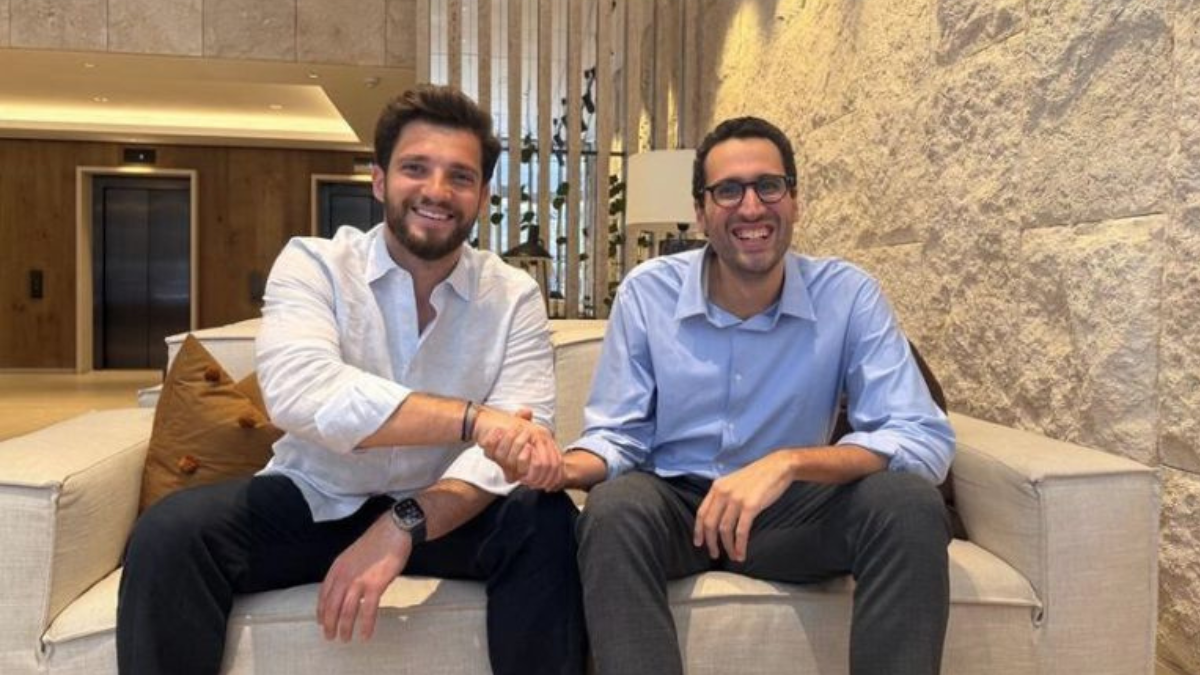
For those not yet in the know, Intella has quickly carved out a reputation as the market leader in Arabic speech technology, especially for its work handling dialects from across the region. Founded back in 2021 by Nour Taher and Omar Mansour, this Cairo-based company is all about addressing a long-standing headache: the sheer variety of Arabic dialects. Modern Standard Arabic may sound glamourous, but in everyday life? Most people never really use it. Each country, sometimes even each city, throws its own dialect into the mix, which makes things quite a bit of a faff for anyone trying to create mainstream AI tools here.
What really put Intella on the map, at least as I see it, is its knack for delivering highly accurate speech-to-text models—nearly 96% accuracy by global standards, which is nothing to sniff at. That said, it’s not just speech-to-text; the company also offers a whole suite of enterprise tools, from analytics to customer engagement, all tailored for over 25 Arabic dialects. With this latest injection of funds, Intella is looking to double down on research and development, while also growing its product line and beefing up its teams in places like Egypt and Saudi Arabia.
Nour Taher, Intella’s co-founder and CEO, put it rather well, saying the goal is to bridge the gap between global AI and the Arabic-speaking world. She credited Prosus’s experience with turbocharging the company’s potential to turn “dark data” from everyday conversations into real business assets—a bit of a holy grail for enterprise these days.
From a personal perspective, and with Arageek’s angle on energising MENA’s startup scene, it’s hard not to root for initiatives that finally put regional languages front and centre. Honestly, all too often, “localized” AI means just bolting Arabic text onto global models… Not exactly spot on. In that sense, Intella’s deep focus on dialectal speech and local needs stands out—at least I reckon so.
Omar Mansour, one of the brains behind Intella’s tech, wasn’t shy about their ambitions either; the plan now is to push further, building conversational agents that can hold proper, multi-turn chats in real Arabic. That could be game-changing for the region’s enterprise customer support.
And believe it or not, Intella’s already flexing its muscles, partnering with Jumia (the big e-commerce player in Africa) to launch Ziila, its digital human voice agent. The idea? Allowing customers to place orders just by speaking—no more fiddling around with keyboards. It’s a bold move, testing the tech in noisy, real-world settings.
Numbers-wise, Intella’s revenue more than doubled in 2024, and they’re on track for sevenfold growth in 2025. The total raised so far stands at just under $17 million, with this new round set to power further entry into the key industries—think finance, telecom, and government, where the need for accurate, dialect-specific AI is, frankly, all too obvious.
Robin Voogd from Prosus summed up the market opportunity as “enormous”, pointing out that Arabic is the fifth most spoken language worldwide but has been underserved by AI until now due to a right pickle of phonetics and lack of data. The new funds will fuel product development, expansion and the race to keep Intella’s models ahead of global competitors.
Of course, nothing in tech is set in stone, and plenty of competition is always chomping at the bit. But watching a MENA startup not just catch up but perhaps even set global benchmarks? Well… that’s the sort of thing that gets us at Arageek chuffed to bits.
🚀 Got exciting news to share?
If you're a startup founder, VC, or PR agency with big updates—funding rounds, product launches 📢, or company milestones 🎉 — AraGeek English wants to hear from you!

✉️ Send Us Your Story 👇