 Ai Everything
 LEAP26
 AI
AI Saudi Arabia
 UAE
UAE Egypt
EgyptLibya Completes First Phase of Port Digitalization Led by Elmeya Soft

3 min
Libya advances digital transformation across five key seaports.
First phase rolled out an “integrated ERP system” unifying finance and operations.
Workflows were streamlined, replacing fragmented paperwork with structured processes.
Second phase targets “smart ports” with real-time data and tighter coordination.
Success could boost efficiency, competitiveness and regional supply chains.
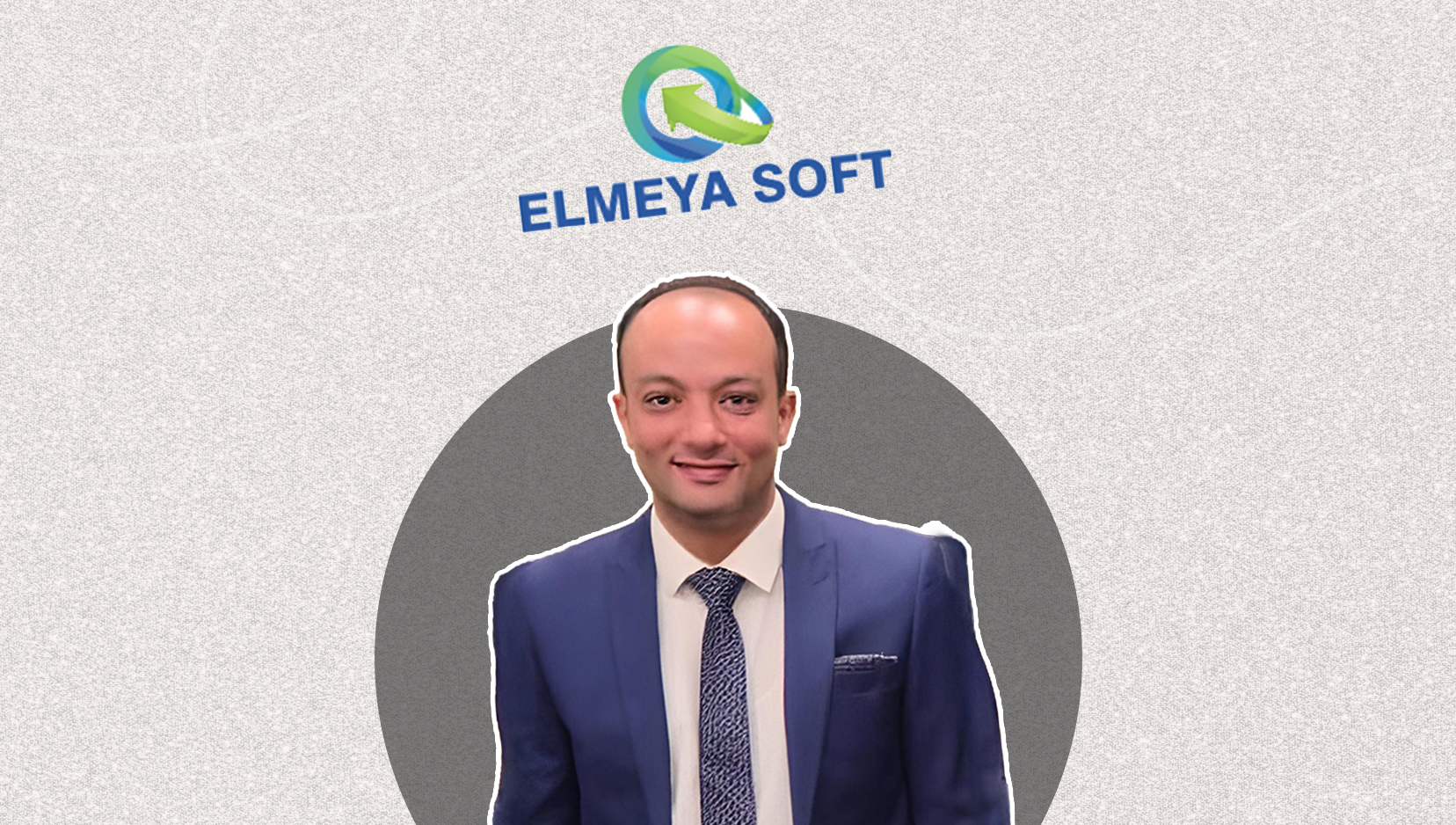
Libya’s push towards digital transformation has taken a tangible step forward, this time through its maritime gateways. Mohab Samy, Chairman of Elmeya Soft, announced the successful completion of the first phase of a digital transformation project carried out in partnership with the Libyan Ports Management Company. The initiative covers five of the country’s key ports: Tripoli Seaport, Benghazi, Al Khoms, Ras Lanuf and Zawiya.
At the heart of the first phase was the rollout of a fully integrated ERP system. In simple terms, that means unifying financial, administrative and operational processes under one digital roof. Procedures were standardised, internal workflows streamlined, and systems aligned across the five ports. It might sound technical, but anyone who has dealt with fragmented port paperwork will know how much of a game changer this can be. A bit of a faff before, perhaps—now far more structured.
The broader goal is clear: modernise operations, boost institutional efficiency and strengthen the digital capabilities of Libya’s port infrastructure. According to the company, the positive results from this initial phase have prompted the Libyan Ports Management to entrust it with a second phase. That next stage will focus on developing advanced port management and operations systems, moving closer to what many call the “smart ports” vision.
And believe it or not, this is not a small ambition. Smart ports rely on interconnected systems, real-time data, and tighter coordination between logistics, administration and maritime operations. In a region where supply chains have faced their fair share of disruption, improving port efficiency can ripple across entire economies.
Elmeya Soft Company brings more than 15 years of experience in Arab markets to the table. Its team of young engineers has worked alongside global technology partners including Microsoft, IBM and Odoo. That mix—local talent with international backing—often proves spot on when it comes to executing complex digital programmes in sensitive sectors.
I’ve often noticed, speaking with founders across the region, that infrastructure projects do not always get the same spotlight as flashy consumer apps. Yet they are the backbone of trade. When ports function better, startups that rely on imports, exports or manufacturing feel the difference straight away. Here at Arageek, we’re always chuffed to bits to see young tech talent involved in projects that carry this kind of economic weight.
On the flip side, the real test will be sustainability. Implementing systems is one thing; ensuring long-term adoption and training staff to use them effectively is another. Well… I mean, digital transformation is never just about software. It’s about people, culture and consistent execution.
Still, the completion of this first phase definately signals momentum. If the second phase delivers on its promise of smarter management systems and enhanced competitiveness, Libya’s main ports could well become a model for similar digital transformation efforts across other Arab countries.
For a sector so vital, progress like this is not just welcome—it’s essential. And for Libya’s young IT engineers, it’s a milestone that speaks volumes about what regional expertise can achieve when given the trust and the tools.
🚀 Got exciting news to share?
If you're a startup founder, VC, or PR agency with big updates—funding rounds, product launches 📢, or company milestones 🎉 — AraGeek English wants to hear from you!

✉️ Send Us Your Story 👇