 LEAP26
 AI
AI Saudi Arabia
 UAE
UAE Egypt
EgyptMIPPIA: Guarding Music Rights in the Age of Artificial Intelligence

4 min
MIPPIA is tackling music rights issues in the AI era with innovative technology.
Their system detects deep musical similarities, not just audio patterns, to identify plagiarism.
The platform handles hybrid compositions, distinguishing influence from coincidence and plagiarism accurately.
With rapid growth, MIPPIA serves over 45,000 musicians from 149 countries.
Expansion plans include Japan and the US, as the company aligns with major industry players.
Can a machine truly tell the difference between inspiration and theft?
At AraGeek, this question is no longer philosophical—it has become legal and cultural.
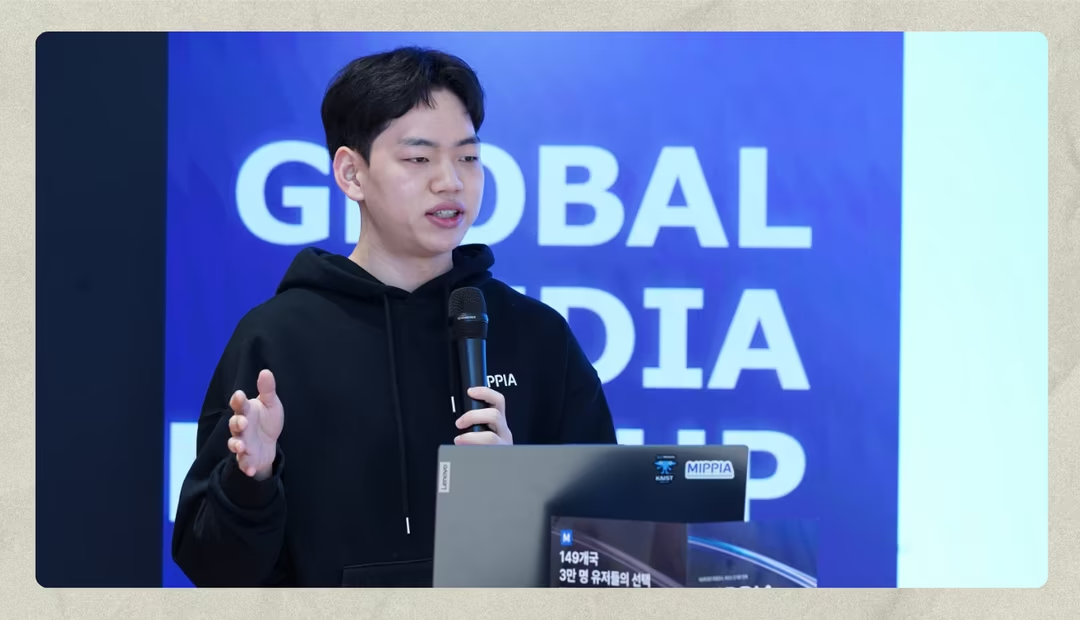
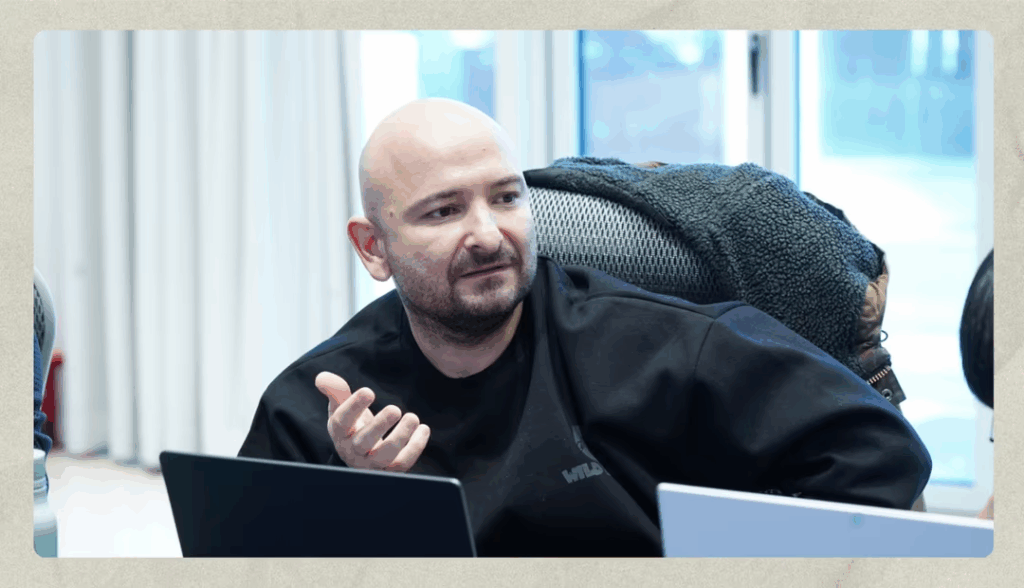
During our participation in the Global Media Meet-up in Seoul, hosted at the offices of Aving News, we met a number of Korean startups alongside international media such as DigiTimes, Innovation & Tech Today, and Vietnam+. One company, however, made us pause longer than most.
Its name is MIPPIA, and its ambition is bold: to become a global reference point for protecting music rights in the era of artificial intelligence.
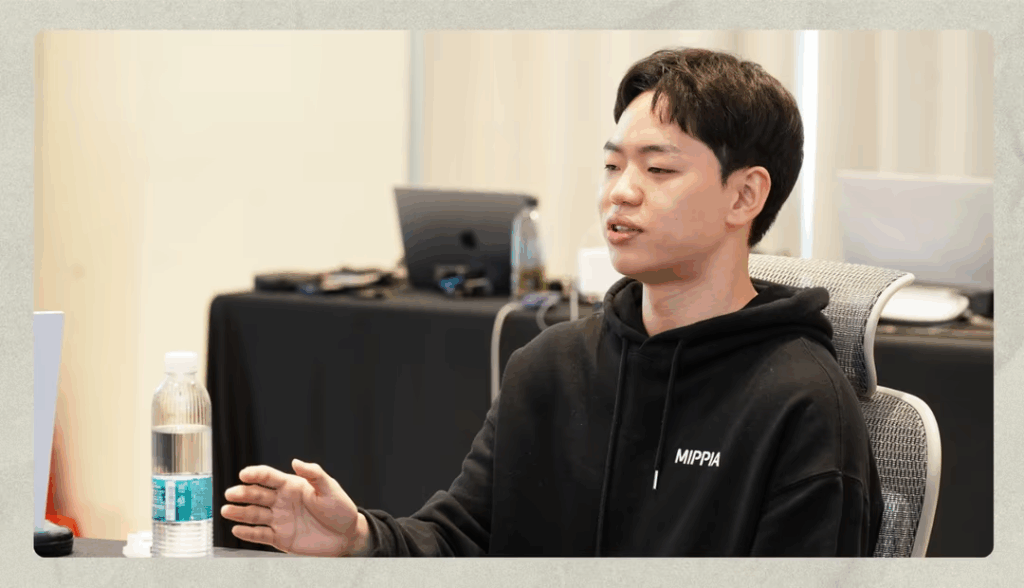
From the first moments of our conversation with Seonghyeon Go, the company’s CTO, it was clear that the issue at hand goes far beyond technology. Melody theft is not new, but AI has turned it into a global epidemic. High-profile artists such as Ed Sheeran, Mariah Carey, and even K-pop groups like IVE have found themselves at the center of legal disputes.
According to Go, projected losses could exceed €1 billion by 2028, with nearly 30 million musicians worldwide facing direct risk.
When AI Becomes Part of the Problem
Within the AraGeek team, we noted a striking contradiction. The same tools that have lowered barriers to creativity—platforms like Suno and Udio—are also complicating the landscape.
Today, anyone can generate a full song in seconds. The result is an overwhelming flood of content and an increasing difficulty in proving ownership. More concerning, copyright offices have begun asking artists to prove that their own work was not generated by AI.
From our perspective, this is a turning point. Musicians are no longer required only to create—they must now defend their work technically. This is where MIPPIA positions itself as a kind of “guardian,” not against AI itself, but against its misuse.
AI That Understands Music, Not Just Sound
What truly differentiates MIPPIA is its approach. Most existing detection tools focus on audio signals, frequencies, and surface-level patterns. MIPPIA aims to understand music the way a composer does: melody, scale, structure, and the relationship between verse and chorus.
Go explained that their system can detect similarities even when tempo, key, or arrangement have been changed. One example shown to us compared a Russian song with a Korean one, identifying a 60% similarity in a melodic line, despite differences in language and production.
Technically, the platform relies on segment transcription, converting music into interpretable layers—notes, instruments, and harmonic structures—which are then analyzed through self-learning models to extract musical meaning. The outcome is not a simple “yes or no,” but a contextual report that distinguishes coincidence, influence, and copying.
From our hands-on testing, what impressed us most was the system’s ability to handle hybrid works. Songs that combine human vocals with AI-generated music—or the reverse—do not confuse the platform. In our view, this is critical, because the future of music will not be binary.
Global Growth and a Bet on International Regulation
MIPPIA has not remained confined to the lab. In just one year, it has attracted more than 45,000 musicians across 149 countries, with an average monthly growth rate of nearly 30%. These numbers reflect a real market need, not just technical curiosity.
The platform offers three usage tiers: a free version for quick checks, a standard subscription for deeper analysis, and an advanced plan for complex cases with direct support. An API is also available for companies, publishers, and music platforms, opening the door to wide industry integration.
On the partnership front, MIPPIA has established a strong presence in Korea through collaborations with YG Plus and Class Music. It has also begun expanding into Japan through partnerships with XING, SubGate, and JASRAC—a strategic move, given that Japan is the world’s second-largest music market, generating over $12 billion in revenue.
The United States is next, with a target of 5 million users by 2027, alongside discussions with platforms such as Splice and Beatport. Europe is also on the roadmap, not only as a market, but as a regulatory arena, with potential collaboration with organizations like CISAC.
Redefining the Rules of the Music Industry
From our perspective, MIPPIA is not merely offering a tool—it is proposing a new framework for how art, law, and technology coexist. In a world where the line between human and machine is increasingly blurred, the answer is not to stop AI, but to discipline it.
At AraGeek, we see MIPPIA as part of a broader, necessary shift: one that acknowledges technological progress while insisting that creative ownership still matters.
And perhaps that is the most important note of all.
🚀 Got exciting news to share?
If you're a startup founder, VC, or PR agency with big updates—funding rounds, product launches 📢, or company milestones 🎉 — AraGeek English wants to hear from you!






✉️ Send Us Your Story 👇