 LEAP26
 AI
AI Saudi Arabia
 UAE
UAE Egypt
EgyptModupay’s Rebrand Signals Intent to Lead in MEA Payment Solutions

3 min
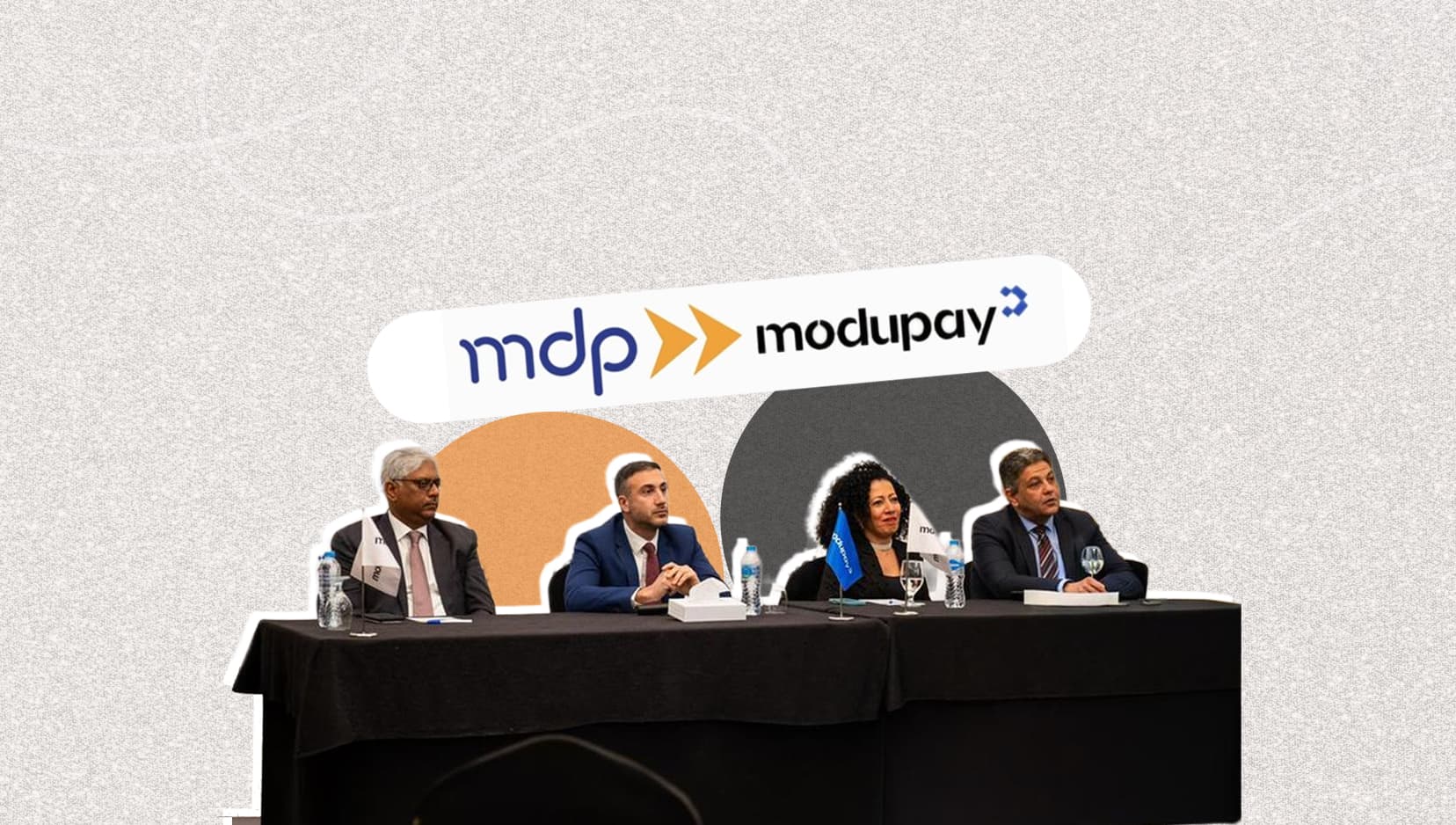
MDP has reintroduced itself as Modupay, a move that feels like “catching up” with reality.
The company now offers a modular, end‑to‑end payments platform across the Middle East and Africa.
Leaders stress this is a “brand evolution, not an operational change”, with scale in over 40 countries.
The flexible model aims to ease compliance headaches for banks, fintechs and telcos.
The rebrand sets higher expectations as the market watches if the promise matches day‑to‑day delivery.
MDP has quietly closed one chapter and opened another, reintroducing itself to the market as Modupay. On paper, it’s a rebrand. In practice, it feels more like catching up with what the company has already become: a modular, end‑to‑end payments platform working with banks, fintechs, telcos and non‑banking financial institutions across the Middle East and Africa. If you’ve been following the payments space around Cairo and beyond, this move is hardly out of the blue.
The thinking behind the name change is pretty straightforward. Over the years, the business has grown far beyond its early identity as a card manufacturer, expanding into issuing, processing, digital payments, plus data and insights, all bundled into a platform institutions can configure and scale as needed. That modular angle matters. I’ve seen more than one startup in the region struggle because their payments stack was rigid and, frankly, a bit of a faff to update. This shift makes Modupay’s positioning spot on for a market that hates being boxed in.
Ahmed Nafie, chief executive of Modupay, has been clear that this is about brand rather than disruption. “This is a brand evolution, not an operational change,” he said, noting that while the company’s services have grown with the industry, its platform, people and commitment to partners have stayed the same. He also pointed to the firm’s scale today, with more than 620 employees and operations in over 40 countries, including on‑the‑ground teams in places like Ghana, Kenya and Libya. That kind of footprint isn’t easy to build, and I reckon it gives the company a genuine edge when regulations and local realities start to bite.
From an Arageek reader’s point of view, the more interesting bit is what this signals for the wider ecosystem. Payments infrastructure doesn’t always get the spotlight, but it’s the plumbing everything else relies on. I still remember chatting with a founder who spent more time wrestling with payment compliance than building his actual product—well… you know how that story usually ends. With a platform pitched as flexible without being complicated, Modupay seems keen to remove some of those headaches.
That said, rebrands can be a double‑edged sword. They look great on slides, but only work if customers feel the difference day to day. Nafie argues the new identity reflects what the company already delivers and where it’s heading, aiming to help institutions launch and grow with confidence using modular building blocks rather than one‑size‑fits‑all tools. On the flip side, expectations are now higher, and the market will definately be watching closely to see if the brand promise keeps pace with reality.
All told, Modupay’s new name feels less like a fresh coat of paint and more like a label finally catching up with the product underneath. For a payments landscape across the Middle East and Africa that’s moving fast and rarely forgiving, that alignment could make all the difference. I’m not a fan of change for change’s sake, but in this case, I’m quietly chuffed to bits to see a regional player owning its evolution and saying, clearly, this is who we are now.
🚀 Got exciting news to share?
If you're a startup founder, VC, or PR agency with big updates—funding rounds, product launches 📢, or company milestones 🎉 — AraGeek English wants to hear from you!

✉️ Send Us Your Story 👇