 Ai Everything
 LEAP26
 AI
AI Saudi Arabia
 UAE
UAE Egypt
EgyptPC Gaming Has Expected Too Much Technical Knowledge for Too Long

4 min
PC gaming traditionally demanded tinkering with settings, favouring enthusiasts over casual players.
As gaming goes mainstream, constant optimisation feels outdated and unnecessarily fiddly.
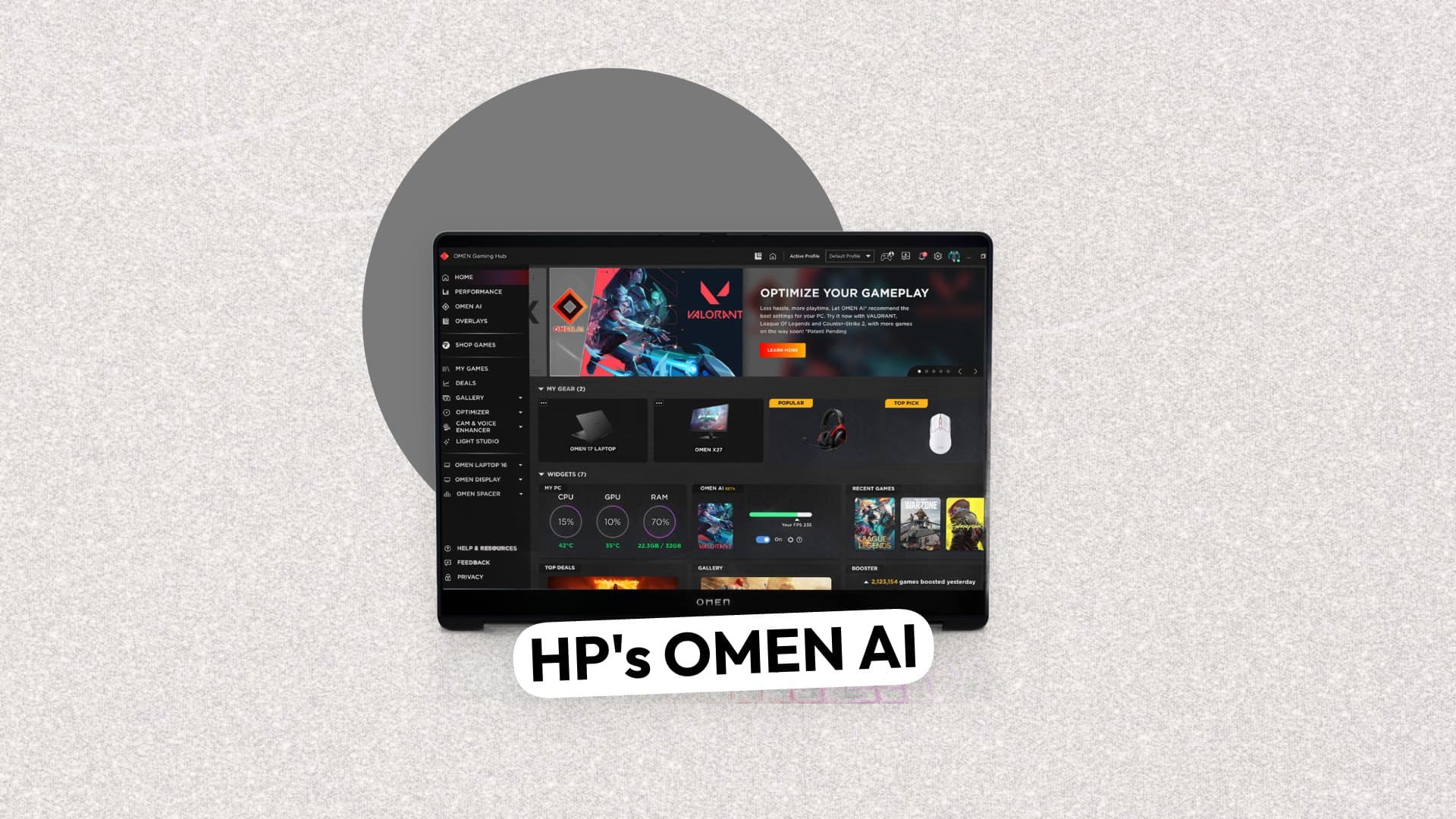
HP’s OMEN AI promises one-click performance tuning across hardware and games.
Machine learning boosts frame rates, with Minecraft seeing up to 50% improvement.
The focus shifts from raw power to making performance effortless and accessible.
Words by Karlin Reid, Consumer Personal Systems Category Manager, HP Inc.
Across the region, gaming has evolved from a niche enthusiast culture into a mainstream entertainment and digital lifestyle category. The market now spans competitive esports players, casual gamers, creators, and first-time PC users, all entering an ecosystem that has historically assumed a high level of technical fluency.
For much of PC gaming’s history, performance optimization has been treated as part of the hobby itself. In order to extract the best possible experience from their hardware, players needed to understand frame rates, thermal limits, GPU settings, power modes, resolution scaling, and benchmark comparisons. That expectation creates a simple divide within the market: those who know how to optimize performance and those who simply accept whatever default settings are delivered.
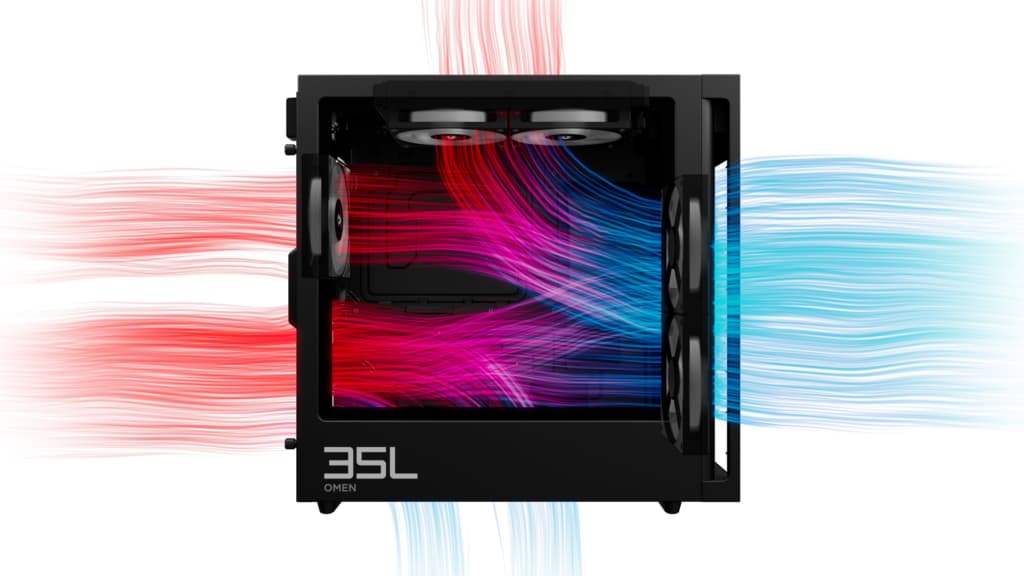
As gaming continues to grow in popularity, that technical know-how is becoming increasingly out of step with the market. Gaming is no longer defined by a narrow enthusiast base. In that context, industry has the opportunity to offer a much better gaming experience than expecting users to spend hours researching optimal settings for each new game.
The Hidden Cost of Manual Optimization
Owning powerful hardware has never automatically translated into the best gaming experience. A player could invest in a high-performance machine and still encounter inconsistent frame rates, input lag, or unnecessary thermal throttling simply because the system was not configured correctly for a specific title.
Moving from one game to another often means starting over. Competitive shooters, open-world titles, and creator-heavy sandbox environments all place different demands on CPU load, GPU rendering, memory allocation, and cooling performance. What works for Roblox may not work for Minecraft, and what delivers visual fidelity in one title may compromise responsiveness in another. The result is that players may spend nearly as much time navigating settings menus as they do playing.
This model made sense when PC gaming was still defined by enthusiasts who enjoyed the process of tweaking as much as the game itself. It makes far less sense in a market that now includes students, young professionals, console converts, and first-time PC gamers who expect performance to be intuitive. In a time where gaming adoption is accelerating across demographics, there is a growing opportunity to make gaming more intuitive and accessible, ensuring every player can get the most out of their system without needing deep technical expertise.
Why Accessibility Is the Real Performance Breakthrough
This is where the significance of HP’s OMEN AI lies. Announced as part of HP’s Imagine 2026 portfolio, the platform is designed to remove the guesswork from performance optimization by automatically tuning hardware, operating system, and in-game settings through a single click. Rather than asking users to interpret benchmarks or manually adjust performance profiles, the system reads the existing hardware environment and configures settings accordingly.
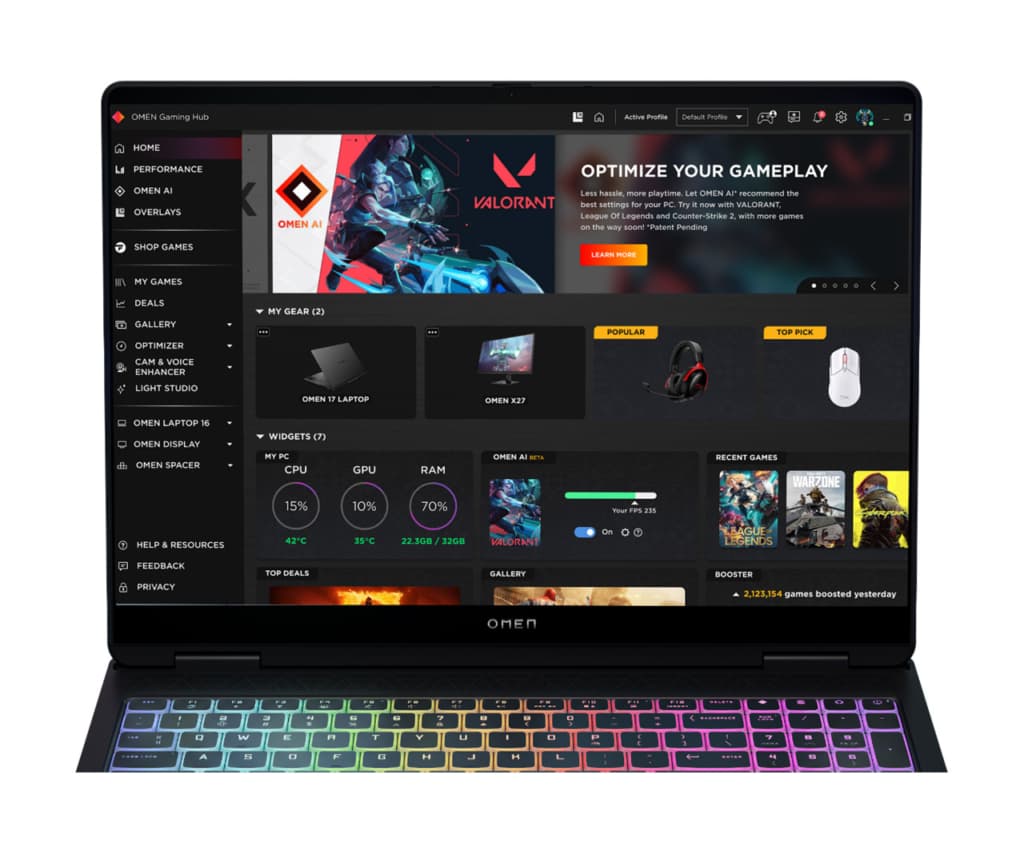
OMEN AI is designed to tune the operating system, hardware, and game settings simultaneously, using machine learning models trained across thousands of gameplay sessions to refine performance over time. In testing, Minecraft players saw up to a 50 per cent improvement in FPS, and support has now expanded to major titles such as Roblox and Marvel Rivals.
What matters here is not simply the addition of another AI layer, but a broader shift in what performance means for a fast-growing gaming market. For years, the industry has equated better gaming with more power: stronger GPUs, higher refresh displays, more memory, and more advanced cooling systems. Those advancements remain critical, particularly for competitive play, but they do not solve the usability problem. The real breakthrough is making existing performance accessible to a wider spectrum of players, regardless of their technical confidence.
A Strategic Shift for a High-Growth Region
This is particularly relevant in the Middle East, where gaming continues to grow as both an economic and cultural force. In this context, simplifying performance is not a niche feature. It is a market requirement. A fast-growing, high-spend gaming population should be able to access the full capability of the hardware they already own, seamlessly.
The next phase of PC gaming growth will be defined less by who builds the most powerful machine and more by who removes the most friction between player intent and system performance. The future of performance lies in making optimization invisible, intuitive, and immediate. That, more than another hardware upgrade, is what will define the next generation of play.
🚀 Got exciting news to share?
If you're a startup founder, VC, or PR agency with big updates—funding rounds, product launches 📢, or company milestones 🎉 — AraGeek English wants to hear from you!






✉️ Send Us Your Story 👇