 LEAP26
 AI
AI Saudi Arabia
 UAE
UAE Egypt
EgyptPMaestro and Safari Group Launch EGP 2 Billion Entertainment Venture in Egypt

4 min
PMaestro and Saudi’s Safari Group plan EGP 2 billion entertainment investment in Egypt.
They will form CEC Egypt Holding to expand Chuck E.
Cheese nationwide.
The model uses SPVs, “institutional-grade” governance, and income-generating asset structures.
Leaders cite Egypt’s “promising market”, young population and improving investment climate.
The project aims to create jobs, boost supply chains, and deepen Arab–Arab cooperation.
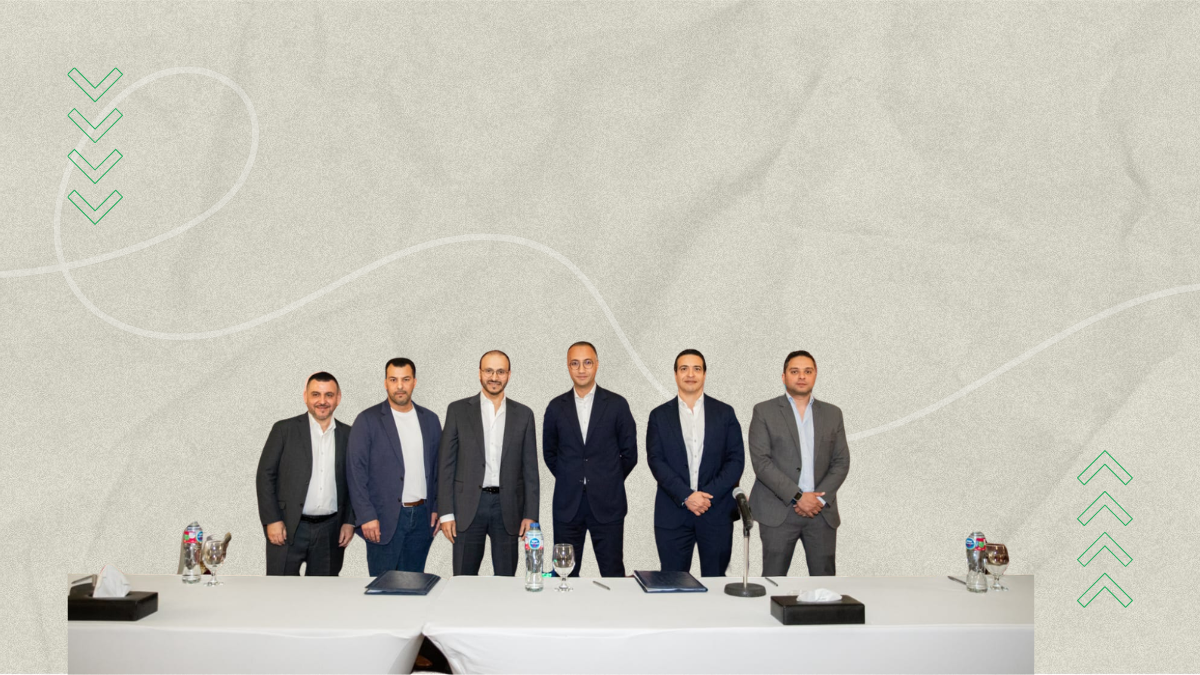
Egypt’s entertainment scene is about to get a serious shake-up. In April 2026, PMaestro announced a strategic partnership with Saudi Arabia’s Safari Group, the company holding the exclusive regional franchise rights for Chuck E. Cheese, to build what they describe as an integrated investment and operating platform in Egypt. The headline figure? Around EGP 2 billion in planned investment.
That’s not small change. And in a market where foreign direct investment is closely watched, this move lands at an interesting moment.
The partnership aims to tap into Egypt’s expanding appetite for value-added services, particularly family entertainment. With a young population and shifting consumer habits, demand for organised, experience-driven venues has been steadily on the rise. I’ve seen this first-hand at startup events across Cairo, founders are not just building fintech apps anymore; they’re looking at lifestyle sectors, at “where people actually spend their weekends”. Entertainment is slipping into that conversation more often than you might think.
Under the agreement, the two sides will establish a joint entity called CEC Egypt Holding. It will oversee franchise operations and manage expansion plans through what is described as a modern corporate governance framework, focused on transparency, structured resource allocation and long-term returns. In plain terms, they want this to run like an institutional-grade investment vehicle, not a side project.
The investment structure itself is layered. Alongside direct capital injections, the model will use Special Purpose Vehicles (SPVs), opening the door for local and regional investors, including funds, to participate. This approach spreads risk and widens ownership, which, on paper at least, looks spot on for an asset-heavy sector like entertainment.
Mohammed Moneir El-Ahwal, Founder and CEO of PMaestro, has said the platform is designed as an income-generating asset model, combining steady operating cash flows with longer-term capital appreciation. He pointed to global institutional investment practices as a reference point, stressing a balance between centralised management and strong on-the-ground operations. Technology, he added, will be a core driver, not just for efficiency but to raise customer experience standards and boost competitiveness.
He also framed the initiative as more than just an expansion of a global brand. The idea is to create an integrated investment platform capable of attracting capital into Egypt’s entertainment sector while stimulating entrepreneurship around it, from supply chains to service providers. The Saudi operating model, which has delivered results in the Kingdom, will be adapted to Egyptian market dynamics rather than copied wholesale.
From Safari Group’s side, CEO Ali Saleh Al Sagri described Egypt as one of the region’s most promising markets, citing its population size, improving infrastructure and government efforts to enhance the investment climate. The plan is to roll out a nationwide network of Chuck E. Cheese branches over the coming years, supporting economic activity across multiple governorates — not just Cairo or the North Coast.
Al Sagri also characterised the project as a working example of Arab–Arab economic cooperation, aimed at deepening cross-border investment flows and regional integration. And believe it or not, that angle matters more than ever. In a region where capital can sometimes move with hesitation, visible partnerships like this help build confidence.
The project is expected to generate hundreds of direct and indirect jobs, strengthen local supply chains and increase the entertainment sector’s contribution to GDP. That said, execution will be everything. Expansion in entertainment can look glamorous on paper but turn into a bit of a faff if footfall projections or location strategies misfire.
Still, I reckon the broader signal here is what counts. A structured, EGP 2 billion platform blending institutional capital, regional franchise expertise and local market adaptation is not the usual “let’s open a few branches and see how it goes” story. It’s more ambitious. And in a country pushing for diversification and private-sector momentum, that ambition might be exactly what’s needed.
For founders watching from the sidelines, especially those building in adjacent sectors like food services, events tech or digital ticketing, this could open doors. Larger entertainment hubs often create ripple effects that are, well… bigger than expected.
If delivered as planned, this investment may well mark a turning point for Egypt’s family entertainment industry. At the very least, it shows that regional players are willing to double down on Egypt’s long-term potntial. And that is something the startup ecosystem will be watching closely.
🚀 Got exciting news to share?
If you're a startup founder, VC, or PR agency with big updates—funding rounds, product launches 📢, or company milestones 🎉 — AraGeek English wants to hear from you!


✉️ Send Us Your Story 👇