 LEAP26
 AI
AI Saudi Arabia
 UAE
UAE Egypt
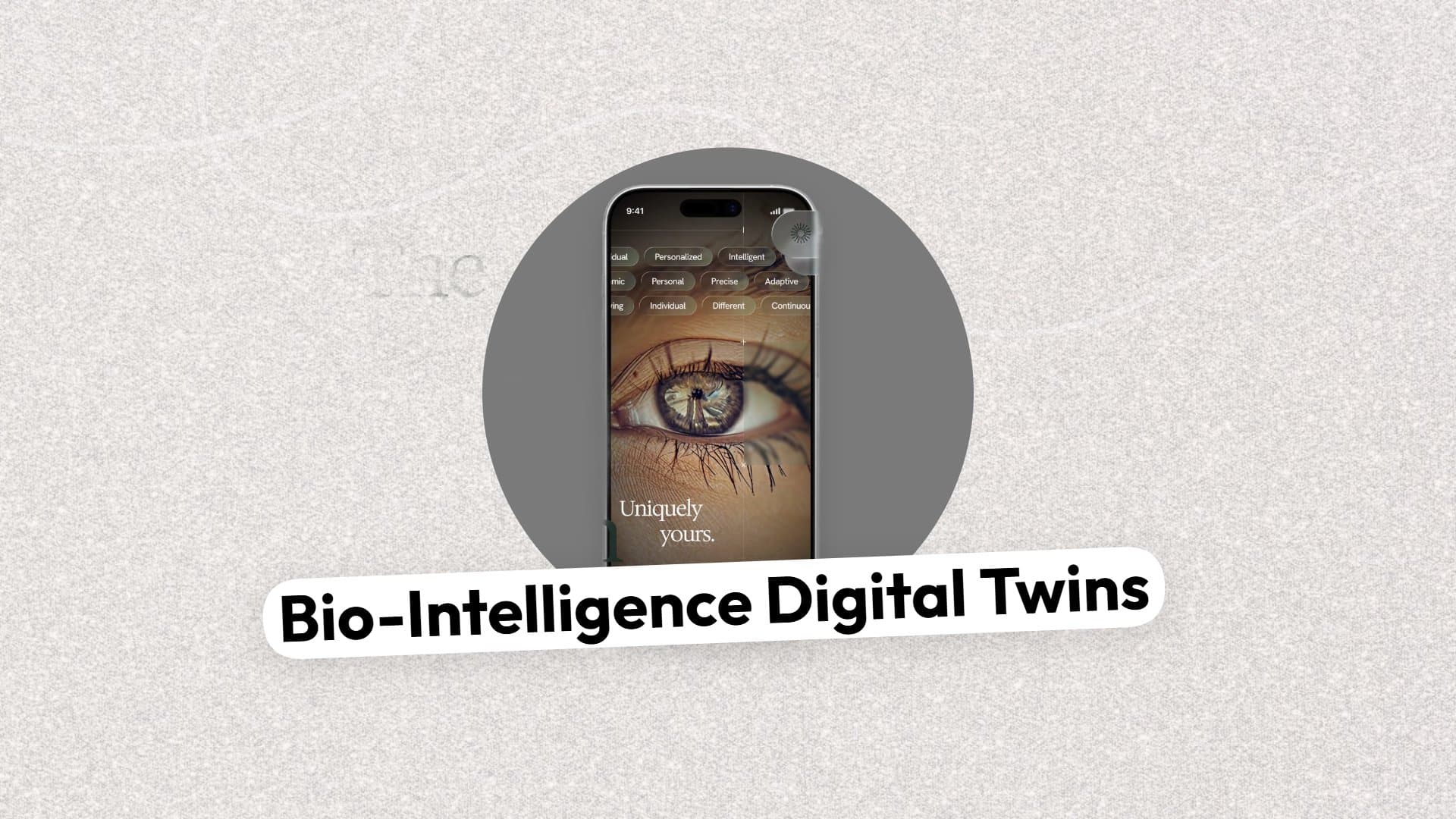
EgyptPrepaire Labs Unveils UAE’s First Biological Intelligence Platform with Digital Twins

4 min
Prepaire Labs unveiled a “Digital Twin” platform to shift care from reactive to predictive.
It integrates genomics, imaging and wearables into a continuously updated health model.
A 50,000-person UAE cohort will build a sovereign, locally relevant dataset.
AI predictions are lab-tested on patient-derived cells, ‘closing the loop’ with biology.
If successful, it could detect disease earlier and guide personalised drug choices.
Abu Dhabi-based healthtech company Prepaire Labs has started showcasing what it calls a biological intelligence platform, with a full UAE launch expected in the coming weeks. The debut took place at Made in the Emirates, and the ambition is anything but small: to move healthcare from reactive treatment to something far more predictive and personal.
At the heart of the platform is a “Digital Twin” model. In simple words, it is a continuously updated digital representation of a person’s biology. The system pulls together genomics, metabolomics, immune profiling, imaging data and even information from wearables, then integrates it all into one evolving model. Instead of looking at isolated test results, clinicians could – in theory – see a living, breathing map of someone’s health.
If you’ve spent any time around startups in the region, you’ll know that healthcare often feels like a bit of a faff. So much data, yet so little of it actually used day to day. Human biology is basically the largest unstructured dataset on Earth. Every second, our bodies generate signals from genes, metabolism and immune responses. But most healthcare systems only capture fragments of that, and usually after symptoms show up.
Prepaire’s approach tries to close that gap. Rather than offering a single diagnostic tool, the company is building infrastructure. Its first phase in the UAE is structured around a 50,000-participant national cohort, split between Emirati citizens and residents. That scale matters. Many global medical datasets lean heavily towards Western populations, which can limit accuracy when applied elsewhere. By building a sovereign dataset rooted in its own population, the UAE aims to sharpen clinical decision-making and strengthen its research position at the same time.
What makes Prepaire’s model stand out is the addition of laboratory validation. AI models can generate predictions, yes, but without testing them in real biological systems, their usefulness can be limited. The company says it validates predictions using patient-derived cells and organoid systems before feeding insights back into clinical workflows. In other words, it attempts to close the loop between data, simulation and real-world biology.
Adam Freer, Managing Director at Prepaire, described the shift in practical terms: “This isn’t a story about a new technology. It’s about detecting cancer before it shows up on a scan, knowing which drug will work for you, not just for the average patient, and giving every clinician a model of the person in front of them that updates as new information arrives. That kind of medicine is now possible because biology has moved from something we observe to something we can engineer.”
The commercial implications are also significant. Earlier detection can lower long-term healthcare costs, while population-scale biological datasets may become strategic assets for pharmaceutical research and drug development. A national biological intelligence layer could also reduce reliance on external platforms, which for many governments is increasingly important.
Yacine Balit, Chief Commercial Officer at Prepaire Labs, pointed to speed as a critical factor. “Healthcare today is limited not just by access to data, but by the time it takes to make that data actionable,” he said. “By reducing lab analysis timelines and continuously updating each individual’s Digital Twin, we’re enabling a model of care that is faster, more precise, and fundamentally proactive.”
I’ve seen many founders in our region promise to “reinvent healthcare”, and honestly, I’m not a fan of big claims without substance. That said, integrating multi-omics data with real lab validation at national scale is not a small experiment. If executed well, it could be spot on for a country investing heavily in genomics and digital infrastructure.
For readers at Arageek who follow the UAE’s innovation push, this fits neatly into a broader picture: sovereign data, AI capability and long-term economic diversification. And believe it or not, biology-as-infrastructure might become as strategic as cloud computing in the next decade.
Of course, deploying a 50,000-person cohort and operationalising continuous modelling will not be easy. Building trust, ensuring data governance and proving clinical impact are serious tasks. But if the system manages to detect disease earlier or guide drug selection more accurately, that would definately shift the conversation from hype to measurable impact.
Prepaire Labs is positioning itself not as a diagnostics startup, but as a foundational layer for next-generation healthcare. Whether this Digital Twin vision becomes mainstream medicine or remains ambitious R&D, well… we’ll know soon enough. For now, it is another sign that the Gulf’s healthtech scene is thinking big, and this time, with cells, code and national datasets all stitched together.
🚀 Got exciting news to share?
If you're a startup founder, VC, or PR agency with big updates—funding rounds, product launches 📢, or company milestones 🎉 — AraGeek English wants to hear from you!





✉️ Send Us Your Story 👇