 LEAP26
 AI
AI Saudi Arabia
 UAE
UAE Egypt
EgyptRay Accelerates EV Charging Network with Strategic JetCharge Acquisition in Dubai

4 min
Ray has acquired JetCharge’s assets, adding 100 Dubai charging locations.
The deal lifts Ray’s UAE network beyond 250 stations.
Fresh seed funding fuels ambitious expansion towards 2,000 sites by 2026.
Dubai’s growing EV market is driving consolidation among charging providers.
Maintaining reliability and service quality will test Ray’s rapid scale-up.
Dubai’s electric vehicle charging race is heating up, and consolidation is already in full swing.
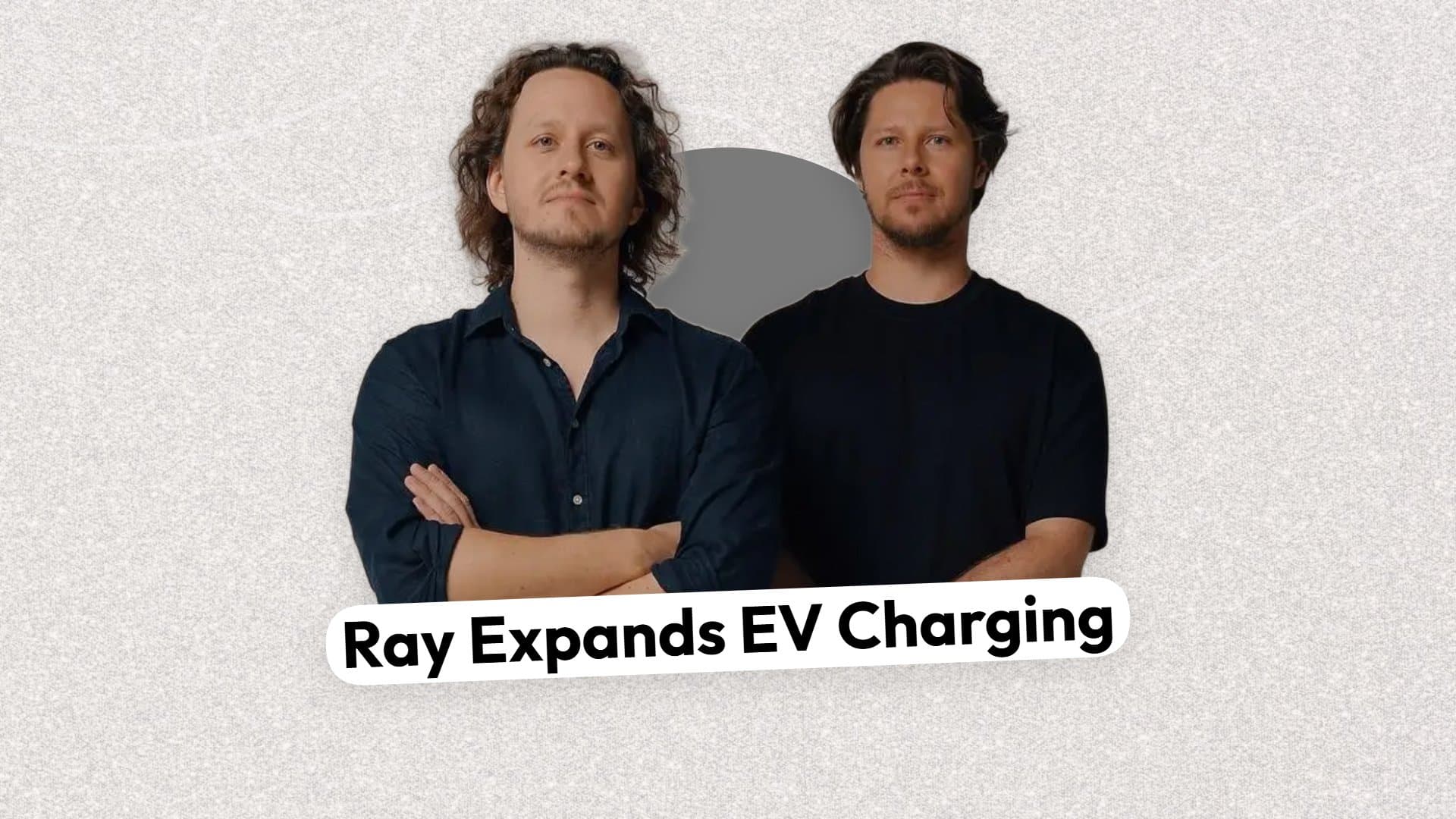
UAE-based EV infrastructure startup Ray has acquired the assets of JetCharge, another charging network operator in Dubai, in a move that instantly expands its footprint across the city. The deal brings more than 100 active charging locations into Ray’s portfolio, alongside JetCharge’s operational contracts and its local team. A full rebrand to Ray is expected within two months.
That may sound like just another acquisition on paper, but in practical terms it’s a shortcut that many founders would envy. Instead of building new sites from scratch, which, frankly, can be a bit of a faff in dense urban areas, Ray gains immediate presence in key neighbourhoods. Accessibility is still a make-or-break factor for EV adoption, and securing high-density locations early is spot on strategy.
With the addition of JetCharge’s infrastructure, Ray’s shared network now exceeds 250 charging stations across the UAE, putting it among Dubai’s largest EV charging providers. The move comes shortly after the company announced a $1.2 million seed round, signalling that it is wasting no time turning fresh capital into physical scale.
Igor Kosolap, co-founder and CEO of Ray, said JetCharge’s network and team provide instant market reach in Dubai. He added that combined with Ray’s technology and its expansion roadmap through 2026, the acquisition lays the groundwork to lead the sector across the region.
There’s also a leadership shift tied to the transaction. Telgat Rakhimgaliyev, formerly general manager of JetCharge UAE, has joined Ray as chief operating officer, bringing operational experience directly into the company’s executive bench. In fast-scaling infrastructure businesses, that kind of know-how can make or break execution.
Ray says it aims to scale to 2,000 charging locations by the end of 2026. That’s an ambitious jump, and not without risk. Rapid infrastructure rollouts often look good in investor decks, but maintaining reliability and service quality while scaling across multiple markets is a different story. I’ve seen startups in mobility grow too quickly and struggle to keep consistency; customers don’t forgive broken chargers easily, you know?
Still, the timing is interesting. The broader Gulf EV market is gaining momentum as governments invest heavily in clean energy, smart city initiatives, and sustainable transport systems. Dubai, in particular, has become one of the region’s most active electric mobility hubs, creating fertile ground for companies building charging hardware, fleet electrification systems, and mobility software.
Ray’s model focuses on shared charging infrastructure, combining physical chargers with payment systems and infrastructure management software designed to boost usage rates, especially in residential and commercial buildings. And believe it or not, utilisation is becoming just as important as sheer charger count. Operators are now competing on software integration and user experience as much as on hardware deployment.
On the flip side, competition is only getting tougher. As EV ownership rises, providers are racing to lock in strategic urban locations and establish operational density. Acquisitions like this one show how the market is maturing, with early players being absorbed rather than trying to go it alone.
From where I sit, and after speaking with many MENA founders navigating capital-heavy sectors, I reckon this sort of consolidation is a healthy sign. It suggests the market is moving beyond experimentation towards scale. At Arageek, we always talk about building ecosystems, not just startups. Moves like this definately nudge the region closer to that reality.
For Ray, the real test now begins. Infrastructure is hard business. Scaling it across borders is harder. But with 250 stations already under its belt and a clear run at 2,000 by 2026, the company has planted its flag firmly in one of the Middle East’s fastest-growing tech verticals.
Whether it can keep the momentum, well… that’s the billion-dirham question.
🚀 Got exciting news to share?
If you're a startup founder, VC, or PR agency with big updates—funding rounds, product launches 📢, or company milestones 🎉 — AraGeek English wants to hear from you!

✉️ Send Us Your Story 👇