 Ai Everything
 LEAP26
 AI
AI Saudi Arabia
 UAE
UAE Egypt
EgyptSentinelOne Emerges as AI Security Innovator in SACR’s Inaugural Evaluation

4 min
SentinelOne named a Leader in SACR’s first “Unified Agentic Defense” evaluation.
The report reviews platforms unifying AI, data and security across systems.
SentinelOne ranked top “Innovator” for vision and real-world execution.
Its AI-native Singularity platform uses “agentic” defence to investigate and respond autonomously.
As AI becomes business-critical, protecting models, data and workflows is now board-level priority.
SentinelOne has picked up a major endorsement in the fast-moving world of AI security, after being named a Leader in Software Analyst Cyber Research’s (SACR) first-ever “Unified Agentic Defense Platforms Majestic Technoscope” evaluation.
The report takes a close look at what happens when AI and data security start to merge into one unified cybersecurity approach. In simple words, it studies platforms that don’t just bolt on AI as a fancy add-on, but properly integrate AI systems, data sources and applications to control and monitor security across the full AI lifecycle. That includes models, agents, and the data and workflows they touch.
SACR assessed 15 vendors, mixing established cyber heavyweights with younger challengers. Companies were ranked across four tiers: Innovators, Trailblazers, Emerging Players and Pioneers. SentinelOne landed in the top category, Innovator, a label reserved for vendors judged strong both in long-term vision and in actual delivery of features and execution.
For a market that’s becoming crowded and, frankly, a bit noisy, that’s no small feat.
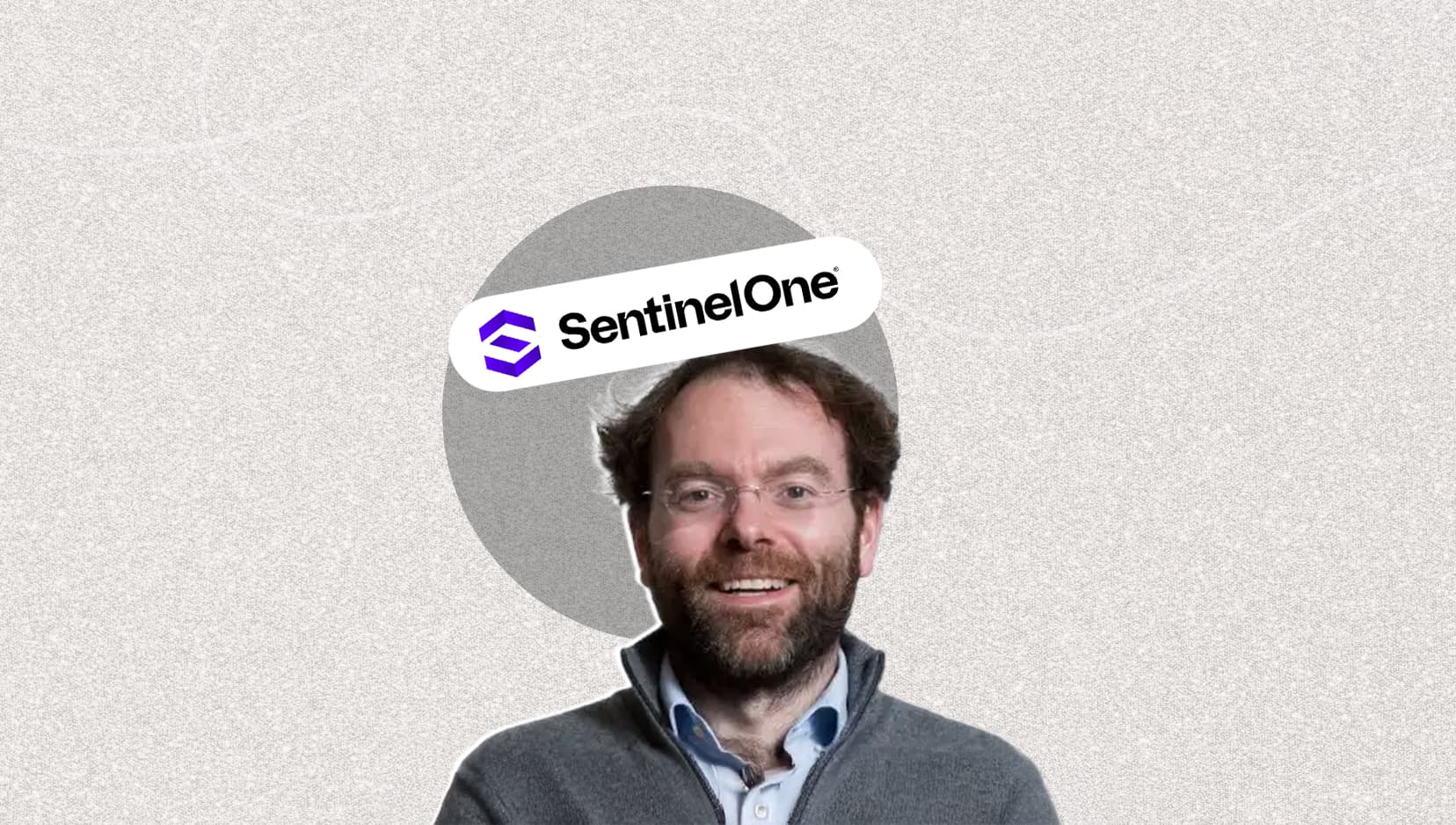
Gregor Stewart, Chief AI Officer at SentinelOne, said the recognition reflects the company’s strategy as businesses grapple with rising AI-related risks. He noted that as AI adoption accelerates, so do the threats that come with it, adding that the company aims to protect organisations across the entire AI lifecycle.
What makes this category interesting, and believe it or not, it’s still new, is the idea of “agentic” defence. These are platforms designed to use AI not just for summarising data, but to reason, investigate and respond autonomously. According to the evaluation, unified agentic defence platforms combine intelligent security controls, visibility and posture management for AI systems in one operational layer.
SentinelOne argues its architecture stands apart because it is built on an AI-native detection and analytics engine. Rather than layering AI summaries on top of third-party SIEM data, which can be a bit of a faff and sometimes shallow, the company operates across unified first-party and third-party telemetry.
Its Singularity Platform, combined with the recently acquired Observo AI data pipeline, ingests and correlates data from endpoints, cloud environments, identity systems, SaaS apps, networks and even external sources. That information feeds into what it calls Purple AI, described as an “agentic security analyst”, which can autonomously investigate and respond using behavioural detection logic.
On the flip side, plenty of vendors are now claiming AI-native credentials. The difference, if we look at the details SACR highlighted, seems to be SentinelOne’s ownership of its detection logic while remaining open to external data. In theory, that balance should strengthen resilience and accuracy, especially as AI-driven security becomes mainstream in modern Security Operations Centres.
Another layer is threat intelligence. The company integrates native threat data and also works with Google Threat Intelligence, giving customers access to global threat research and actor-level insights. This intelligence is automatically correlated with telemetry across endpoints, cloud and identity systems, allowing investigations to move faster and, at least in design, more precisely.
From my years covering cybersecurity startups across MENA, I’ve seen how founders often struggle to explain why their AI layer is not just marketing sparkle. I remember a Riyadh-based security startup telling me how hard it was to convince enterprise buyers that their AI wasn’t just “dashboard beauty”. Evaluations like this, whether you agree with every ranking or not, can help cut through that noise and give buyers a clearer signal. And I reckon that’s something our Arageek readers, many building AI-first products themselves, watch closely.
Of course, industry evaluations are not the final word. They are snapshots, not prophecies. Still, being placed in the top Innovator tier, defined by SACR as vendors strong in both strategic purpose and delivery, positions SentinelOne firmly among the companies shaping how AI security platforms evolve.
As AI systems move from experimentation into core business infrastructure, protecting models, data, and workflows is no longer optional. It’s becoming business-critical, and, in some sectors, definately board-level priority.
For startups and scale-ups across the region that are embedding AI into everything from fintech scoring to logistics optimisation, the message is clear: AI defence is no longer a side feature. It’s spot on central to how companies will run securely in the years ahead.
🚀 Got exciting news to share?
If you're a startup founder, VC, or PR agency with big updates—funding rounds, product launches 📢, or company milestones 🎉 — AraGeek English wants to hear from you!
✉️ Send Us Your Story 👇