 GITEX Dubai
 Ai Everything
 LEAP26
 AI
AI Saudi Arabia
 UAE
UAE Egypt
EgyptTalabat’s Q1 Growth Surges with Expanding Reach Beyond GCC Markets

4 min
Talabat’s first-quarter GMV rose 19 per cent to $2,685 billion.
Revenue climbed 23 per cent, with margins at 39 per cent of GMV.
Non-GCC markets jumped 52 per cent, outpacing Gulf growth.
Profit and EBITDA slipped, yet free cash flow improved.
A $120 million investment plan backs grocery, loyalty and shareholder returns.
Talabat has kicked off 2026 with numbers that, on the surface at least, look solid and steady. The Dubai-listed delivery platform reported gross merchandise value (GMV) of $2.685 billion for the first quarter ending 31 March, up 19 per cent year on year. On a constant currency basis, growth stood at 18 per cent, driven mainly by an expanded customer base across its markets.
Revenue climbed 23 per cent to $1.048 billion, with margins nudging up to 39 per cent of GMV. The uplift was supported in part by growth in its own grocery and other income streams, which rose to 15.2 per cent of GMV compared with 12.6 per cent a year earlier. Subscription fees also doubled their contribution, albeit from a smaller base.
What caught my attention, though, was the regional split. While the GCC markets delivered a healthy 12 per cent GMV increase to $2.122 billion, non-GCC markets – Egypt, Jordan and Iraq – jumped 52 per cent to $563 million. That’s not small change. It suggests Talabat’s bet beyond the Gulf is starting to pay off, and I reckon that’s where some of the more interesting growth stories will come from in the year ahead.
Profitability tells a slightly more nuanced story. Gross profit held flat at $264 million, while adjusted EBITDA slipped 9 per cent year on year to $130 million. Net income fell 18 per cent to $87 million. Margins narrowed accordingly, with adjusted EBITDA at 4.8 per cent of GMV, down from 6.3 per cent last year. That said, free cash flow rose 7 per cent to $104 million, and the cash conversion ratio improved to 81 per cent. For a company in investment mode, that’s not too shabby.
Earlier this year, Talabat outlined a $120 million investment programme for 2026, aimed at scaling its grocery vertical, talabat mart, strengthening its loyalty programme talabat pro, and backing new ventures. In the first quarter alone, it deployed close to $25 million across operating, capital and lease expenses tied to these priorities. Interestingly, planned marketing and pricing investments were somewhat tempered thanks to stronger-than-expected demand and a less aggressive competitive environment. In this sector, that’s a bit of a rare breather.
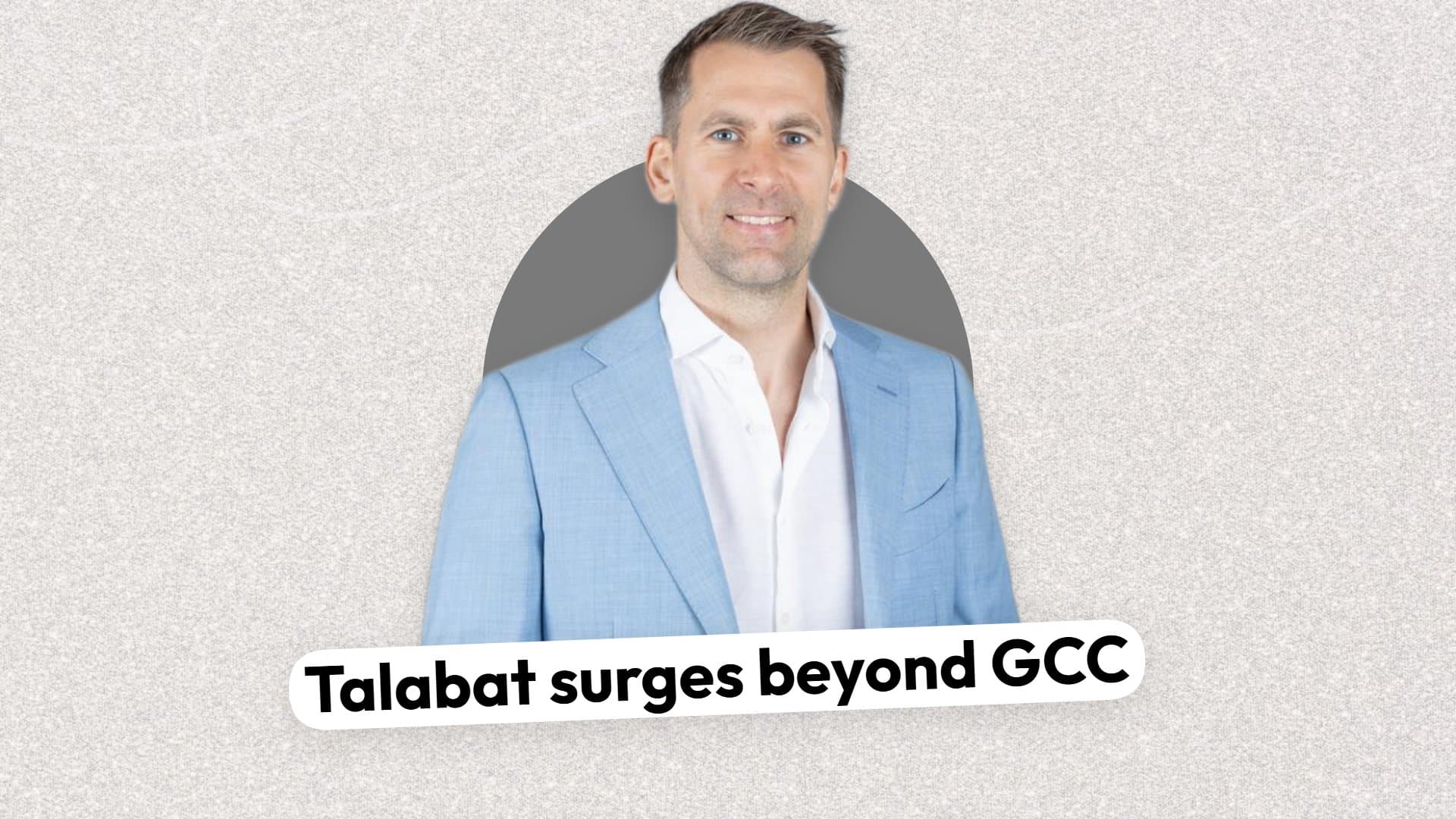
Chief executive Toon Gyssels said the company delivered a strong start to the year, highlighting disciplined execution and the resilience of its multi-vertical model. He noted that operations continued uninterrupted despite a “dynamic environment of heightened uncertainty”, with teams focused on service continuity and safety for riders and partners. He also reaffirmed the group’s commitment to becoming what he described as the “Everyday App” for consumers, while delivering sustainable growth and attractive returns.
On that front, Talabat appears keen to reward shareholders. The company maintains a 90 per cent dividend payout ratio and recently approved a share buyback programme of up to 5 per cent of its issued share capital over two years. Repurchases are expected to begin shortly after the results announcement, with daily disclosures as applicable.
It’s worth noting that the comparative figures are presented on a pro forma basis, assuming the acquisition of InstaShop, effective 25 February 2025, had been completed at the start of that year. This allows for like-for-like comparison, though it does make you pause and dig a little deeper into the underlying trends.
Having watched the region’s delivery arms race over the past decade, I’m not always a fan of growth at any cost. We’ve seen where that can end. But Talabat’s approach here feels more measured, even if margins have taken a temporary knock. The fact that Eid Al-Fitr fell in the first quarter this year, unlike last year, also adds a seasonal twist to the comparison.
Founded in Kuwait in 2004 and now headquartered in Dubai, Talabat serves more than seven and a half million active customers across nine markets. Since its IPO on the Dubai Financial Market in December 2024, the spotlight has been brighter. Expectations, well… they only get higher.
For founders across the MENA region reading on Arageek, there’s something instructive here. Scaling is one thing. Scaling while keeping free cash flow positive and shareholders on side is another game entirely. Talabat’s first quarter shows both the promise and the pressure of building an everyday platform at regional scale. Whether this momentum holds through the year will be the real test, but for now, the trajectory looks definately upward.
🚀 Got exciting news to share?
If you're a startup founder, VC, or PR agency with big updates—funding rounds, product launches 📢, or company milestones 🎉 — AraGeek English wants to hear from you!




✉️ Send Us Your Story 👇