 Ai Everything
 LEAP26
 AI
AI Saudi Arabia
 UAE
UAE Egypt
EgyptUAE’s Omniconn Gains UL 3115 Certification, Elevates AI in Building Management

4 min
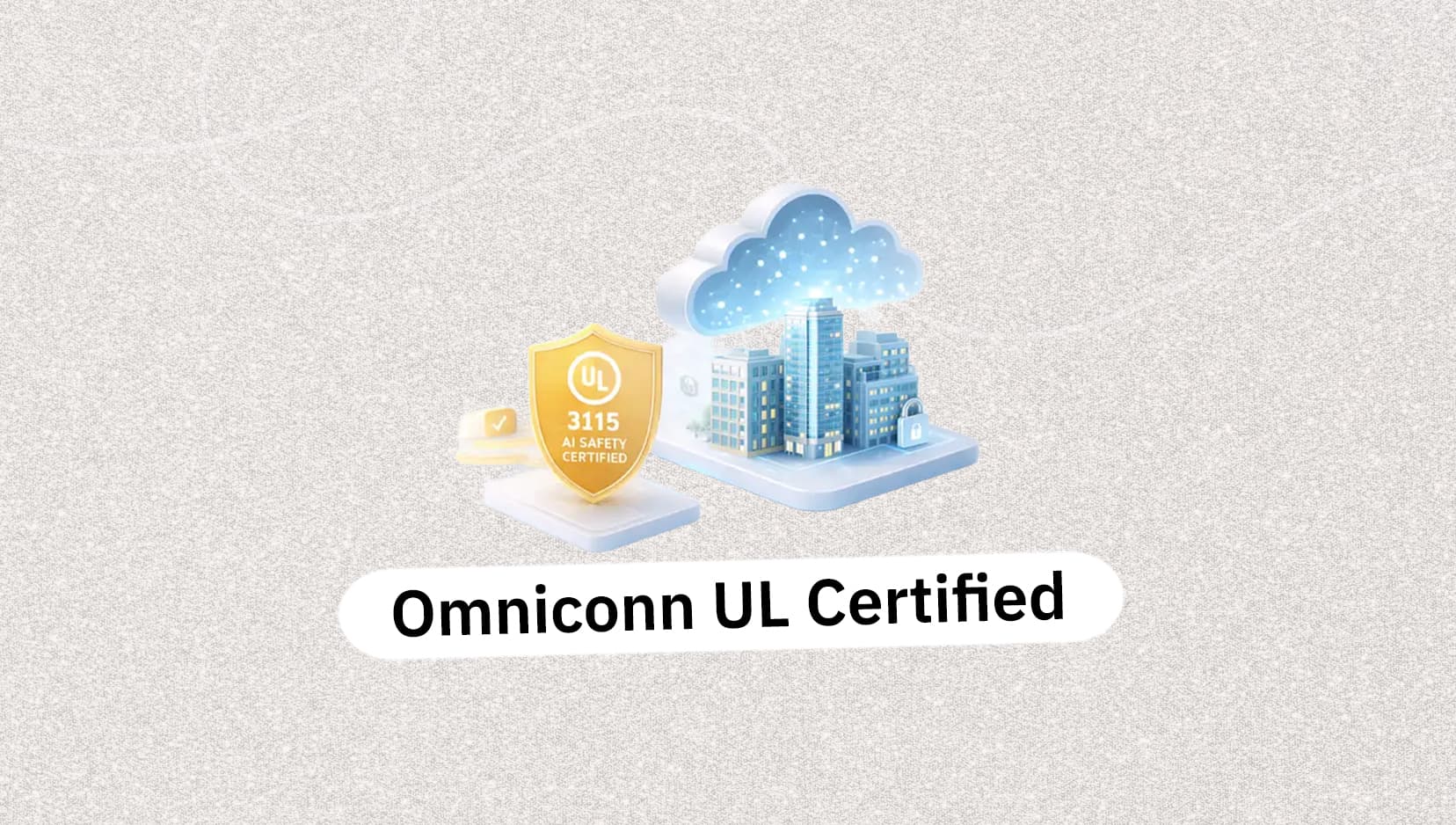
Omniconn becomes first GCC firm to secure UL 3115 certification.
The standard tests AI in “safety-critical environments” for reliability and oversight.
Platform 4,0 links fire, energy and building systems into one dashboard.
Leaders say it strengthens trust, resilience and smart city ambitions.
Tougher standards may raise costs but reward early, compliance-led innovators.
Omniconn, a UAE-based specialist in AI-powered IoT systems, has become the first company in the GCC to secure UL 3115 certification, a recently introduced international standard from UL Solutions aimed at assessing artificial intelligence used in safety-critical environments.
For startups working in deep tech, certifications like these can feel like a bit of a faff. But in sectors where systems manage fire panels, HVAC, and other building infrastructure, they are far from box-ticking exercises. They can be the difference between “interesting technology” and something trusted at scale.
The certification followed a detailed evaluation of Omniconn’s Platform 4.0, its centralised solution that brings together IoT devices, building management systems, and operational technologies into a single dashboard. In simple terms, the platform acts as a control nerve centre for buildings. It connects sensors, fire and life-safety systems, energy management tools and more, allowing operators to monitor activity in real time, run predictive analytics, and automate decisions across sites.
UL 3115 specifically focuses on artificial intelligence and machine learning in high-stakes use cases. The standard looks at whether AI systems operate reliably and predictably, while also ensuring transparency and human oversight throughout their lifecycle. With AI adoption accelerating across industries, governance and risk management are no longer theoretical debates; regulators and enterprises want auditable frameworks. And believe it or not, this is where many promising ventures stumble.
Ibrahim Lari, Chairman of Omniconn, described the milestone as a major step not only for the company but also for AI innovation developed in the UAE. He said the certification validates the trustworthiness of the platform’s AI in supporting mission-critical systems that protect buildings, assets and people. He also pointed to the role of centralised monitoring and intelligent automation across fire, energy and building systems in strengthening the resilience and reliability of infrastructure in the country.
From a regional perspective, this matters. The UAE has been pushing hard on smart city ambitions and digital transformation. Bringing advanced AI into complex building environments is not just about efficiency; it touches security, sustainability and public safety. Omniconn’s platform is designed to integrate with existing infrastructure rather than replace it entirely, transforming raw operational data into actionable insight. That approach, in my view, is spot on. Rip-and-replace strategies can be costly and disruptive, while layered intelligence often delivers quicker wins.
The company says its solution also enhances cybersecurity, reduces downtime and supports optimisation of energy consumption. That ties directly into the UAE’s broader sustainability agenda, including carbon reduction and net-zero targets. For founders in the climate and proptech space reading this on Arageek, there’s a clear lesson here: responsible AI adoption is quickly becoming a competitive advantage, not just a compliance hurdle.
On the flip side, standards like UL 3115 will likely raise the bar for everyone. Meeting rigorous international benchmarks requires investment, documentation and ongoing oversight. It’s definately not a quick sprint. But as global markets grow more cautious about unchecked AI systems, especially in safety-critical settings, companies that move early could find themselves chuffed to bits when larger contracts come knocking.
Omniconn also notes that it has achieved SSRP certification for its AI-driven smart system architecture, positioning itself not just as a regional player but as a company aiming to compete globally. Designed in the UAE but built with international deployment in mind, its Building Operating System provides a secure and scalable command layer across portfolios and cities.
For the GCC startup scene, which is sometimes criticised for favouring flashy consumer apps over hard infrastructure, this development shows another path. Deep tech. Compliance-led innovation. Infrastructure intelligence. Not always glamorous, well… I mean, not the stuff of viral headlines. But it is the kind of progress that quietly builds safer, smarter cities. And that, I reckon, is worth paying attention to.
🚀 Got exciting news to share?
If you're a startup founder, VC, or PR agency with big updates—funding rounds, product launches 📢, or company milestones 🎉 — AraGeek English wants to hear from you!






✉️ Send Us Your Story 👇