 Ai Everything
 LEAP26
 AI
AI Saudi Arabia
 UAE
UAE Egypt
EgyptUDST Unveils AI Nexus One App, Transforming Student Experience at MWC 2025

3 min
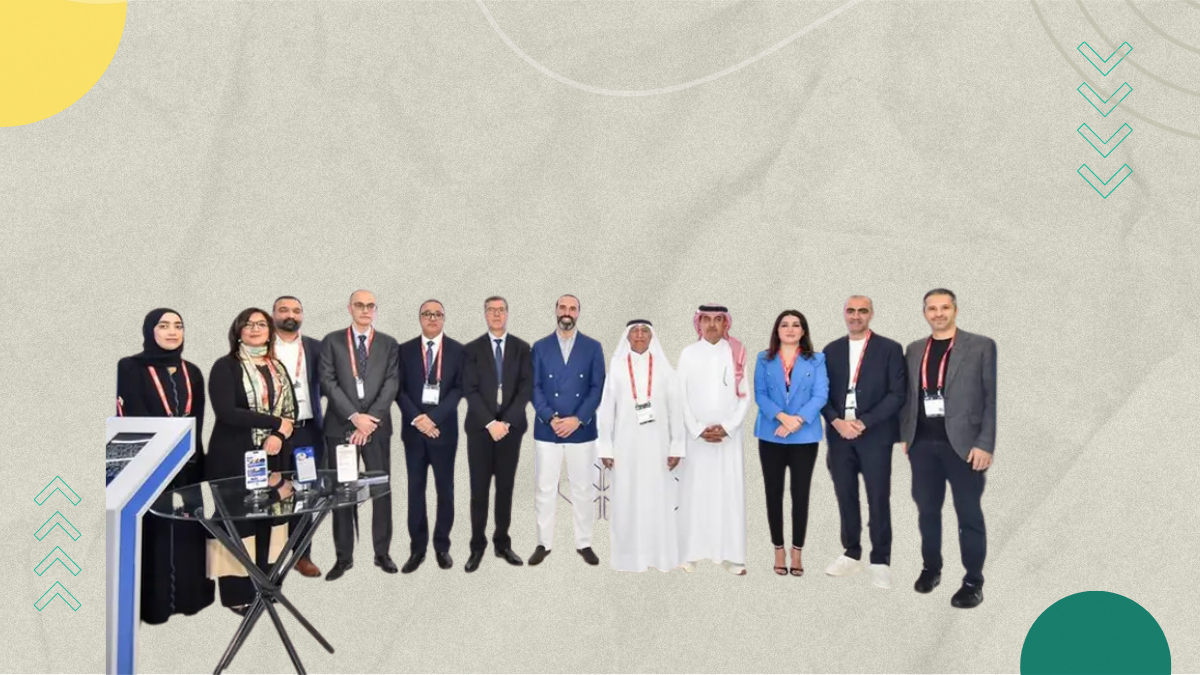
UDST unveiled the AI Nexus One Campus App at MWC 2025 to streamline university life.
Built with Google Cloud tech, it integrates academic, health, and career support into one interface.
The launch aligns with Qatar’s vision for a digitally empowered knowledge-based society by 2030.
This development strengthens Qatar's status as a tech hub, boosting adoption of cloud technologies.
UDST aims to shape graduates who directly contribute to the nation’s economic goals.
UDST has taken a bold step into the future with the reveal of its new AI Nexus One Campus App at MWC 2025, and I have to admit, it caught my attention straight away. At Arageek, we’re always chatting with founders and students who say keeping track of university life can be a bit of a faff, so seeing a university try to streamline that whole jungle of systems felt spot on.
The app is being positioned as a full digital companion rather than just another portal. It’s built with Google Cloud tech, including Gemini Enterprise, Vertex AI and Apigee, and comes under Qatar’s national framework agreement with the Ministry of Communications and Information Technology. The idea is to fuse everything—from academic planning to health and wellness and even career support—into one personalised interface. I reckon students who are juggling deadlines and part-time work will appreciate something that actually anticipates what they need instead of just showing static timetables.
UDST’s president, Dr. Salem Al‑Naemi, framed the launch as a milestone in the university’s push toward a more “digitally empowered” education model. He highlighted how the project ties into Qatar’s Digital Strategy and the wider ambition to build a knowledge-based society by 2030. And believe it or not, he stressed that this isn’t just about automation but about making digital spaces feel more human. I’ve heard similar sentiments from startup teams working with AI across the region—they all say the trick is making tech feel less like admin and more like support.
Google Cloud’s regional general manager Ghassan Kosta also weighed in, noting that the partnership shows how generative AI can reshape campus life. According to him, the app goes beyond routine digitalisation to create an “anticipatory” student experience. On the flip side, there’s always the challenge of ensuring these systems don’t overwhelm users with too many features, but that’s a balance many institutions are still figuring out.
For Qatar, the project strengthens its positioning as a rising tech hub. The MCIT framework agreement seems to be pushing several government and semi-government bodies toward quicker adoption of cloud technologies, and UDST is clearly leaning into that momentum. When I visited a student tech fair in Doha last year, the appetite for AI tools was already loud and clear… well, loud at least, and this feels like a natural progression.
UDST itself has grown quickly since being formally established in 2022. With five colleges, more than 70 programmes and a strong focus on applied education, it’s trying to shape graduates who can feed directly into the country’s economic goals. A smart campus app fits neatly into that mission, even if adoption might be a bit slow at the begining, as always happens with new tech on campus.
All in all, the AI Nexus One Campus App shows how higher education in the region is shifting. If it works as intended, it could become a model for other institutions hoping to modernise without making things overly complicated for students.
🚀 Got exciting news to share?
If you're a startup founder, VC, or PR agency with big updates—funding rounds, product launches 📢, or company milestones 🎉 — AraGeek English wants to hear from you!



✉️ Send Us Your Story 👇