 LEAP26
 AI
AI Saudi Arabia
 UAE
UAE Egypt
EgyptVisa Reports 50% Surge in Card Spending Across Egypt During Ramadan

4 min
Visa premium card spending in Egypt jumped 50% year-on-year during Ramadan and Eid.
Inbound travel rose 35%, while outbound spending climbed 25% with last-minute bookings.
Pre-Ramadan grocery spending increased 25%, with “organised chaos” in supermarkets.
Late-night transactions surged 25%, making post-Iftar hours prime trading time.
Eid brought a 15% spending rise, with retail and apparel up 30%.
Ramadan has always been a season of movement in Egypt. Shops stay open late, families gather, and spending patterns shift almost overnight. This year was no different, in fact, the numbers suggest it was bigger than usual.
New data from Visa’s Consulting & Analytics Retail Spend Monitor shows that spending on Visa premium consumer cards in Egypt jumped by around 50% year-on-year during the Ramadan and Eid Al-Fitr period. That rise was driven by a mix of travel, retail and food-related purchases, painting a picture of consumers who were both hosting and heading off.
Let’s start with travel. Spending by international visitors using Visa premium cards in Egypt climbed 35% over the same period, with travellers from the US, UK and France contributing strongly to that uptick. On the flip side, outbound travel from Egypt also grew. International spending on Visa premium cards rose by about 25%, and more than half of trips, 55%, were booked less than a month before departure. Destinations such as Saudi Arabia, France and Germany saw spending surge by 55%. It seems spontaneity is no longer a bit of a faff but almost the norm.
At home, there was the usual pre-Ramadan rush. In the week leading up to the holy month (13–18 February), food and grocery spending increased roughly 25% compared with the previous week. If you’ve ever walked into a Cairo supermarket a few days before Ramadan, you’ll know it’s organised chaos… trolleys piled high, queues stretching down the aisle. I’ve seen founders building retail startups prepare months in advance for this surge, because getting the timing spot on can make or break quarterly results.
During Ramadan itself, spending habits shifted in different ways. Retail accounted for about 10% of in-store transactions, while food and dining made up 30%. Notably, more spending happened late in the evening, after Iftar. Transactions between 10pm and midnight rose by 25% compared to non-Ramadan weeks. Believe it or not, those late-night hours are becoming prime time for merchants.
Then came Eid Al-Fitr, and with it, another spike. Total spending during the Eid period (16–19 March) was up 15% compared to the preceding days. Food and quick-service restaurants saw a 10% increase, while retail and apparel spending surged by 30%. It’s the classic festive effect, but the scale this year definately stands out.
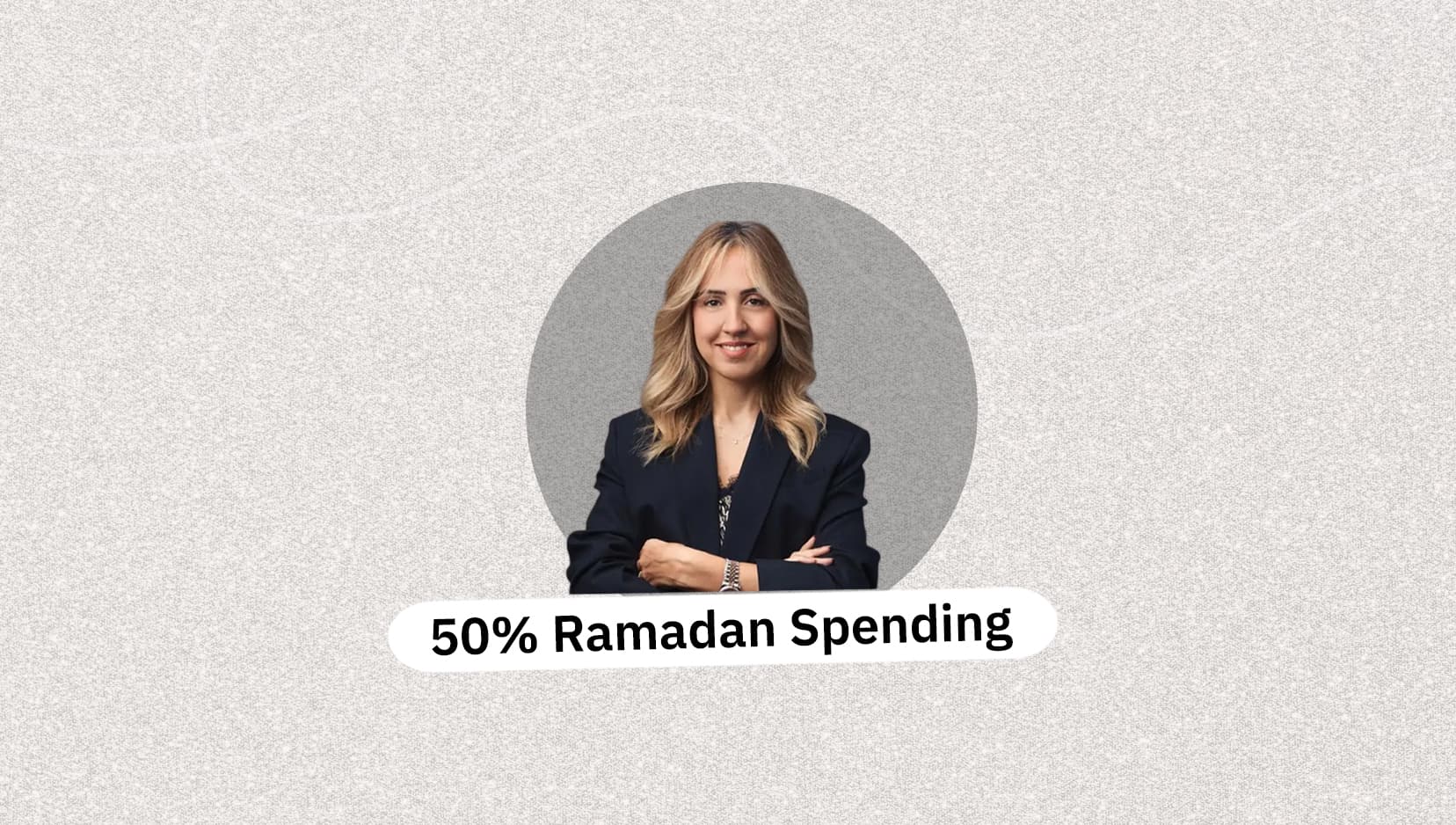
Malak El Baba, Vice President and Country Manager for Visa in Egypt, Libya and Sudan, noted that the Ramadan and Eid period recorded higher spending across travel and everyday retail, reflecting both inbound tourism and steady domestic demand. She said the trends highlight how consumer behaviour shifts during key seasonal moments and point to opportunities for businesses to offer smoother and more relevant commerce experiences.
Nicolas Khoury, SVP and Head of Visa Consulting & Analytics for CEMEA, explained that the Retail Spend Monitor tracks how spending evolves throughout Ramadan and Eid, from travel patterns to daily purchases. According to him, such insights can help banks and merchants fine-tune their offers as consumer needs change.
The monitor covers retail, travel and experience-related activity between 20 February and 20 March 2026. It is based on a subset of VisaNet data, complemented by survey estimates for other payment methods. Premium cards in this dataset include Visa Signature, Signature Preferred, Infinite, Infinite Privilege and Ultra High Net Worth.
For startups and SMEs across Egypt, and for many of our readers at Arageek who are building in fintech, retail or hospitality, these seasonal patterns are more than just statistics. They are signals. I reckon the real opportunity lies in anticipating these behavioural shifts, not just reacting to them. That said, data alone is not magic; execution is where things either take off or fall flat.
Ramadan and Eid will always bring a spending boost. But this year’s figures suggest something deeper: a consumer base that is travelling more, shopping later, and leaning into digital payments during moments that matter most. And for entrepreneurs watching closely, that’s good food for thought.
🚀 Got exciting news to share?
If you're a startup founder, VC, or PR agency with big updates—funding rounds, product launches 📢, or company milestones 🎉 — AraGeek English wants to hear from you!





✉️ Send Us Your Story 👇