 Ai Everything
 LEAP26
 AI
AI Saudi Arabia
 UAE
UAE Egypt
EgyptWSO2 Launches OpenChoreo 1.0, Empowering AI-Driven Enterprises with Open Source Innovation

4 min
WSO2 has launched OpenChoreo 1.
0, betting heavily on open source and “agentic” AI.
The platform joins the CNCF, ensuring open governance and no single vendor control.
Enterprise support adds SLAs, 24/7 help, security updates and onboarding guidance.
It helps firms link legacy systems, cloud apps and autonomous AI agents.
In MENA, open standards are becoming the baseline for long-term digital strategy.
WSO2 has unveiled the general availability of its Developer Platform for OpenChoreo 1.0, a move that signals how seriously the company is betting on open source and what many now call “agentic” AI. The release is aimed at helping organisations across the Middle East build and scale modern digital services, from customer-facing apps to autonomous AI agents, without being boxed into a single vendor’s ecosystem.
At the heart of this launch is OpenChoreo, an open source platform originally built by WSO2 to simplify the creation and operation of applications, integrations and AI-driven workflows. Over time, WSO2 decided to take it a step further and develop the project openly. OpenChoreo has now been accepted into the Cloud Native Computing Foundation (CNCF) as a Sandbox Project, a detail that may sound technical, but it matters. Being part of the CNCF ecosystem means open governance and community oversight. In plain English: no single vendor holds the keys.
For startups and scaling companies across MENA, vendor lock-in can be a real headache. I’ve seen founders spend months, well… I mean, sometimes years, trying to untangle themselves from tech decisions that didn’t age well. So an open, community-driven foundation is not just a buzzword; it can be the difference between agility and a bit of a faff when you want to pivot.
With the 1.0 release, WSO2 is layering enterprise-grade support on top of that open source core. The Developer Platform for OpenChoreo adds service-level agreements, 24/7 global support, security updates, onboarding assistance, and direct access to OpenChoreo maintainers and architects. The idea is simple: keep the core open, but give larger organisations the reassurence they need to run it in production.
The platform is designed to accelerate the rollout of digital services and make it easier to connect legacy systems with newer cloud-native applications. It also supports AI-assisted development and the deployment of autonomous agents that can monitor systems, optimise performance and help with real-time decision-making. That’s where the term “agentic enterprise” starts to make sense, businesses are not just building apps anymore, they’re building systems that can adapt and act on their own.
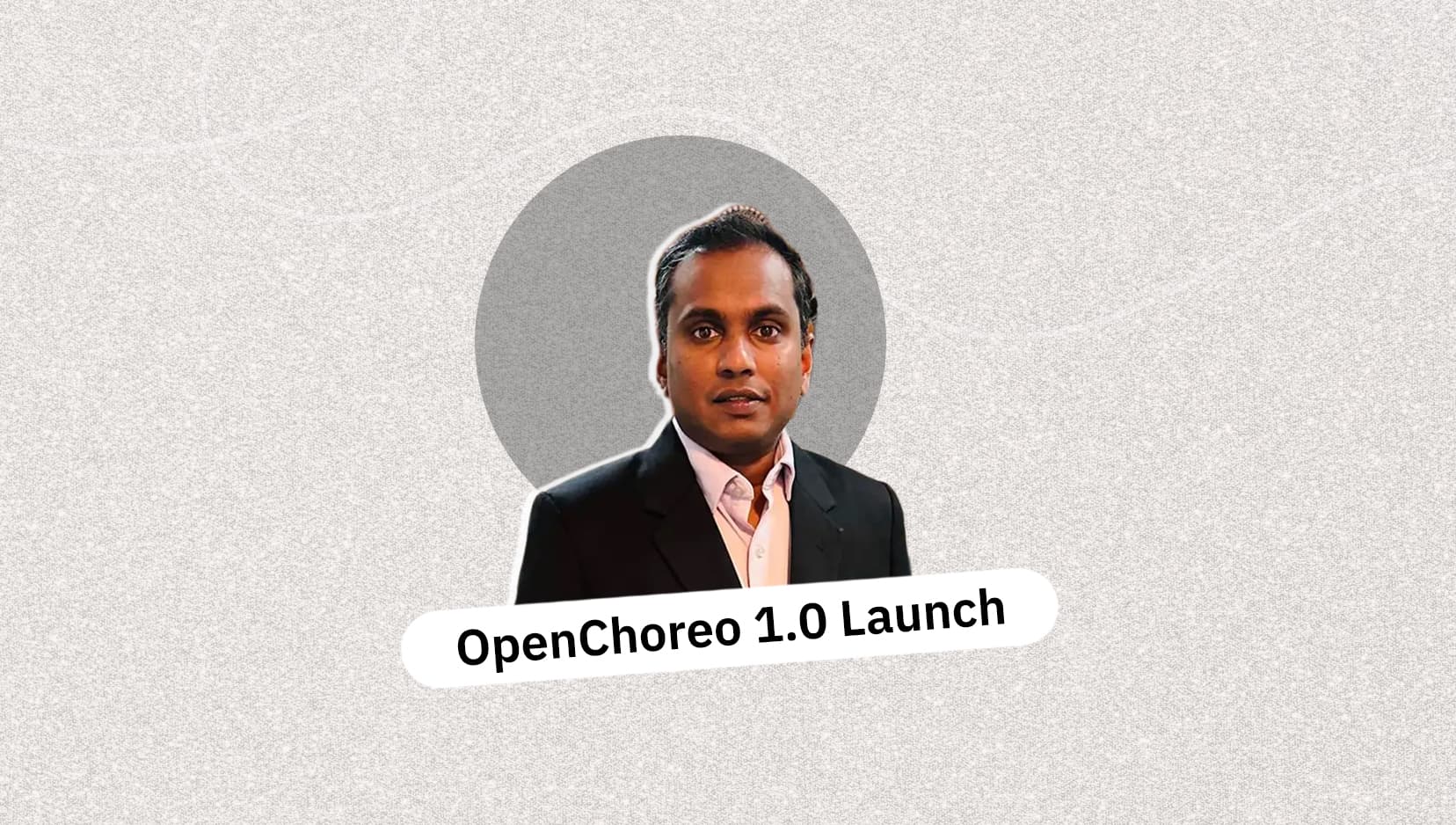
Lakmal Warusawithana, Product Manager for Choreo at WSO2, described this shift clearly. He said organisations today are creating intelligent digital systems that must evolve in real time, and that by contributing Choreo to the open source community, WSO2 ensured it remains open and future-ready. Adding enterprise support, he noted, enables companies to innovate faster and compete more effectively in an increasingly AI-driven economy.
And believe it or not, the timing feels spot on. Across the Gulf in particular, digital transformation budgets are still flowing, and AI is no longer just a slide in a PowerPoint deck. Governments and corporates alike are experimenting with automation and intelligent systems at scale.
WSO2 itself, founded in 2005, now operates globally with offices spanning from Sri Lanka and India to the UAE, the UK and the US. The company reports more than $100 million in annual recurring revenue and positions itself as a provider of a unified stack, covering APIs, integration, identity management, engineering platforms and now agent orchestration, all geared towards building what it calls the “agentic enterprise”.
On the flip side, competition in this space is fierce. Cloud providers and enterprise software giants are also pushing hard into AI-powered development environments. I’m not always convinced every new platform needs to promise a revolution. That said, rooting a developer platform in open governance, while offering clear enterprise support, is a pragmatic approach.
For founders and tech leaders across MENA reading Arageek and thinking about long-term architecture choices, the message is straightforward: open standards are no longer a nice-to-have. They’re becoming the baseline. And platforms that manage to balance openness with enterprise reliability may find themselves not just keeping up, but quietly leading the charge.
🚀 Got exciting news to share?
If you're a startup founder, VC, or PR agency with big updates—funding rounds, product launches 📢, or company milestones 🎉 — AraGeek English wants to hear from you!



✉️ Send Us Your Story 👇