 LEAP26
 AI
AI Saudi Arabia
 UAE
UAE Egypt
EgyptXCath lands $30M as Gulf capital backs surgical robotics

4 min
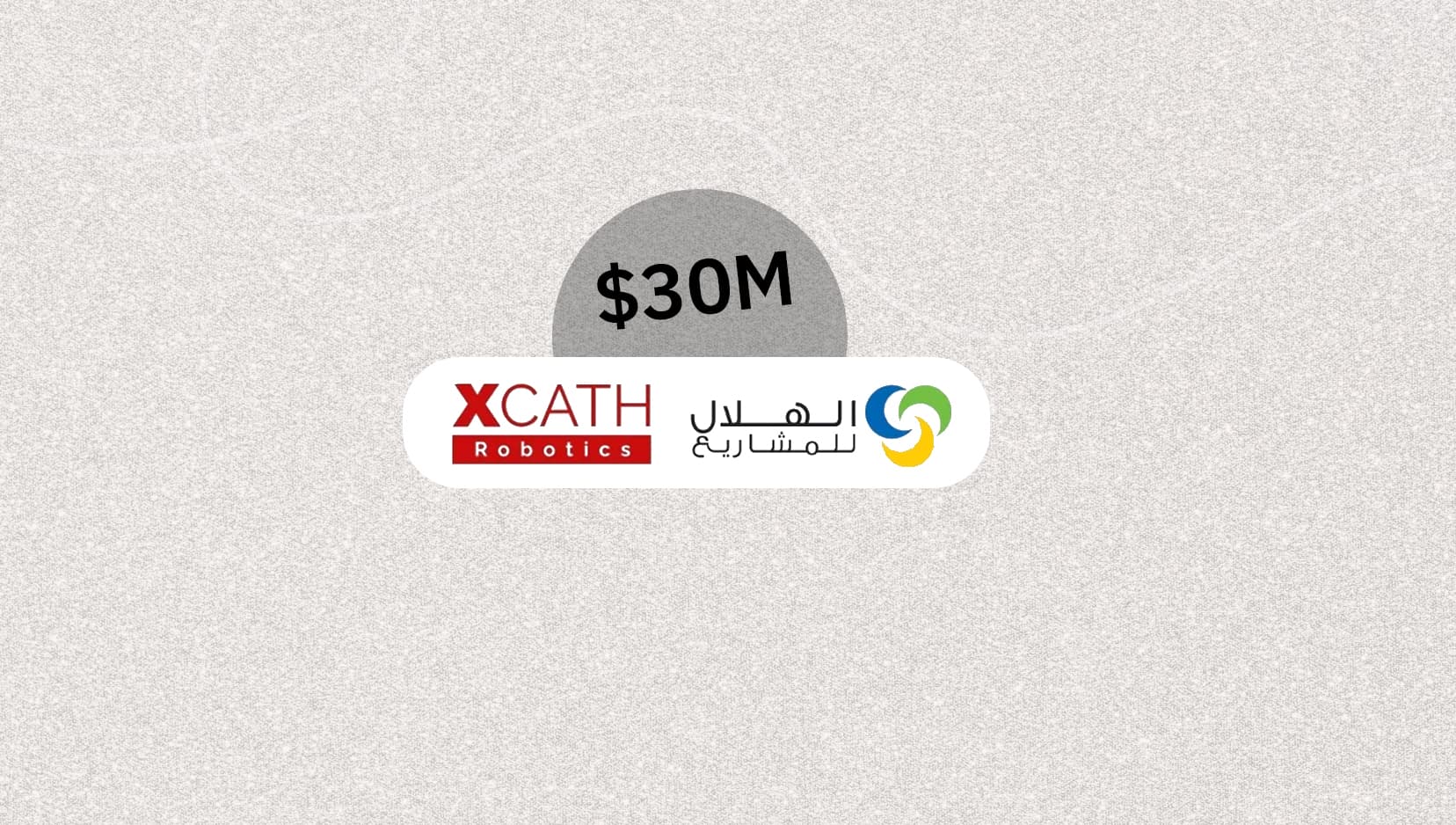
UAE-based Al-Hilal Projects joined $30m Series C for US firm XCath.
XCath develops robotic systems enabling surgeons to treat vascular disease remotely.
Its Iris platform targets complex cerebral aneurysms, using standard hospital imaging.
Clinical trials marked only the "second time" robots handled cerebral vessel interventions.
Investors signal Gulf appetite for "deep research" healthtech beyond fintech hype.
UAE-based Al-Hilal Projects has taken part in leading a $30 million Series C round for US medical technology firm XCath, pushing the company’s total funding to $92 million since it was founded. It’s another sign that Gulf capital is not just circling fintech and AI hype, but also digging into deeper healthtech plays that could quietly reshape patient care.
XCath, established in 2017 as a spin-out from the University of Texas Microsurgical Robotics Lab, is working on robotic systems designed for blood vessel surgery. In simple terms, the company wants to make it possible for surgeons to treat vascular diseases remotely, using robotic precision rather than standing for hours over an operating table. It’s ambitious stuff, and, if you ask me, a space that doesn’t always get the spotlight it deserves.
The fresh funding round also saw participation from Fred Moll, the company’s board chairman, alongside other backers from the healthcare and technology sectors. Moll is well-known in robotic surgery circles, which gives the round a certain weight. That said, raising capital is one thing; turning cutting-edge robotics into everyday hospital practice is another kettle of fish altogether.
At the heart of XCath’s work is its robotic platform called Iris. The system is designed to treat complex cerebral aneurysms, those dangerous bulges in brain blood vessels, using robotic-assisted techniques. Human clinical trials wrapped up in late 2025, where the technology was used to treat complicated brain vessel aneurysms. According to the company, this marked only the second time in history that a surgical robot has been used for cerebral vessel interventions. That detail alone makes you pause for a moment.
XCath says Iris is currently the only commercially available system worldwide capable of navigating cerebral vessels robotically while controlling three medical devices at once during a procedure. Importantly, the operations relied on standard imaging equipment already found in most hospitals, which could remove a bit of the faff when it comes to adoption. Hospitals, after all, are not always keen to rip out existing infrastructure.
I remember speaking to a founder in the region who once told me that healthtech success often lies in fitting into existing systems rather than trying to reinvent the entire hospital. In that sense, XCath’s approach feels spot on. If surgeons can use robotics without overhauling their imaging suites, the barrier to entry drops significantly.
The Series C funding is expected to speed up the market launch of the Iris system. And while regulatory pathways and hospital procurement cycles are rarely quick, well… I mean, they can test anyone’s patience, additional capital certainly helps clear the runway.
For Al-Hilal Projects, the deal reflects a broader pattern we’ve been noticing at Arageek: MENA investors are increasingly confident stepping into advanced US and global tech ventures, particularly those grounded in deep research. It’s no longer just about early-stage apps or e-commerce platforms. There’s a growing appetite for science-heavy projects that may take longer to mature but could deliver outsized impact.
On the flip side, robotic surgery in delicate brain vessels is not something that scales overnight. Training, regulation, and trust all play a role. Still, if XCath can convert its clinical trial success into wider hospital adoption, it could definately carve out a distinctive position in a niche but critical segment of vascular care.
And believe it or not, sometimes the biggest healthcare shifts start from these highly specialised corners. A single advancement in how we treat cerebral aneurysms can ripple outward, influencing standards of care worldwide. For startups across MENA watching this deal, the message is clear: deep tech may be complex, but when done right, it travels far beyond borders.