 LEAP26
 AI
AI Saudi Arabia
 UAE
UAE Egypt
EgyptAI-Powered MENA Trade Partnership Aims to Revolutionise U.S. Market Access

4 min
Foras.
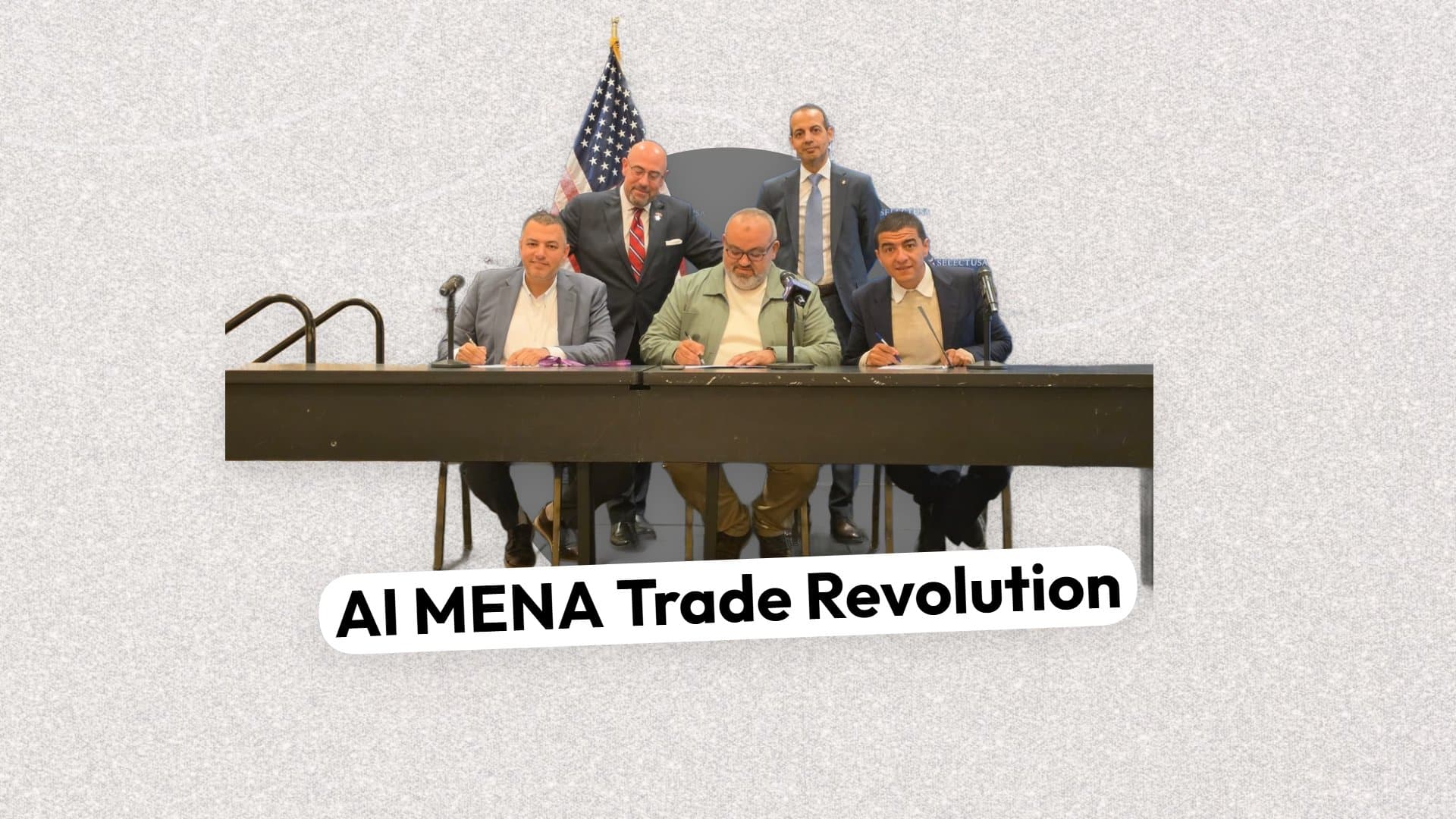
AI, M-Empire and TijaraHub signed an MoU for an AI-powered trade bridge.
They aim to build an “integrated and scalable” export–import ecosystem linking MENA and the US.
Plans include digitised logistics, embedded finance and automated compliance to cut bottlenecks.
The deal signals a “strategic investment and long-term partnership,” not just a handshake.
Success now hinges on execution, turning ambition into smoother global access for SMEs.
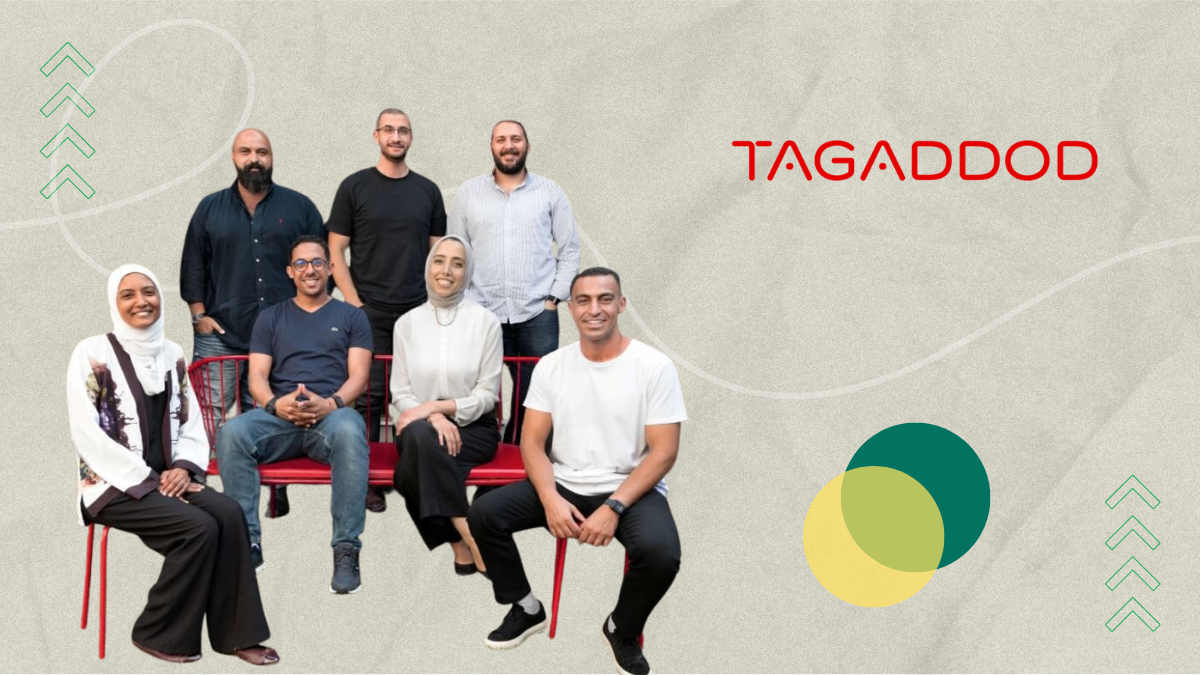
A new cross-border trade alliance is quietly taking shape, and it could signal bigger ambitions for how Middle Eastern businesses plug into global markets. Foras.AI, M-Empire, and TijaraHub have signed a Memorandum of Understanding (MoU) aimed at building an AI-powered bridge between the MENA region and the United States.
The agreement was announced by Mohamed Abou El Naga Negaty, who described it as “the beginning of a potential strategic investment and long-term partnership.” In other words, this is not just a handshake moment. It’s meant to evolve into something deeper, possibly with capital on the table.
At the centre of the deal sits TijaraHub, which has been positioning itself as a launchpad for manufacturers and exporters in Egypt and across the wider Middle East who want to reach international buyers. According to Negaty, the initiative is designed to “unlock new growth opportunities” and build “a more integrated and scalable export–import ecosystem connecting the Middle East to the United States.”
That phrase, integrated and scalable, matters. For years, many SMEs in the region have managed exports through fragmented networks, often relying on manual processes and layers of intermediaries. It can be, frankly, a bit of a faff. The idea here is to replace that with structured, tech-enabled pathways that make cross-border trade smoother and more predictable.
The partners say they plan to leverage advanced technology, cross-border fintech, and AI solutions to simplify and accelerate global trade. In practical terms, that points to digitised logistics workflows, embedded finance tools to ease payments, and automated compliance checks. These are precisely the friction points that tend to slow emerging-market exporters when dealing with the U.S. market.
I’ve seen many founders across MENA wrestle with these bottlenecks. At Arageek, we often hear from startups that getting the product right is only half the battle, navigating international trade systems is where things get messy. So any serious attempt to standardise and digitise that journey feels spot on, if execution matches ambition.
Interestingly, this MoU builds on TijaraHub’s participation in Exits MENA’s investment readiness programme. That process was intended to prepare the company to engage with global investors and strategic partners. Negaty indicated that TijaraHub was “prepared and positioned to engage with global investors,” suggesting the new partnership is a direct outcome of that groundwork. From readiness to execution, that’s the leap many startups struggle to make.
On the flip side, signing an MoU is the easy part. The real test will be operational delivery. The announcement also mentions deeper integration with selected portfolio companies across technology, fintech, and logistics. That ecosystem play, interlinking capabilities rather than building everything in-house, could speed things up, or it could complicate coordination if not managed tightly.
The broader ambition, as stated, is about “transforming how regional businesses access global markets by combining capital, technology, and strategic execution.” I reckon that’s a fair summary of where many MENA platforms are heading right now. There is a clear push to move beyond local wins and into structured global corridors.
And believe it or not, timing may be on their side. As global supply chains continue to shift and diversify, buyers in the U.S. and elsewhere are actively looking for new sourcing partners. The Middle East, with its manufacturing base and improving logistics infrastructure, wants a bigger slice of that pie.
Whether this partnership truly reshapes trade flows or becomes just another well-intentioned announcement will depend on follow-through… and that’s where many promising initiatives trip up. Still, the intent is clear: build a digitally driven, AI-enabled bridge that makes global commerce more acessible for regional exporters.
If it delivers even half of what it promises, it could definately change the conversation for SMEs across MENA looking westward. For now, the ink is dry on the MoU. The next chapter is execution.
🚀 Got exciting news to share?
If you're a startup founder, VC, or PR agency with big updates—funding rounds, product launches 📢, or company milestones 🎉 — AraGeek English wants to hear from you!

✉️ Send Us Your Story 👇