 Ai Everything
 LEAP26
 AI
AI Saudi Arabia
 UAE
UAE Egypt
EgyptArabic.AI and HeyBreez Unite to Transform Arabic Voice AI Landscape

4 min
Arabic.
AI and HeyBreez will deliver production-grade Arabic voice AI systems.
The partnership combines “deep language intelligence” with real-time infrastructure.
It supports dialects from Gulf to Maghrebi, plus natural Arabic-English code-switching.
Early deployments span finance, healthcare and government contact centres.
The firms plan wider dialect coverage and sovereign deployments through 2026.
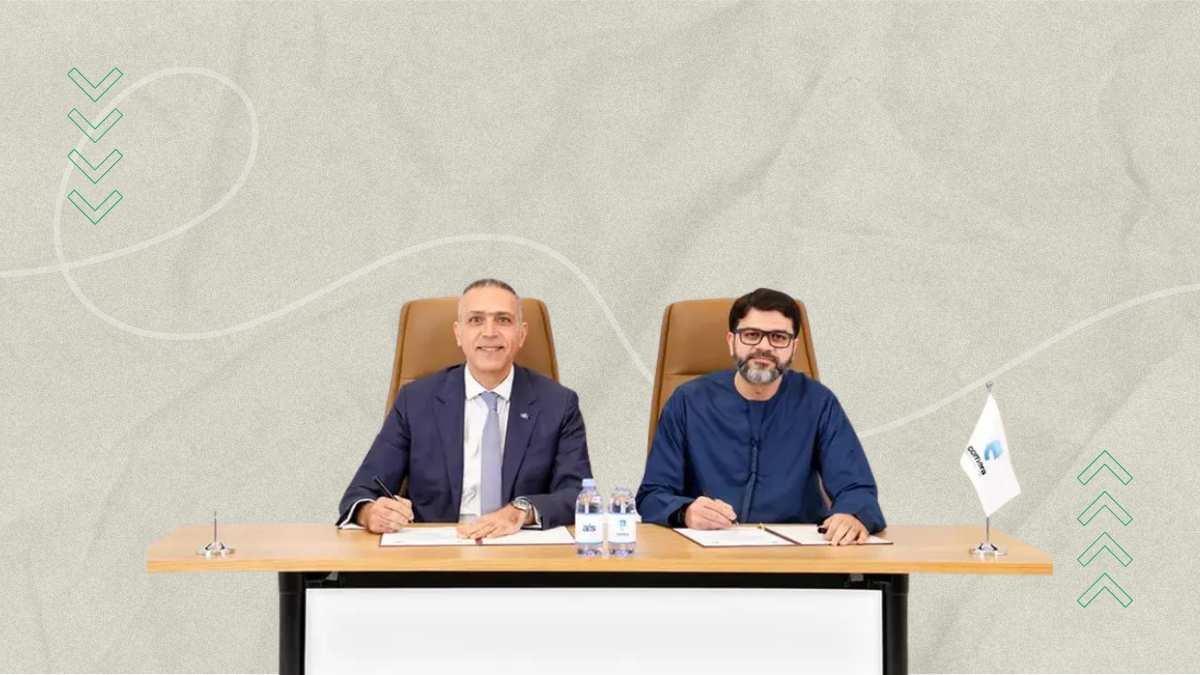
Arabic.AI has teamed up with HeyBreez in a move that could finally give Arabic voice technology the backbone it has long needed. The two companies say they are joining forces to roll out production-grade Arabic voice AI systems for enterprises and government entities across the region.
If you have ever tried speaking to an automated system in Arabic and ended up feeling like the machine simply gave up on you, you’re not alone. For years, Arabic speakers have had to deal with voice tools designed for English first, then awkwardly adapted. It has been, frankly, a bit of a faff. This partnership aims to change that by combining deep language intelligence with robust infrastructure.
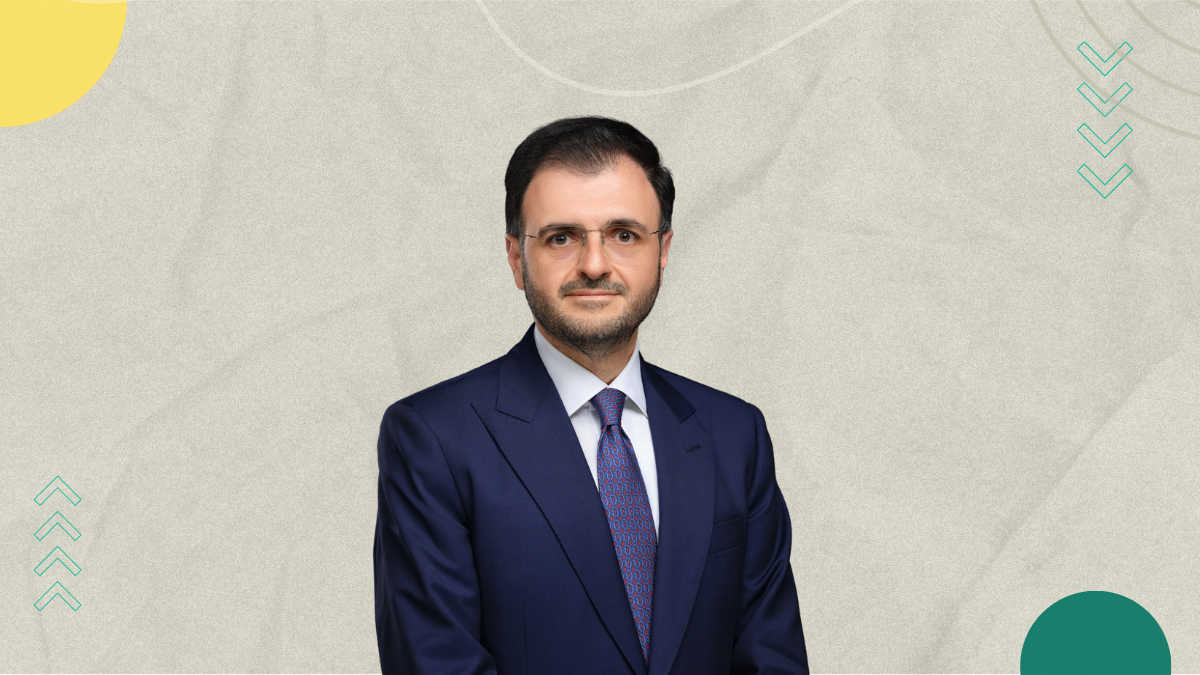
Arabic.AI brings to the table years of work in Arabic natural language processing, covering Modern Standard Arabic and a wide range of dialects, Gulf, Levantine, Egyptian and Maghrebi among them. That matters. Arabic is not one single, uniform language; it shifts and bends depending on where you are and who you are speaking to. As Nour Al Hassan, CEO and Founder of Arabic.AI, put it, Arabic is not a translation problem but a living language spoken by 400 million people, each dialect carrying its own context and identity. She noted that the company was built so Arabic speakers would not have to “shrink themselves to fit technology”, adding that partnering with HeyBreez allows that intelligence to operate at real scale.
On the other side is HeyBreez, which provides the real-time infrastructure stack that keeps everything running smoothly behind the scenes. This includes low-latency streaming, intelligent turn detection – so systems know when to listen and when to respond – multi-agent orchestration and full telephony integration. In simple terms, it handles the plumbing. Karim Malhas, CEO and Founder of HeyBreez, explained that serious communication platforms are built on infrastructure, not just applications, and that this partnership allows Arabic to run natively on that foundational layer.
Together, the companies say they now cover the full stack: infrastructure and language intelligence. And that, I reckon, is where things start to get interesting.
Governments across the Gulf are accelerating AI-driven public services, while enterprises are under pressure to automate customer interactions without losing the human touch. Four hundred million Arabic speakers remain underserved by voice AI that was never really designed for them. The demand is there. The readiness is there. What has been missing, until now, is the operational foundation.
The joint offering, described as the Arabic.AI Voice Agentic Platform powered by HeyBreez, is positioned as a production-ready system for contact centres, kiosks and digital channels. Early deployments reportedly cover financial services, healthcare and government operations. Organisations are already running both inbound and outbound call operations fully in Arabic, including natural Arabic-English code-switching, and at real production load, not just controlled demos that look spot on but fall apart under pressure.
Use cases range from automating customer support to patient-facing healthcare systems and conversational banking, as well as government service delivery in the language people actually speak every day. And believe it or not, that last point still feels revolutionary in some contexts.
At Arageek, we often hear founders talk about “inflection points” in sectors that have simmered for years. Arabic AI might be hitting one now. When infrastructure and local language expertise finally click together, the reuslt can shift from proof-of-concept to something tangible, something scalable.
The companies plan to expand into more verticals and geographies through 2026, with broader dialect coverage, sovereign deployment options and enhanced agentic capabilities on the roadmap. That suggests a longer-term bet, not just a short-term splash.
I’m not a fan of hype-heavy tech announcements. But this move feels grounded in a real market gap. If execution matches ambition, Arabic voice AI might at last move from compromise to confidence, and that, for millions of users, would be chuffed to bits news indeed.
🚀 Got exciting news to share?
If you're a startup founder, VC, or PR agency with big updates—funding rounds, product launches 📢, or company milestones 🎉 — AraGeek English wants to hear from you!

✉️ Send Us Your Story 👇