 Ai Everything
 LEAP26
 AI
AI Saudi Arabia
 UAE
UAE Egypt
EgyptAramex Streamlines $222M Debt with UAE Dirham Sustainability-Linked Loan

3 min
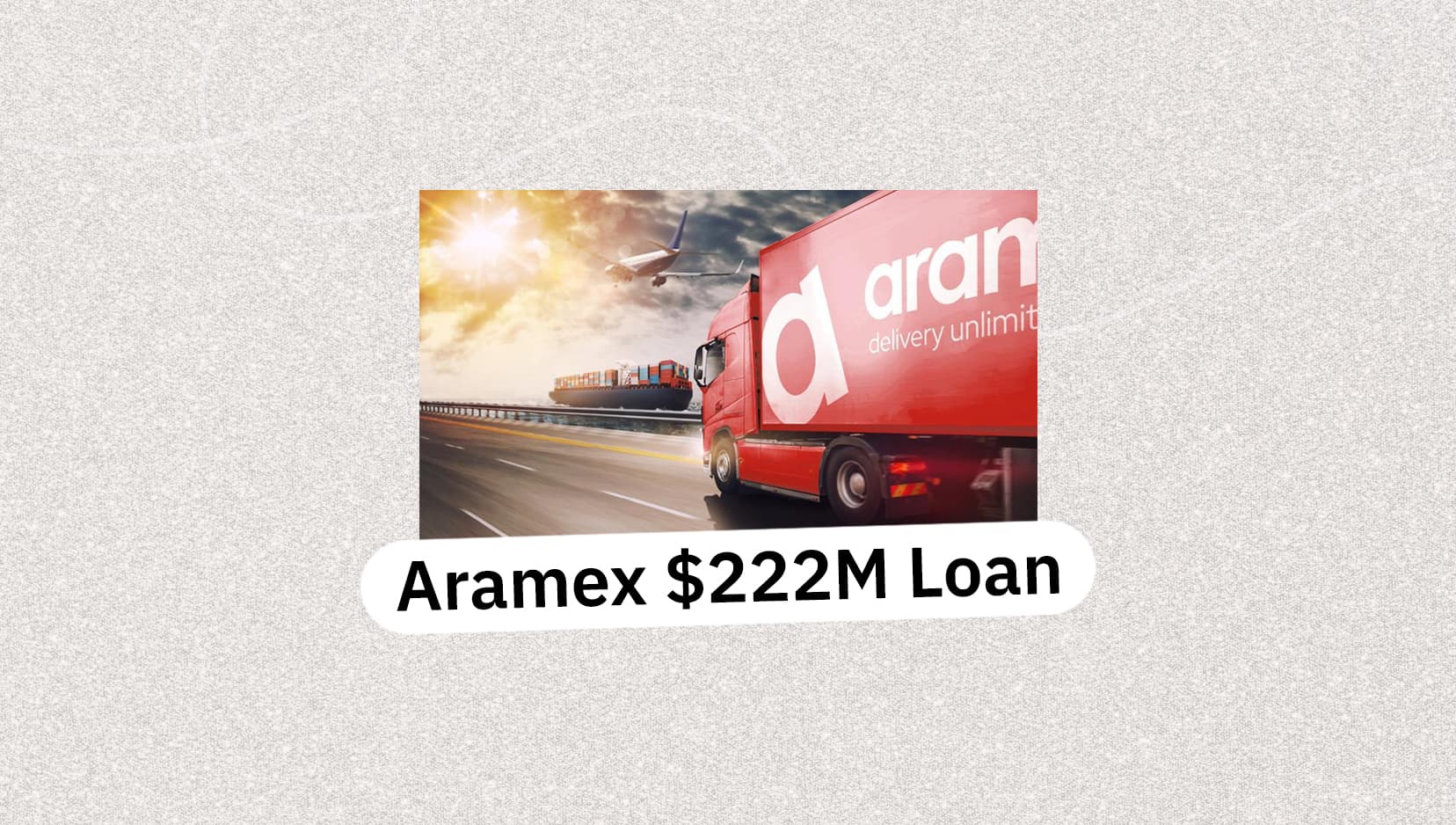
Aramex refinanced AED 815 million into a single UAE dirham loan.
The move replaces foreign-currency facilities, reducing exchange risk and complexity.
The new loan is sustainability-linked, tying costs to environmental performance.
Arranged by local and international banks, it should bring long-term savings.
The shift signals a focus on simpler finances and steady, sustainable growth.
Aramex has decided to tidy up its balance sheet, and in a way that says quite a lot about where the company sees its future.
The Dubai-based logistics group has refinanced AED 815 million, around $222 million, replacing a mix of US dollar- and pound-denominated facilities with a single loan in UAE dirhams. On the surface, it may sound like a bit of financial housekeeping. And in many ways, it is. But look closer and the move feels more strategic than routine.
Instead of juggling several foreign-currency loans, Aramex now has one UAE-based facility. This should simplify its debt structure and better align its financing with its core operations in the region. For a DFM-listed company like Aramex, reducing currency exposure is not just neat accounting; it can be spot on when it comes to managing risk, particularly in volatile markets.
The new facility is also structured as a sustainability-linked instrument. In simple terms, the cost of the loan is tied to how well Aramex performs against certain sustainability targets. The company did not disclose pricing details, but sustainability-linked debt usually means the better a firm performs on environmental or social metrics, the more favourable the financing terms can become. And believe it or not, this kind of structure is becoming less of a buzzword and more of a baseline expectation.
The refinancing was arranged through a syndicate of international and local banks, though further details on the lenders were not revealed. What is clear is that Aramex expects the move to generate cost efficiencies over the medium to long term.
At Arageek, we often speak about how startups and scale-ups in the MENA region need to think carefully about their capital structure, not just chase funding, but shape it. I remember chatting with a founder who said managing multiple currencies was “a bit of a faff” when most revenues were local. Different scale, of course, but the principle holds. Align your debt with where you actually operate. I reckon more regional companies will head in this direction as sustainability metrics and local currency financing become more central to investor conversations.
On the flip side, sustainability-linked loans do come with scrutiny. Companies have to report transparently on their targets and progress. That accountability can be demanding… but in today’s capital markets, it’s arguably part of the deal. Investors want to see substance, not slogans.
For Aramex, this refinancing is clearly about streamlining and preparing for steady, sustainable growth. It simplifies the capital structure, reduces foreign exchange exposure, and ties financing to measurable performance criteria. In a logistics industry that is constantly shifting, having a cleaner and more focused financial base could prove not just sensible, but definitately timely.
🚀 Got exciting news to share?
If you're a startup founder, VC, or PR agency with big updates—funding rounds, product launches 📢, or company milestones 🎉 — AraGeek English wants to hear from you!




✉️ Send Us Your Story 👇