 LEAP26
 AI
AI Saudi Arabia
 UAE
UAE Egypt
EgyptDubai Startup Ray Powers Up with $1.2M to Expand Powerbank-Sharing Service

4 min
Dubai startup Ray launches powerbank-sharing service, raising $1,2 million in seed funding.
Stations let users rent chargers via “Tap-to-Pay” in about 15 seconds.
Plans target 2,000 UAE locations, expanding across the GCC next.
Demand driven by heavy smartphone use and Dubai’s cashless, “smart city” push.
Founders bet solving a “dying phone” headache can build a scalable business.
Running out of battery in the middle of the day is, frankly, a bit of a nightmare. We’ve all been there, 12% left, no charger in sight, and that low-battery warning flashing like it’s mocking you. In a city like Dubai, where phones double up as wallets, boarding passes and business cards, it’s more than an inconvenience.
That’s the gap Ray wants to fill. The Dubai-based startup has officially launched its powerbank-sharing service in the emirate and announced it has secured $1.2 million in seed funding. The round was backed mainly by private investors, including Meirambek Abelkasov and Serik Uspanov, the co-founders of kick-sharing company JET. With fresh capital in hand, Ray plans to scale across the UAE and then the wider GCC, placing its charging stations in high-footfall spots such as restaurants, cafés, shopping malls and transport hubs.
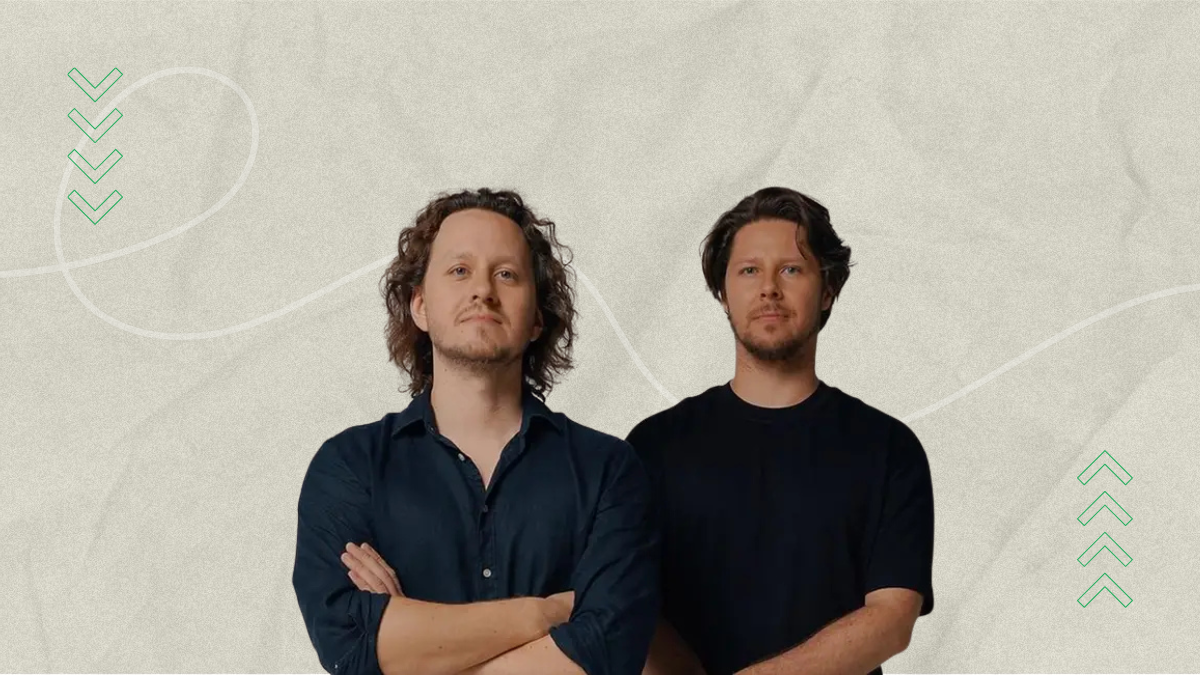
Founded by Igor Kosolap and Roman Averianov, Ray operates portable charging stations that allow users to rent a powerbank and return it to any other station within the network. The service is already live in Dubai and Abu Dhabi, with ambitions to roll out to 2,000 locations across the UAE by the end of the year.
The timing, on paper at least, looks spot on. The global powerbank-sharing market reached $2.8 billion in 2025 and is projected to grow at nearly 15% annually, driven by rising smartphone dependency and the need for on-the-go charging. In the UAE specifically, 3.8 million residents and almost 19.6 million international visitors last year create heavy daily demand for mobile connectivity. Add to that more than 13,000 food service venues, and you begin to see why hospitality is central to Ray’s expansion strategy.
I’ve noticed at startup events across the region how quickly people panic when their battery dips below 20%. According to industry data, around 90% of smartphone users feel stressed at that point, and roughly a quarter of devices run out of charge before the day ends. For founders pitching investors or customers paying through digital wallets, that’s not a small issue. It’s definately more than a minor inconvenience.
Ray’s main selling point is its Tap-to-Pay technology. As Roman Averianov, the company’s CPO and co-founder, explained in statements, users can rent a power bank in around 15 seconds simply by tapping a bank card or using Apple Pay or Google Pay directly at the station. No app download, no internet connection, not even a charged phone required to get started. On the flip side, those who prefer using an app can still follow the traditional route and pay according to the standard rental tariff based on how long they keep the device.
The powerbanks themselves are designed for fast charging, taking a smartphone from 20% to 80% in about half an hour, with enough capacity to recharge a device up to two times. According to equipment suppliers cited by the company, Tap-to-Pay systems can boost rental conversions and station revenue by as much as four times compared to app-only models. Ray says it is currently the only operator in the GCC offering this feature.
There’s also some serious infrastructure behind the scenes. The stations are connected via global IoT systems operating in more than 170 countries, alongside international payment acquiring. That may sound technical, but in simple terms it means devices stay connected and payments go through smoothly, which, in this business, can make or break the user experience.
And believe it or not, this kind of service fits neatly into Dubai’s wider smart city ambitions. Seamless, cashless, quick. No faff.
Longer term, Ray aims to expand across the GCC, using the UAE as a launchpad before stepping into other international markets. I reckon the concept makes sense, especially in dense urban areas where people are constantly on the move. Still, execution will be key. Securing prime hospitality partnerships and maintaining reliable hardware across thousands of locations is no small feat.
For the MENA startup ecosystem, though, it’s another reminder that not every opportunity has to be flashy or futuristic. Sometimes, solving a simple, everyday headache, like a dying phone, can open the door to a scalable business. And that, as many Arageek readers know, is often how the most resilient ventures are built.
🚀 Got exciting news to share?
If you're a startup founder, VC, or PR agency with big updates—funding rounds, product launches 📢, or company milestones 🎉 — AraGeek English wants to hear from you!

✉️ Send Us Your Story 👇