 Ai Everything
 LEAP26
 AI
AI Saudi Arabia
 UAE
UAE Egypt
EgyptEgypt Debuts Startup Pavilion at SusHi Tech Tokyo, Eyeing Asian Tech Markets

4 min
Egypt debuted a dedicated startup pavilion at SusHi Tech Tokyo 2026.
Ten firms showcased solutions, targeting Japan’s “advanced and demanding” tech market.
ITIDA and JICA backed the push under Project NINJA.
Startups met investors as Egypt pitched itself as a digital innovation hub.
A new report highlights 1,500 startups and $2,1bn raised since 2020.
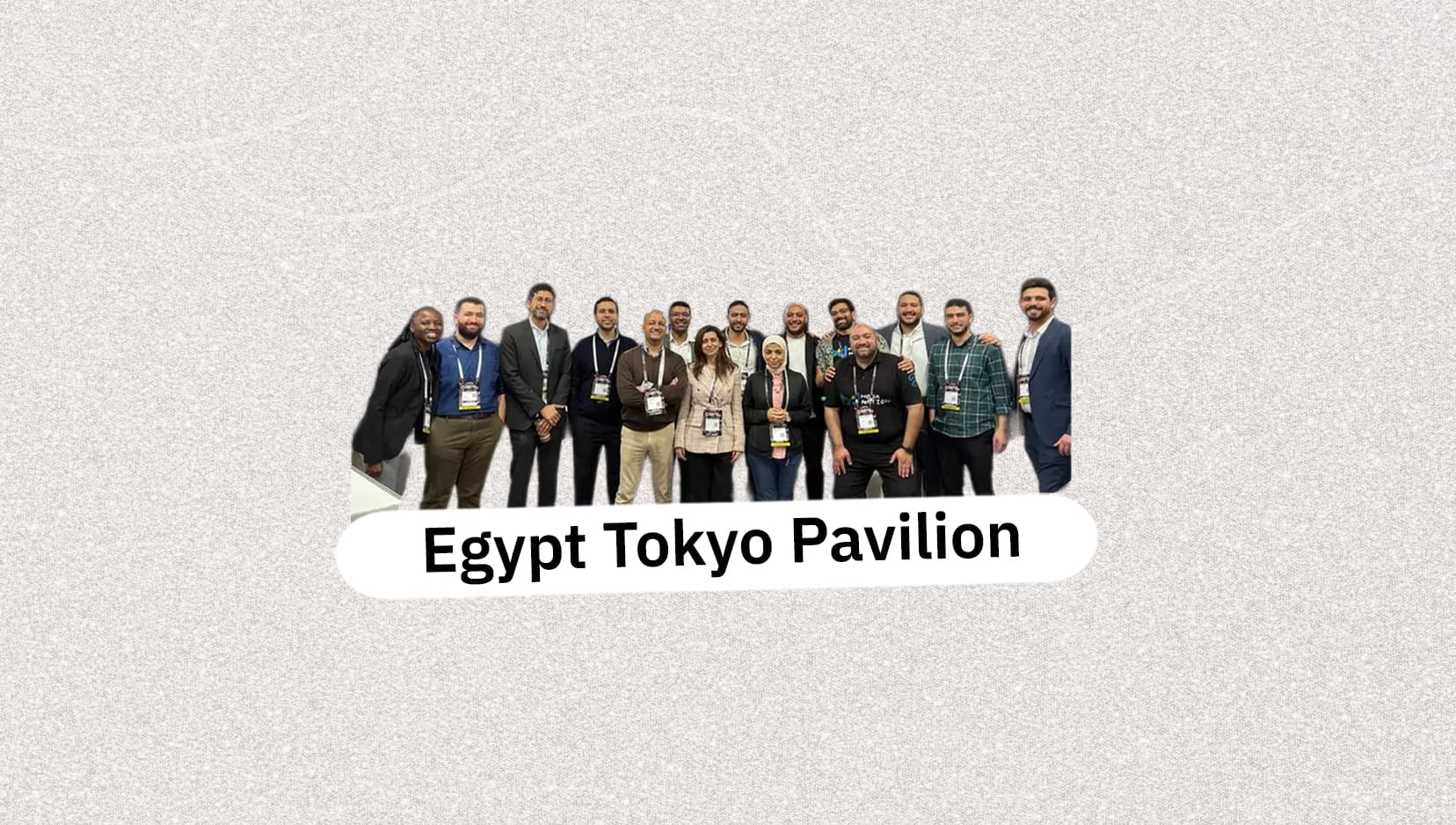
Egypt has stepped onto the stage at SusHi Tech Tokyo 2026 with something it has never done before: a dedicated pavilion for its startups. Ten Egyptian tech companies are showcasing their solutions at the Tokyo event, held from 27 to 29 April, marking the country’s first official startup pavilion at the gathering.
The move comes as part of an official delegation led by the Information Technology Industry Development Agency (ITIDA), working alongside the Japan International Cooperation Agency (JICA). The presence is more than symbolic. It signals how seriously Egypt is taking its push into Asian market, Japan in particular, which is often seen as one of the most advanced and demanding tech arenas in the world.
The Egyptian pavilion drew attention from high-level officials, including Egypt’s Ambassador to Japan, Ragui ElEtreby, and Tokyo Governor Yuriko Koike. Their visit underlined the diplomatic weight behind the initiative. And believe it or not, that kind of political nod can make a real difference when startups are trying to open doors abroad.
This participation is rooted in the strategic partnership between ITIDA and JICA under Project NINJA, short for Next Innovation with Japan. The programme is designed to help startups expand globally by linking them with international innovation networks and easing access to quality investors. In plain terms, it is about giving founders a smoother runway into new markets, instead of leaving them to figure it out alone, which can be a bit of a faff.
Ahmed Elzaher, CEO of ITIDA, described the pavilion as a significant step towards connecting Egyptian innovators directly with global investors and partners. He noted that Japan represents a high-value market and that the initiative aims to accelerate international expansion while reinforcing Egypt’s standing as a hub for digital innovation and technology exports.
From what I’ve seen covering the region’s ecosystem, access is everything. You can have a spot on product, but without the right rooms, and the right people in them, growth stalls. That’s why these B2B meetings and investment sessions matter. The participating startups are engaging with Japanese and international investors, venture capital firms and financial institutions throughout the exhibition, laying groundwork for long-term partnerships between the two countries.
The ten startups come from sectors like e-commerce, healthtech, logistics, manufacturing, energy and cybersecurity. They were selected by a joint committee including ITIDA, JICA and Japanese venture capital firms, based on criteria such as scalability, innovation, investment readiness and relevance to Japanese market needs. In short, not just flashy ideas, but businesses that can travel.
On the sidelines of SusHi Tech Tokyo, Startup Genome, working with JICA and ITIDA, released the “Egypt Startup Ecosystem Report”, aiming to spotlight Egypt’s entrepreneurial landscape to a global audience. The figures tell a story of steady momentum. Egypt is now home to more than 1,500 active startups and over 15 VC and corporate venture capital funds. Between 2020 and 2025, startups in the country raised more than $2.1 billion in venture funding, while total exit values reached $7.4 billion across more than 50 exits.
That kind of maturity doesn’t happen overnight. The report points to Egypt’s strengths in deep tech, fintech, semiconductors and Arabic-language artificial intelligence, backed by a large STEM talent pool. There is also growing interest from regional and global investors. On the flip side, competition is heating up across the region, so staying ahead will require constant reinvention—no one can afford to sit back.
SusHi Tech Tokyo, short for Sustainable High City Tech, is considered one of Asia’s leading innovation events, bringing together around 700 startups this year alongside corporates, policymakers and investors. The focus is on sustainable, tech-driven urban solutions. For Egypt, taking part with a national pavilion plants a clear flag. It says: we are here, and we are ready to collaborate.
At Arageek, we often talk about energising founders across MENA to think beyond borders. Seeing Egyptian startups pitching in Tokyo, thousands of miles from Cairo, I can’t help but feel chuffed to bits. There is still work to do, definately. But moments like this show how far the ecosystem has come, and how global its ambitions are becoming.
🚀 Got exciting news to share?
If you're a startup founder, VC, or PR agency with big updates—funding rounds, product launches 📢, or company milestones 🎉 — AraGeek English wants to hear from you!





✉️ Send Us Your Story 👇