 GITEX Dubai
 Ai Everything
 LEAP26
 AI
AI Saudi Arabia
 UAE
UAE Egypt
EgyptEgypt Teams with IFC to Propel Startup Growth with New Investment Funds

4 min
Egypt plans dedicated startup investment funds with IFC, boosting its global investment appeal.
Talks focused on “sustainable finance”, governance, and long-term fund sustainability.
Plans include expanding the carbon market and creating a transparent projects registry.
A proposed TradeTech Sandbox would help startups unlock export markets using big data.
Success will depend on execution speed, regulatory clarity, and proper oversight.
Egypt is taking another step to strengthen its startup ecosystem, this time with plans to launch dedicated investment funds in partnership with the International Finance Corporation (IFC), the private sector arm of the World Bank Group. The move comes as part of a broader push by the Ministry of Investment and Foreign Trade to sharpen the country’s edge as a global investment destination.
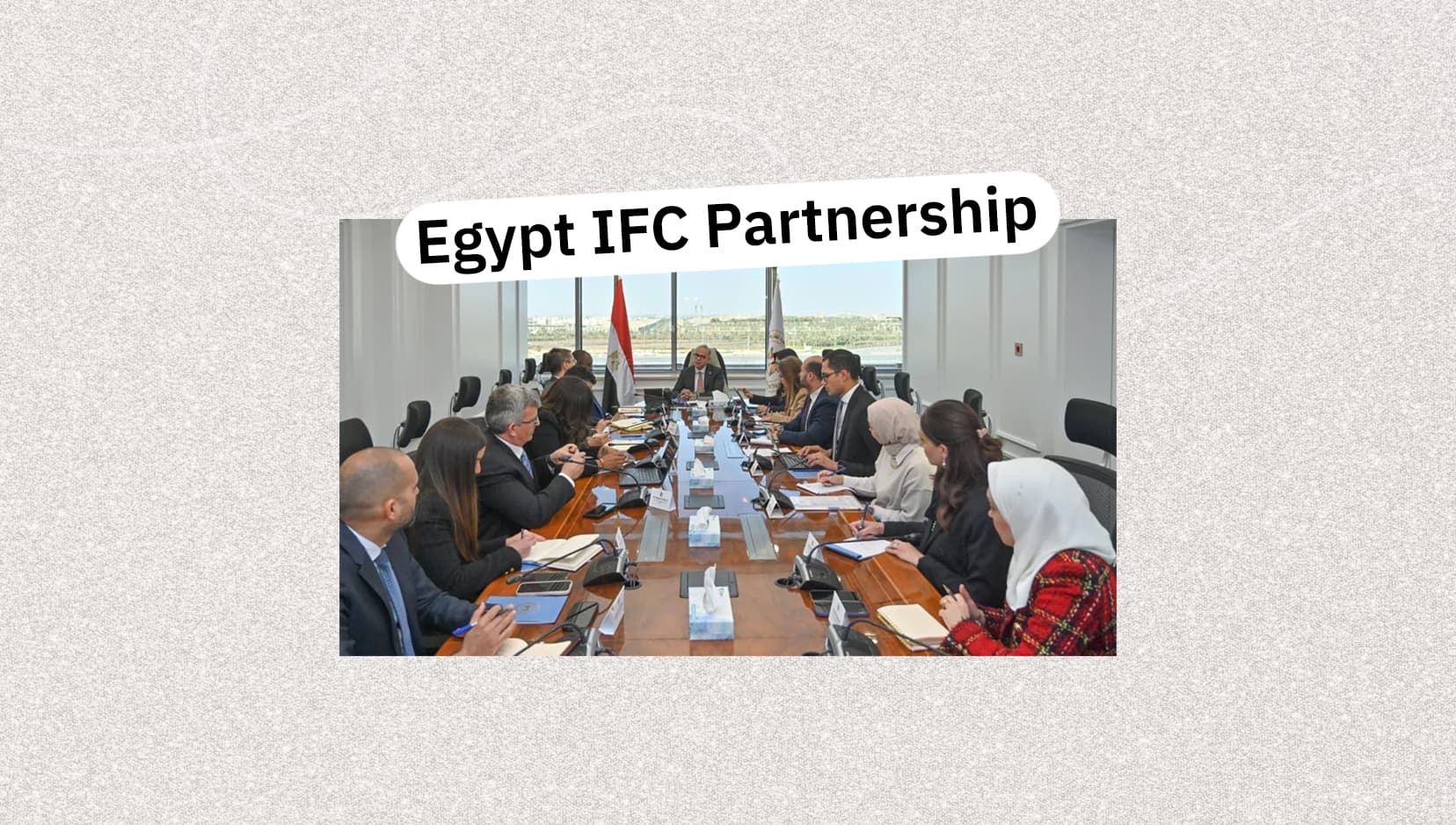
During an expanded meeting between Minister of Investment and Foreign Trade Dr Mohamed Farid Saleh and IFC representatives, discussions centred on improving Egypt’s business environment and shaping practical mechanisms for cooperation. At the heart of it all? Sustainable finance, startup support, and deeper use of digital and green economy tools.
From what I’ve seen covering founders across the region, access to structured, patient capital is still a bit of a faff for many early-stage ventures. So the idea of launching properly governed investment funds, with international partners involved not just as financiers but as contributors to project selection and performance monitoring, feels like a sensible step. It’s not just about writing cheques; it’s about ensuring long-term financial and administrative sustainability.
The talks also explored building a professional governance framework for these funds. That detail matters. Governance might sound dull, but in reality, it’s the backbone that keeps ventures alive when market conditions turn rough. I reckon this focus on structure, rather than hype, is spot on.
That said, the meeting wasn’t limited to startups alone. Sustainable finance featured heavily. One area of interest was expanding Egypt’s carbon market and linking it more effectively to corporate social responsibility programmes. The idea is to encourage companies to purchase carbon credits as part of their environmental commitments, while ensuring that the proceeds directly fund farmers and small environmental projects that cut emissions. In simple terms: turning environmental obligation into tangible economic and social return.
There was also discussion about establishing an official registry for carbon reduction projects, alongside a comprehensive platform to present these initiatives to international investors. Pair that with expanding the issuance and trading of renewable energy certificates, known as I-RECs, and you begin to see the outline of a more organised green finance ecosystem. And believe it or not, global investors are increasingly picky about transparency in these markets, a clear registry could make all the difference.
Digital transformation was also on the table. Building on Egypt’s fintech momentum, the Ministry outlined a vision for a TradeTech Sandbox, a regulatory testing environment designed specifically for trade technology. In essence, it would allow startups to test solutions using big data and advanced analytics to unlock new export markets.
The proposed sandbox would integrate data from the General Organization for Export and Import Control, the Egyptian Commercial Representation, the Ministry of Industry, and relevant international sources. AI-focused startups would then develop tools to analyse that data, map potential importers and stakeholders, and identify promising opportunities, all while ensuring full data confidentiality. For founders trying to scale exports, that kind of visibility could be invaluable.
On the flip side, implementation is everything. Sandboxes and funds can look impressive on paper, but their impact depends on execution speed and regulatory clarity. I’m not a fan of initiatives that get announced with fanfare and then quietly stall. Still, there’s a clear attempt here to tie governance, sustainability, and technology together in one coherent strategy.
For readers at Arageek who follow the ups and downs of MENA’s startup scene, this development will definately be one to watch. If structured properly, these funds, combined with digital and green finance reforms, could help Egyptian startups move from survival mode to real scale. And in a region where resilience has become second nature, that’s no small thing.
🚀 Got exciting news to share?
If you're a startup founder, VC, or PR agency with big updates—funding rounds, product launches 📢, or company milestones 🎉 — AraGeek English wants to hear from you!
✉️ Send Us Your Story 👇