 LEAP26
 AI
AI Saudi Arabia
 UAE
UAE Egypt
EgyptEgypt to Launch Fintech-Friendly Digital Passport Licence for Startups

3 min
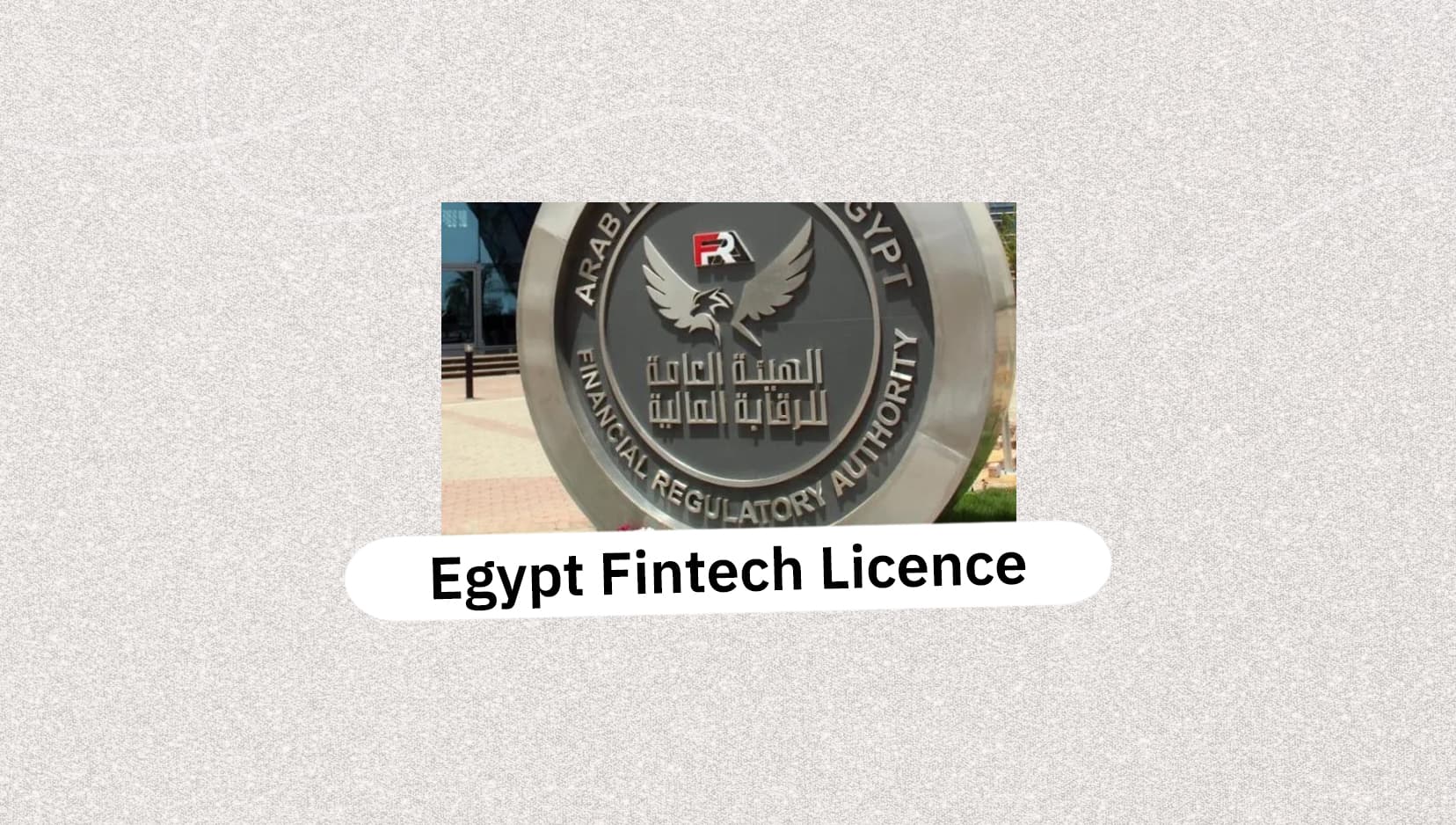
Egypt’s FRA plans a first “digital passport” licence for fintech firms.
It would bundle several regulated activities under one unified approval.
The aim is to cut red tape and speed services to market.
Officials stress “smarter regulation”, not deregulation, as fintech adoption grows.
Success depends on clear rules, swift processing and real predictability.
Egypt’s Financial Regulatory Authority (FRA) is getting ready to roll out what it calls the country’s first “digital passport” licence, a move designed to make life easier for fintech companies and, in theory, speed up the delivery of digital financial services.
In simple terms, the digital passport would allow licensed fintech firms to carry out several regulated activities under one unified approval. Instead of going through a bit of a faff with multiple licences and repeated paperwork, companies could operate more smoothly within a single framework. For startups trying to move fast, and in fintech, speed is everything, this could be spot on.
The idea is to cut red tape and shorten the time it takes for new services to reach the market. Whether it’s digital payments, online lending platforms, or insurtech solutions, the FRA appears keen to create a structure that keeps pace with innovation rather than slowing it down. And believe it or not, that shift in regulatory mindset can sometimes matter more than funding rounds.
I’ve seen across the MENA ecosystem how licensing delays can quietly drain a startup’s momentum. Founders are chuffed to bits when they build a working product, only to find regulatory approvals take months. It can be frustrating, and I reckon any move that reduces duplication without weakening oversight is a step in the right direction.
That said, unified licensing models are not about deregulation. They’re about smarter regulation. The FRA’s approach reflects a wider push in Egypt to modernise its financial infrastructure and oversight mechanisms, especially as fintech adoption accelerates. The country has been investing in regulatory reform and public-private collaboration for some time now, aiming to strengthen its position as a regional fintech hub.
On the flip side, implementation will be everything. A digital passport sounds promising on paper, but its real impact will depend on how clearly the framework is structured and how efficiently applications are processed. Startups don’t just need new policies; they need predictability.
Still, the move mirrors global trends. Other markets have introduced regulatory sandboxes, passporting regimes, and unified compliance models to encourage innovation while maintaining control. Egypt’s initiative seems to follow that playbook, adapting it to local realities.
For founders across North Africa and the wider region, this could open another door. And at Arageek, where we constantly hear from entrepreneurs navigating their early growth stages, there’s definately appetite for less complexity and more clarity. Well… I mean, who enjoys filling out the same forms five times?
If delivered as intended, the FRA’s digital passport licence could ease market entry, attract fresh investment, and give Egypt’s fintech scene a sharper edge. It’s not a silver bullet, but it may just help the ecosystem move a little faster, and sometimes, that small push makes all the difference.
🚀 Got exciting news to share?
If you're a startup founder, VC, or PR agency with big updates—funding rounds, product launches 📢, or company milestones 🎉 — AraGeek English wants to hear from you!





✉️ Send Us Your Story 👇