 Ai Everything
 LEAP26
 AI
AI Saudi Arabia
 UAE
UAE Egypt
EgyptEgypt’s FRA Welcomes Lumin Soft to Fintech Sandbox for Digital Identity Testing

3 min
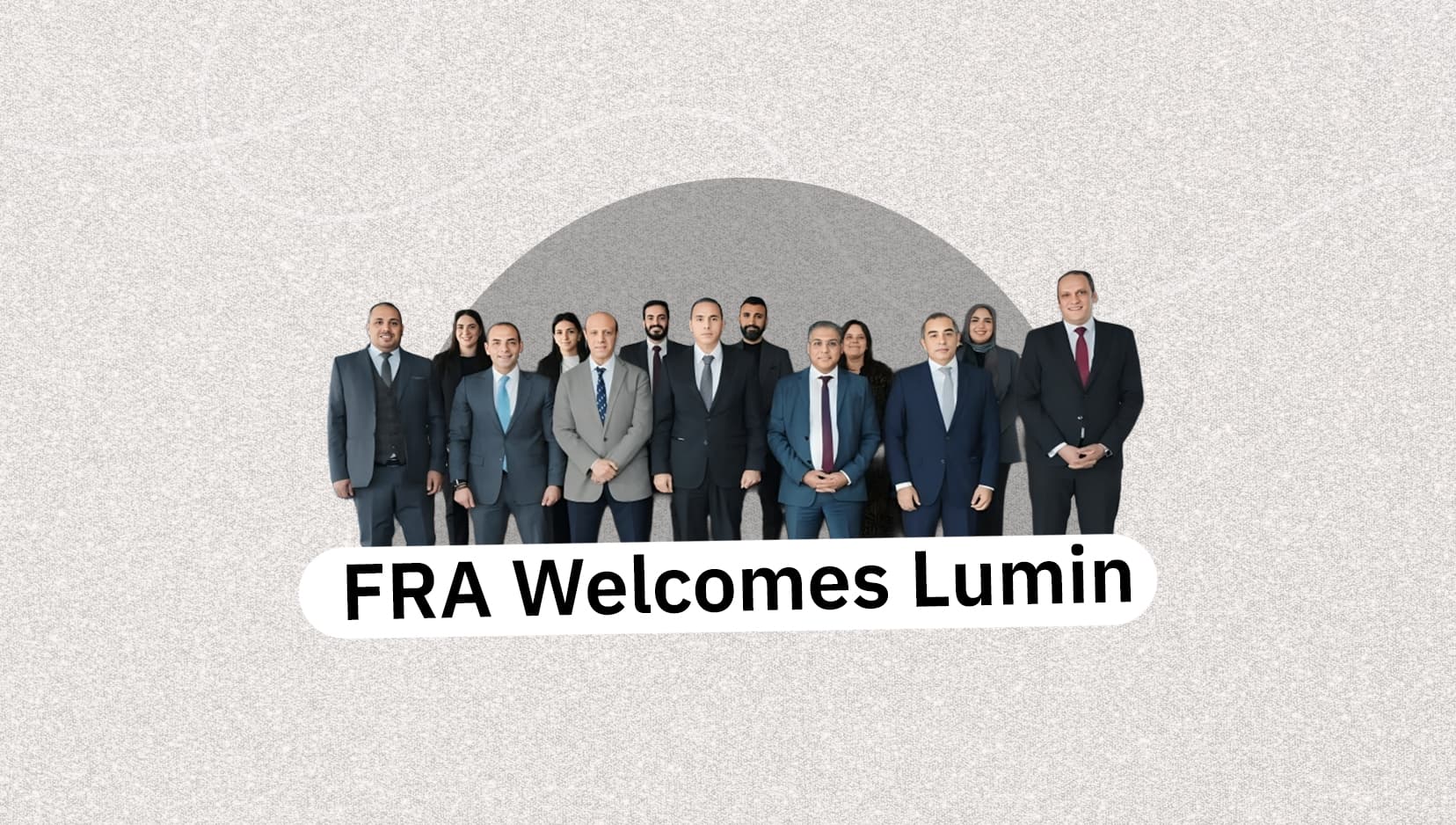
Egypt’s FRA has given Lumin Soft initial approval to join its fintech sandbox.
The firm will test e-passport verification for non-Egyptians using NFC technology.
The system follows ICAO PKD standards, securely validating encrypted passport data.
Officials say it will ease foreign investor onboarding and boost non-banking services.
The move signals Egypt’s push to strengthen digital finance infrastructure.
Egypt’s Financial Regulatory Authority (FRA) has given Lumin Soft the green light, at least the initial one, to join its regulatory sandbox for fintech applications. With that nod, the company becomes the third firm to enter the sandbox since it was launched, a small number that tells you the bar is not exactly low.
For those who follow the fintech scene on Arageek, regulatory sandboxes are a bit of a game changer. They allow startups to test new financial products in a supervised environment before going fully live. It saves everyone a lot of faff later on. I’ve seen firsthand how tough compliance can be for early-stage founders in the region; one missed regulatory detail and, well… things can slow down quickly.
Lumin Soft focuses on digital identity, electronic verification and digital contracts. Its approved project centres on verifying the identity of non-Egyptians using electronic passports, or e-passports, through Near Field Communication (NFC) technology. In simple terms, this means a mobile device can read the chip inside an e-passport to confirm someone’s identity digitally.
The solution relies on the International Civil Aviation Organization’s Public Key Directory (PKD) standards. That’s a technical way of saying the passport data can be authenticated securely and in line with global aviation security benchmarks. It’s not just scanning a document; it’s validating encrypted data against international databases. That detail, I reckon, is what makes the proposal particularly strong.
According to statements by Dr Islam Azzam, these digital mechanisms are an important step in making it easier for foreign investors to enter the Egyptian market and access non-banking financial services. Simplifying how investors verify their identities, while keeping it secure, could help strengthen foreign investment flows into the country.
And believe it or not, identity verification is often the sticking point. On the flip side, when it works smoothly, onboarding can shift from days to minutes. That’s spot on for a market aiming to position itself as a regional fintech hub.
Lumin Soft will now be able to conduct live tests of its business model inside the sandbox. This includes creating digital identities through e-passports and integrating the system with the investment platform of Azimut Investments Egypt. The idea is to enable non-Egyptian investors to access different asset classes within a regulated framework.
Ahmed Khalifa, Executive Director of the FRA Sandbox, described the project as a practical example of using digital transformation to develop financial services. He noted that it would enhance access for foreign investors while boosting the efficiency and competitiveness of Egypt’s non-banking financial sector.
The FRA’s sandbox itself is one of the authority’s more advanced regulatory tools, designed to support innovation without throwing caution to the wind. It offers a supervised space for companies to experiment with new business models and technologies before launching commercially. That measured approach feels sensible; I’m not a fan of hype without guardrails.
All in all, this move signals Egypt’s clear ambition to strengthen its digital financial infrastructure and attract more fintech players. For startups watching from across the MENA region, it’s definately a development worth keeping an eye on.
🚀 Got exciting news to share?
If you're a startup founder, VC, or PR agency with big updates—funding rounds, product launches 📢, or company milestones 🎉 — AraGeek English wants to hear from you!



✉️ Send Us Your Story 👇