 LEAP26
 AI
AI Saudi Arabia
 UAE
UAE Egypt
EgyptEgypt’s Tourism Report: From Visitor Boom to Value-Driven Growth by 2030

5 min
Entlaq's report suggests Egypt's tourism shift focus from visitor numbers to economic value.
Omar Rezk emphasises the need for a unified digital strategy to foster innovation and growth.
Complex rules and weak digital systems hinder MSMEs, impacting tourism sector efficiency.
El Gouna's inclusive growth model supports year-round cultural and entrepreneurial activities.
Report highlights the need for integrated reforms to maximise Egypt's tourism potential by 2030.
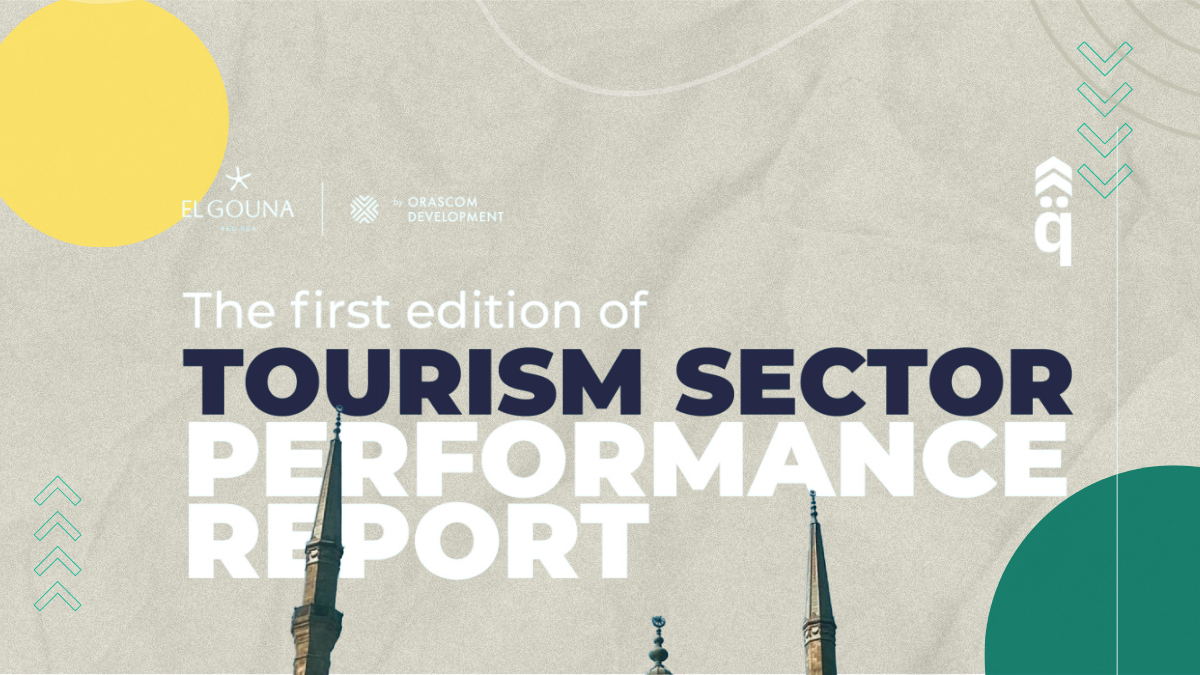
Entlaq has rolled out a new Tourism Sector Performance Report, painting a detailed picture of how Egypt’s tourism industry could move from sheer visitor volume to real economic value. The launch, backed by El Gouna as Platinum Sponsor, comes at a moment when Egypt is welcoming more travellers than ever. Last year alone, 15.7 million international tourists visited the country — a record high — and tourism now contributes around 8.5% of national GDP while supporting some 2.5 million jobs. Still, the report argues that despite this impressive rebound, Egypt isn’t capturing enough value per visitor, which is a bit of a faff for long-term productivity.
Omar Rezk, Co‑Founder and Managing Director of Entlaq, commented that Egypt has the global appeal and the momentum, especially with the opening of the Grand Egyptian Museum. But as he put it, the real challenge lies in value creation. The findings suggest that unless governance, licensing, digital infrastructure, and MSME support move in sync, tourism growth will remain concentrated and low‑productivity. He noted that a unified digital and TourismTech-led strategy could potentially double the sector’s economic contribution by 2030 — shifting focus from volume to high‑value, innovation-driven growth.
Rezk also highlighted the role of MSMEs and startups, which he described as the backbone of global tourism markets. When smaller enterprises are blocked by complex rules, weak financing, and disconnected digital systems, the whole sector underperforms. I reckon many founders across the MENA region would nod along to that; at Arageek, we’ve seen enough startups tripped up by unclear regulations to know the story all too well.
El Gouna’s CEO, Mohamed Amer, said the partnership with Entlaq builds on their previous collaboration around the Entrepreneurship Sector Diagnostic Report. He pointed to El Gouna’s unique position as a year-round Red Sea town, home to more than 25,000 residents from over 50 nationalities. Through events like the El Gouna Film Festival and platforms such as G-Space and G-Valley, the destination has carved out a reputation as a hub for culture, sports, and entrepreneurship. Amer added that El Gouna’s model supports inclusive growth by creating steady jobs across multiple sectors and offering an integrated business environment suited for startups and creative ventures.
The report stresses that Egypt’s biggest constraints no longer lie in global demand but in system‑level fragmentation. Large stretches of Upper Egypt, the Western Desert, and secondary heritage and eco-tourism sites remain underdeveloped. Tourism responsibilities are spread across multiple ministries, resulting in duplicated procedures and slow licensing. At present, tourism licences can take between six and twelve months, requiring up to sixteen separate approvals — and only 10–30% of the process is digitised. By contrast, peers like the UAE complete licensing within one to two months, with 85–95% done digitally. That said, competition isn’t everything, but this gap does raise eyebrows.
Dr Reham ElMorally, Head of Public Policy at Entlaq, said the sector suffers from a “missing middle”: while major operators attract investment, smaller tourism businesses face barriers that keep informality high, especially in governorates like Fayoum, Minya, and Qena. She noted that opaque registration and high licensing costs are key reasons why informality scores can reach 4.5 out of 5 in some areas — well… I mean, that’s pretty telling.
Digital transformation, according to the report, remains one of Egypt’s most underused growth levers. Although the country has made progress with e‑visas, online ticketing, and instant payment tools, these initiatives operate in silos. The benchmarking shows Egypt currently scores zero on several smart tourism indicators, including national destination management systems and integrated digital visitor platforms. Countries like Morocco, Indonesia, Kenya, and India have already built unified systems that support SME onboarding and data-driven policymaking, enabling more balanced tourism flows and higher average spending.
To bridge these gaps, the report proposes an integrated agenda covering digital infrastructure, governance reform, MSME support, and human capital development. It cites research showing that every 10% increase in broadband penetration could add 1.3–2% to GDP, while SME digitisation can lift revenues by up to 26%. Smart destination management systems, meanwhile, could cut congestion-related revenue losses of 15–20% at major heritage sites — and believe it or not, that’s a significant chunk for places constantly juggling visitor traffic.
Scenario modelling in the report suggests that if Egypt adopts full reforms, tourism’s GDP contribution could rise from 8.5% (EGP 1.4 trillion) to 15% by 2030. Foreign exchange earnings might reach USD 25–30 billion, and direct employment could grow from 2.3 million to as many as 3.7 million jobs. Venture capital funding for TourismTech — currently modest — could even climb to USD 1 billion, which would leave many founders chuffed to bits. Fiscal revenues from MSMEs could also jump from today’s EGP 5 billion to around EGP 20–25 billion annually.
In essence, the report argues that Egypt stands at a turning point. With the right reforms, its tourism sector could evolve from a high‑volume recovery phase into a high‑value, innovation‑driven engine for inclusive growth. On the flip side, missing this moment could mean leaving a lot of potential on the table — and that would be a shame, definately.
🚀 Got exciting news to share?
If you're a startup founder, VC, or PR agency with big updates—funding rounds, product launches 📢, or company milestones 🎉 — AraGeek English wants to hear from you!


✉️ Send Us Your Story 👇