 LEAP26
 AI
AI Saudi Arabia
 UAE
UAE Egypt
EgypteToro Unveils In-Platform App Store to Fuel ‘Builders Economy’ in Fintech

4 min
eToro launches an in-app marketplace, pushing a “builders economy” for investing.
Developers can create, share and monetise trading tools for 40 million users.
The App Store offers automation, social analytics and low-latency algorithmic trading.
A no-code AI route lets non-coders build and publish their own apps.
Quality control and trust will test this shift from platform to ecosystem.
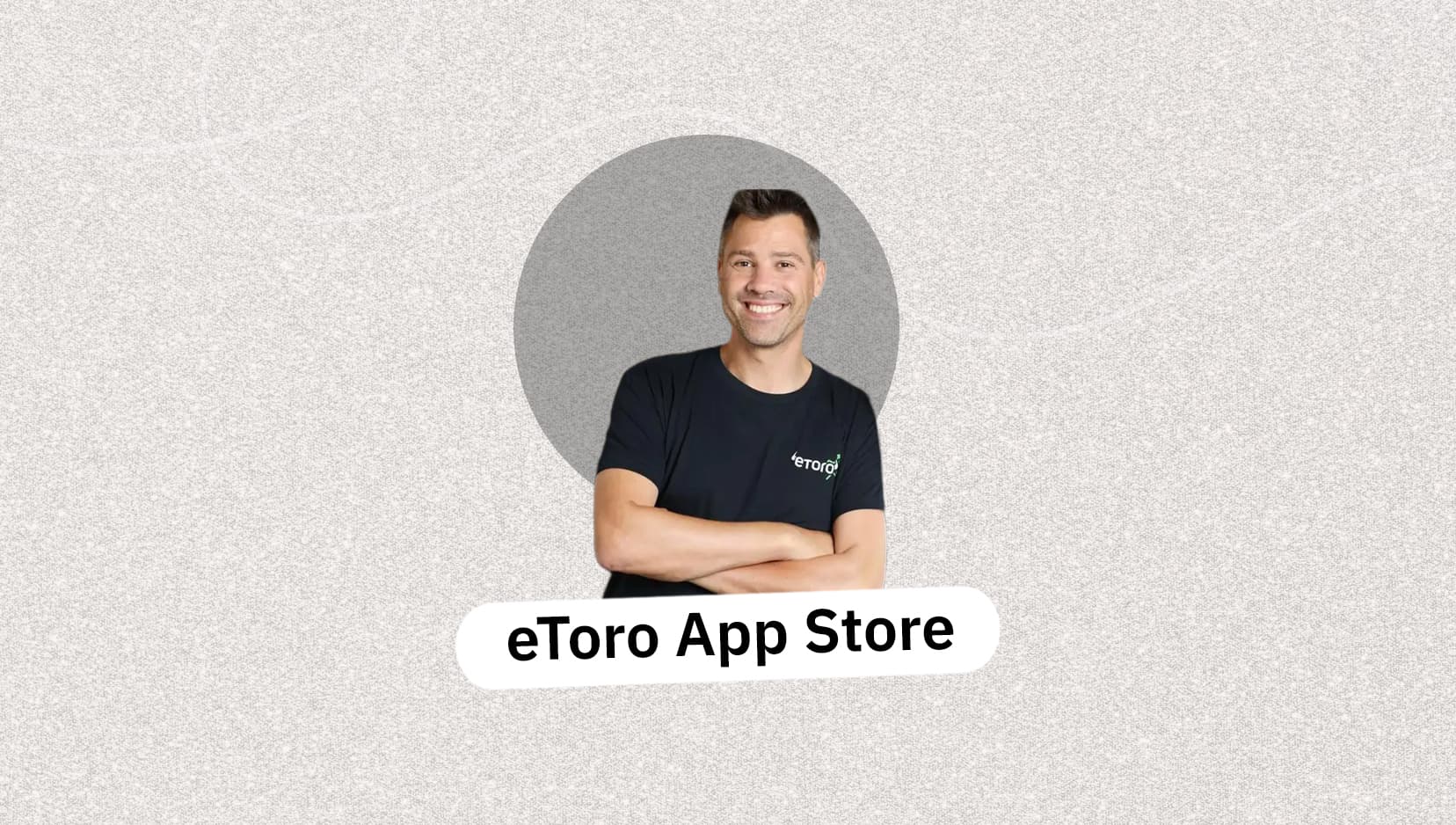
eToro is doubling down on the idea that investing should feel more like building than just buying and selling. This week, the trading and investing platform unveiled the eToro App Store, a new in-platform marketplace designed to let developers and investors create, share and install trading and analytics applications directly inside the eToro ecosystem.
The move, announced from Abu Dhabi, signals a push towards what the company describes as a “builders economy” for investing. In simple terms, it means opening the doors to developers, quantitative strategists, startups and even everyday users who want to design tools for analysing markets, automating trades or tracking portfolios, and then distribute them to eToro’s global user base, which now stands at around 40 million registered users across 75 countries.
I’ve seen many startups in MENA talk about empowering their communities, but what’s interesting here is how literal this feels. At Arageek, we’re always chuffed to bits when platforms hand real tools to users instead of just catchy slogans. And believe it or not, in fintech, that’s still not the norm.
Alongside the App Store, eToro has rolled out a dedicated builders portal. This gives third-party developers structured access to APIs, agent skills, an MCP server, CLI tooling, technical documentation and other resources needed to build applications that sit neatly within eToro’s infrastructure. For non-technical readers, APIs are essentially bridges that allow different software systems to talk to each other, a bit of plumbing behind the scenes, well… I mean, quite important plumbing.
The idea is straightforward: partners can develop apps and distribute them to millions of users through the platform. There’s also an AI-powered, no-code route for users who don’t necessarily write code but still want to create and publish their own tools. So if you’re a seasoned trader who has figured out a clever way to monitor risk or rebalance a portfolio, you could theoretically turn that into a scalable solution.
At launch, the App Store includes a selection of applications focused on enhancing the investing experience with automation and deeper insights. These apps plug directly into core functions of the platform. That covers algorithmic trading with low-latency order execution, social analytics to track Pro Investors and Smart Portfolios, and market monitors streaming price data across crypto, stocks, ETFs and commodities.
There are also portfolio tools for rule-based rebalancing and profit-and-loss tracking, smart watchlists for managing private and public lists, and integrations with feeds and community features that allow apps to pull or publish content. It’s quite a broad toolkit from day one, not just a token launch to test the waters.
Commenting on the launch, Yoni Assia, Co-founder and CEO of eToro, said that investing has always evolved alongside technology, but that artificial intelligence is accelerating change in ways few imagined a few years ago. He added that the App Store gives developers and quantitative experts direct access to millions of retail investors, while offering those investors more flexible, user-designed tools.
That said, opening a platform is one thing; ensuring quality and trust is another. I reckon the real test will be how well eToro balances innovation with oversight. When financial tools are involved, things can escalate quickly if standards slip, and that’s not just a minor faff.
The rollout is happening gradually across eligible markets, with more features and additional app categories planned throughout the year. For founders and fintech builders in the region, it’s another example of how platforms are shifting from closed systems to ecosystems. On the flip side, it also means more competition for attention inside the same marketplace.
Still, the direction is clear. Investing platforms are no longer just dashboards. They are becoming infrastructure layers where ideas can be built, shared and scaled. For MENA’s growing wave of fintech entrepreneurs, that’s definately a space worth watching closely.
🚀 Got exciting news to share?
If you're a startup founder, VC, or PR agency with big updates—funding rounds, product launches 📢, or company milestones 🎉 — AraGeek English wants to hear from you!





✉️ Send Us Your Story 👇