 LEAP26
 AI
AI Saudi Arabia
 UAE
UAE Egypt
EgyptHow to Launch an Online Store in Minutes with Genstore AI

5 min
Starting an online store feels “unnecessarily complicated”, with too many fragmented steps.
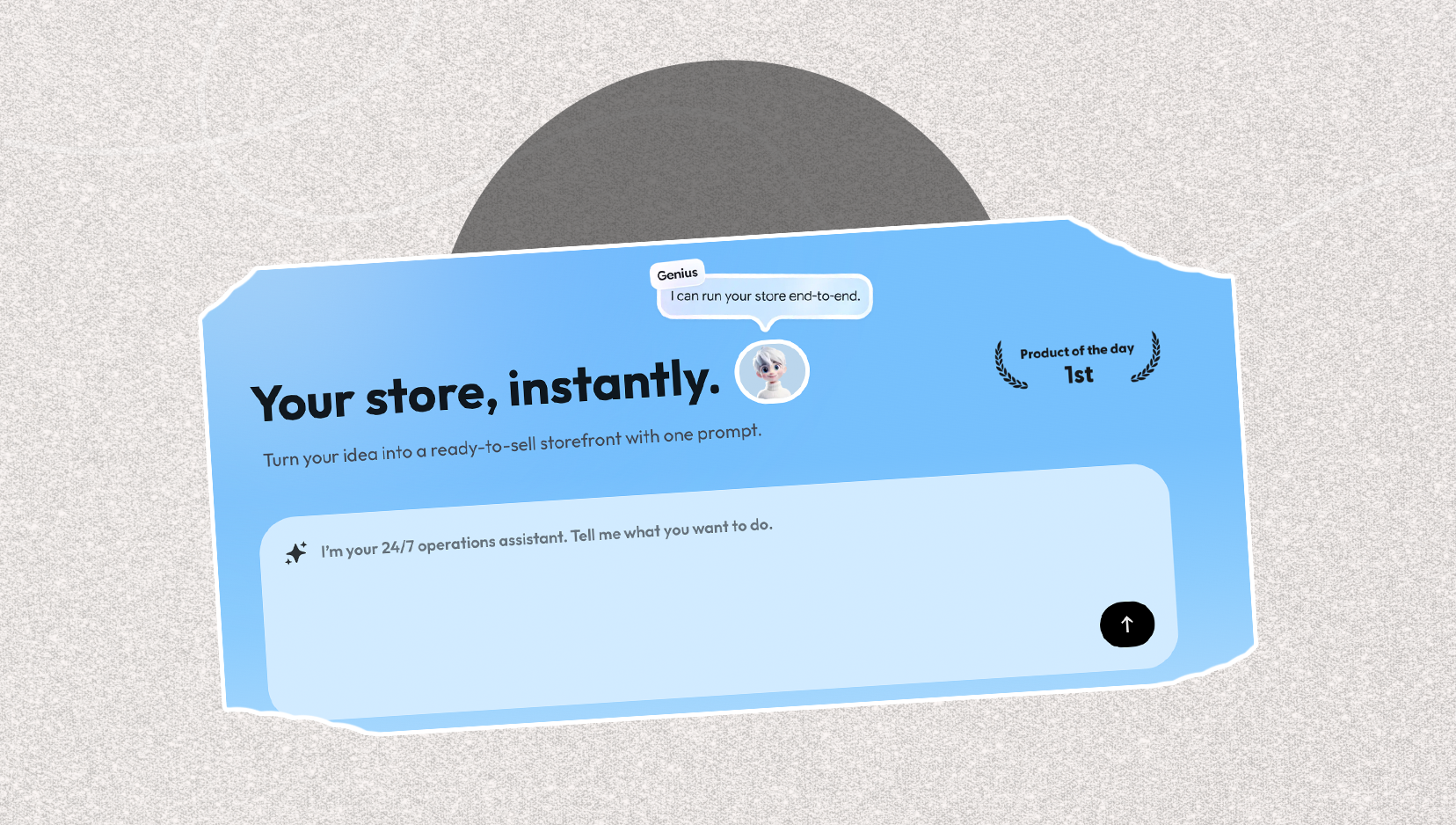
Genstore AI “builds the store for you”, generating structure, listings and design.
Built-in dropshipping, marketing and multi-channel selling reduce early risk and friction.
It favours speed over control, suiting beginners, creators and quick product tests.
Not endlessly flexible, but it gets shops “live” faster than most alternatives.
Let’s be honest for a second.
Starting an online store has never been more accessible—and somehow, still feels unnecessarily complicated.
I’ve seen people spend weeks:
- Picking a theme
- Watching Shopify tutorials
- Installing 10+ apps
- Still not launching anything
Not because they’re lazy… but because the process itself is fragmented.
That’s where tools like Genstore AI start to feel less like a “nice-to-have”… and more like a shift in how ecommerce gets built.
Why Starting an Online Store Still Feels Hard
On paper, launching a store sounds simple.
In reality, it usually looks like this:
You start with an idea → then get stuck choosing a platform → then realize you need:
- Design
- Product sourcing
- Copywriting
- Payment setup
- Marketing tools
And suddenly, you’re juggling five different problems before you’ve sold a single product.
That’s the part most beginner guides don’t really talk about.
What Genstore AI Actually Does
Genstore AI approaches this differently.
Instead of giving you tools to build a store…
It builds the store for you.
Not in a vague “AI-powered” sense—but in a very practical way.
It generates:
- Store structure (homepage, categories, product pages)
- Product listings
- Basic design aligned with your niche
So instead of starting from a blank page, you start from something usable.
And that changes the experience more than you’d expect.
How It Works (Without Overcomplicating It)
The flow is surprisingly straightforward.
You choose a store type—say fashion, beauty, or home products.
From there:
- The AI generates a complete store setup
- You review and adjust (if needed)
- You add products—or import them via dropshipping
- You publish
That’s it.
It’s not “instant success,” obviously—but it removes the setup friction that stops most people early on.
The Part That’s Actually Interesting: AI Agents
One thing Genstore does that stood out to me is the idea of “AI agents.”
Instead of one generic system, it splits roles:
- A product agent (handles listings and structure)
- A marketing agent (email/SMS flows)
- A campaign agent
- A basic analytics layer
Is it perfect? Not always.
But conceptually, it mirrors how a small ecommerce team would operate—just compressed into software.
Features That Matter (and Why They Matter)
Not everything here is new—but the way it’s packaged is.
AI Store Builder
You don’t start from zero.
For beginners, this alone removes a huge mental barrier.
Built-in Dropshipping (AliExpress via DSers)
This is important.
Because the real bottleneck for most new sellers isn’t the store—it’s the product.
Being able to import and test products quickly lowers the risk significantly.
Multi-Channel Selling
Selling directly through TikTok or marketplaces isn’t optional anymore—it’s expected.
Genstore leans into that early, which makes sense given how discovery works today.
Marketing Automation
Email and SMS are already integrated.
You don’t have to figure out:
- Which tool to use
- How to connect it
- When to trigger flows
It’s not deeply customizable—but it’s enough to get started.
Conversion Tools
Things like:
- Upsells
- Stock alerts
- Wishlists
These are usually afterthoughts for beginners.
Here, they’re baked in from the start—which is actually a smart decision.
Who This Is Really For
This isn’t for everyone.
But for a specific group, it makes a lot of sense.
- Someone launching their first store
- A creator trying to monetize an audience
- Someone testing product ideas quickly
- Side hustlers who don’t want to spend weeks setting things up
If you already run a complex ecommerce operation, you might find it limiting.
But that’s not really the target user.
Realistic Use Cases (Not Hypothetical Ones)
I think Genstore makes the most sense in scenarios like:
1. Testing a niche quickly
Instead of researching for weeks, you launch a basic store and validate demand.
2. Creator monetization
If you already have an audience, speed matters more than perfection.
3. Trend-based selling
Some products have short windows.
If it takes you a month to launch, you’ve already missed it.
Genstore vs Traditional Platforms
It’s not really a fair comparison—but it helps clarify things.
Traditional platforms (like Shopify):
- More control
- More customization
- But slower to launch
Genstore AI:
- Faster setup
- Lower complexity
- Less flexibility
So the trade-off is clear:
👉 Speed vs control
Pros (and Where It Falls Short)
What works well:
- Fast setup (this is the biggest win)
- Beginner-friendly
- Everything is in one place
- Lower initial risk
Where it might not be enough:
- Limited deep customization
- You’re relying on AI-generated structure
- Advanced users might outgrow it
And that’s okay—it’s not trying to replace everything.
How to Get Started (Without Overthinking It)
If you’re curious, the best way to approach it is simple:
- Pick a niche you’re already interested in
- Generate a store
- Add a few products
- Launch—even if it’s not perfect
Then iterate.
That’s probably the biggest mindset shift:
👉 Launch first, optimize later
Where This Is Going
I don’t think AI will replace ecommerce platforms.
But it will definitely change how stores get created.
Instead of:
- Building from scratch
- Then figuring things out
You’ll:
- Start with a working version
- Then improve it
That alone lowers the barrier for a lot of people who never start.
Final Thought
Most people don’t fail in ecommerce because of bad ideas.
They fail because they never get past the setup phase.
If a tool can remove that friction—even partially—that’s already valuable.
Genstore AI isn’t magic.
But it does something important:
👉 It gets you to “live” faster than most alternatives.



And sometimes, that’s all you need.