 GITEX Dubai
 Ai Everything
 LEAP26
 AI
AI Saudi Arabia
 UAE
UAE Egypt
EgyptNabta Health Secures $2M to Transform Women’s Healthcare Across MEA with AI

3 min
Nabta Health secured $2 million, upping total funding to $4,5 million.
The funds will enhance its AI-powered services blending virtual and community healthcare.
Nabta was highlighted on TIME Magazine’s Top HealthTech Companies 2025 list.
New funding supports the vision of improving women's healthcare in the Middle East and Africa.
CEO Sophie Smith emphasised women's health as both a moral and business issue.
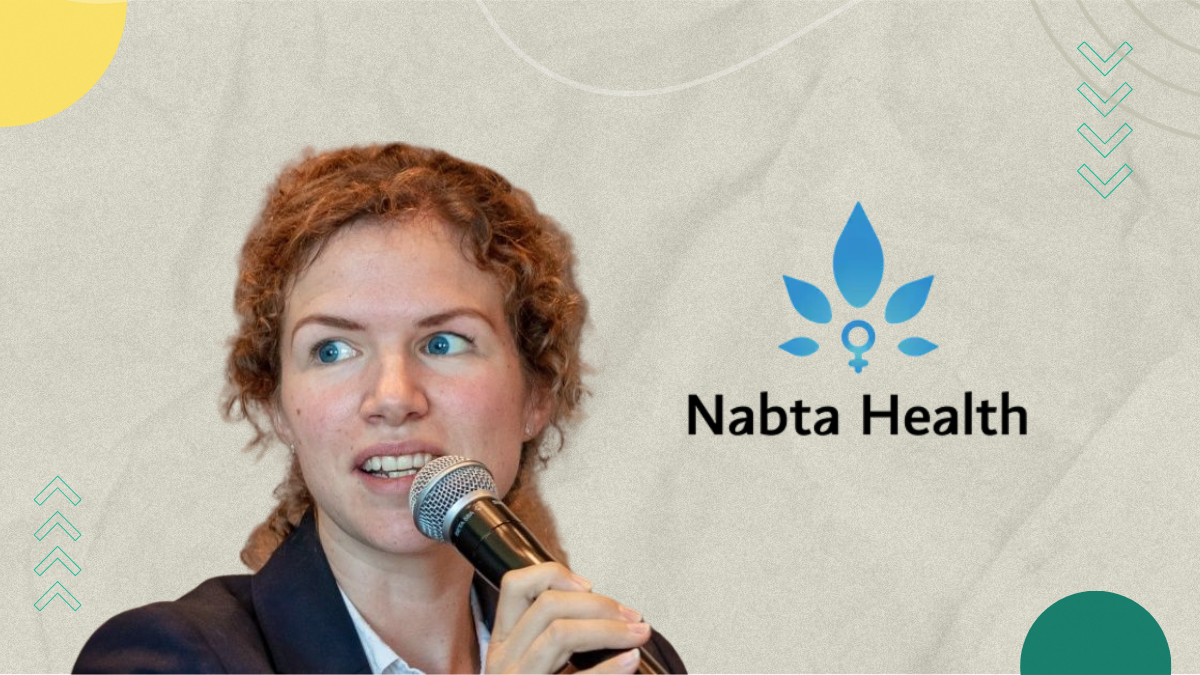
Nabta Health has wrapped up a $2 million Pre-Series A round, pushing its total funding to $4.5 million and giving fresh momentum to its ambition of reshaping women’s healthcare across the Middle East and Africa. I’ve met plenty of founders over the years through Arageek’s work with regional startups, and this kind of steady, purposeful growth always feels spot on—never flashy for the sake of it, but clearly moving with intent.
According to the company’s announcement, the new capital will help speed up the rollout of its AI-powered hybrid model, which blends virtual services with in‑clinic and community-based care. The plan is to build deeper partnerships with employers, insurers and healthcare providers, while also introducing new diagnostic options and at‑home testing. Nabta is also strengthening its clinical infrastructure by working with leading hospitals, an approach that—if you ask me—makes a lot of sense in a region where trust in healthcare systems varies widely.
It’s been a noteworthy year for the UAE-based startup. Nabta earned a place on TIME Magazine’s Top HealthTech Companies 2025 list, launched a Women’s Health Centre of Excellence alongside Clemenceau Medical Center Hospital Dubai, and broadened its corporate health solutions across the region. All of this points to a business hitting its stride rather than simply making noise for investors’ sake.
Founder and CEO Sophie Smith said the new funding “validates our vision” of reimagining women’s health through a culturally aware, AI-enabled model that meets women where they are. She noted that the goal now is to accelerate growth so more women and employers can benefit from affordable, mobile-first care designed, in her words, “for sovereignty”. And believe it or not, that last point about sovereignty comes up more often in regional conversations than people outside the ecosystem might expect.
Smith also highlighted the growing awareness among employers and insurers that addressing women’s health isn’t merely a moral issue but a business one tied to productivity. On the flip side, bridging that gap between intention and actual change can still be a bit of a faff—something I’ve heard echoed again and again in panels and founder meetups.
Nabta’s chair, Iain McMillan, described the round as confirmation that the company is becoming a “key enabler” of better women’s health in the region. He pointed to strong traction and a growing customer base throughout 2025, adding that he expects even greater acceleration heading into 2026.
I reckon Nabta’s moment reflects a broader shift we’ve been watching across the MEA startup scene: women’s health is finally getting the attention—and the investment—it’s long deserved. And yes, I’m chuffed to bits to see more founders tackling problems that once felt pushed to the sidelines, even if the road ahead is still, well… not always as smooth as we’d like. As Arageek readers know, backing ventures that put real impact first is definately one of the things that keeps this ecosystem buzzing.
🚀 Got exciting news to share?
If you're a startup founder, VC, or PR agency with big updates—funding rounds, product launches 📢, or company milestones 🎉 — AraGeek English wants to hear from you!
✉️ Send Us Your Story 👇