 LEAP26
 AI
AI Saudi Arabia
 UAE
UAE Egypt
EgyptNeura Robotics lands €1B as Tether and Qatar back AI push

3 min
Sheikh Hamad backed Germany’s Neura Robotics via Prime Capital SA.
A €1 billion round, led by Tether, valued it near €4 billion.
Neura builds “cognitive robotics” that adapt, learn and work with humans.
Clients include Kawasaki and Omron, with nearly $1 billion in orders.
Middle Eastern capital is flowing into advanced European AI-driven systems.
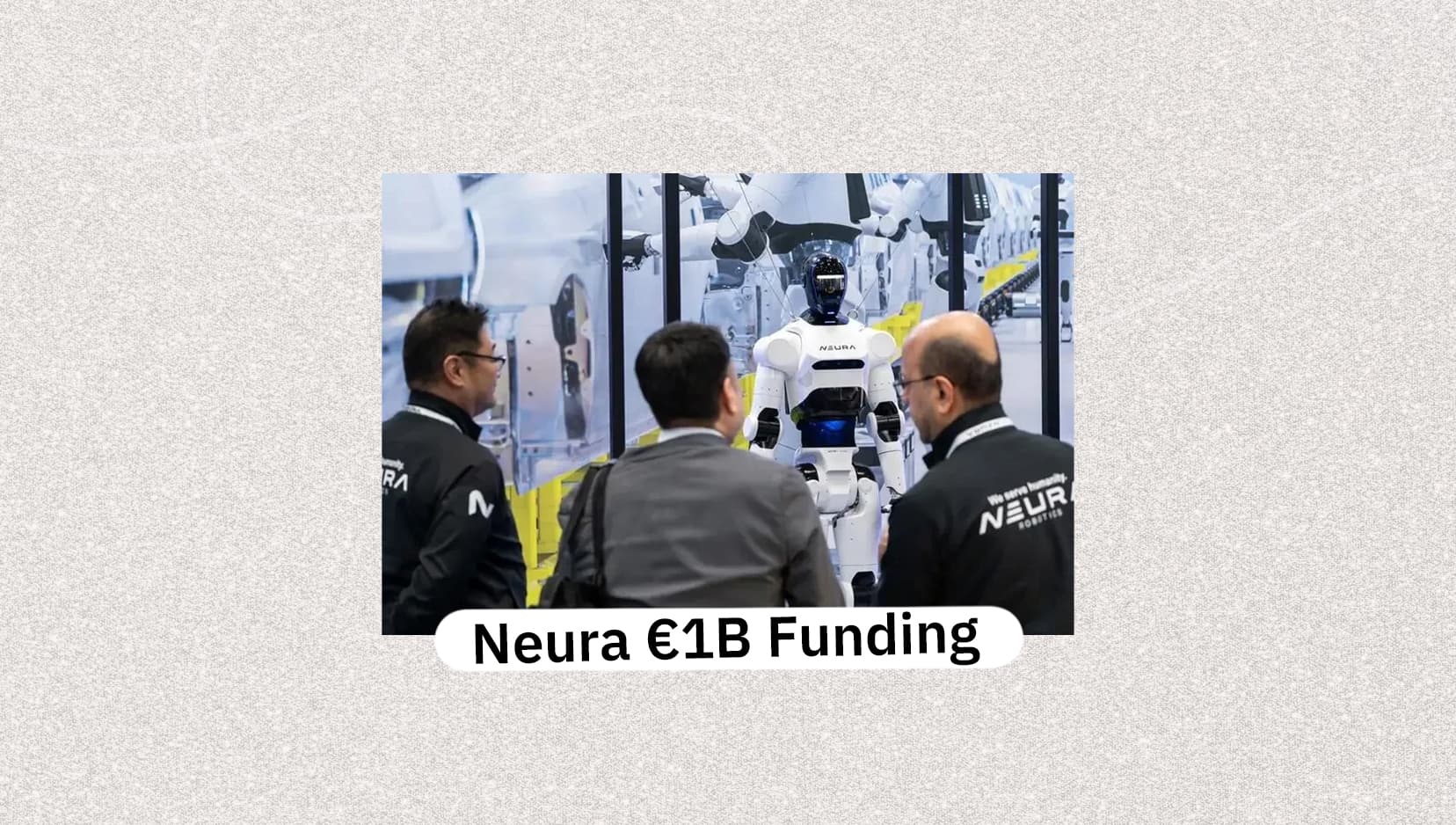
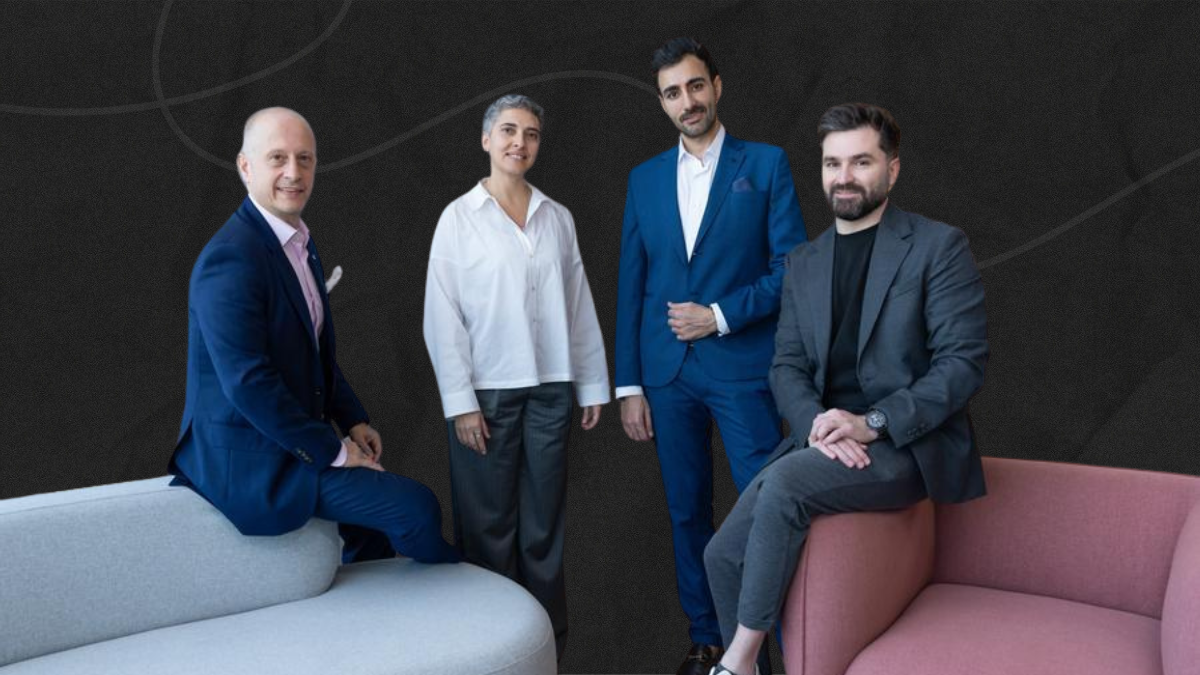
Sheikh Hamad bin Jassim bin Jaber Al Thani, the Qatari billionaire and former Prime Minister, has backed German robotics startup Neura Robotics through his Luxembourg-based holding company, Prime Capital SA. The firm, which manages investments across property and banking, joined a heavyweight funding round that pulled in roughly €1 billion (about $1.2 billion).
It was not a small table of investors. Tether Holdings led the round, with participation from names like Amazon, Qualcomm Ventures, Robert Bosch GmbH, Schaeffler AG and Roland Berger. The deal gives the Metzingen-based company a valuation of around €4 billion ($4.62 billion), placing it firmly among Europe’s most closely watched deep-tech ventures.
Neura Robotics focuses on what it calls cognitive robotics, machines designed to interact intelligently with people and their surroundings. In plain terms, these are robots that do not just follow preset commands but adapt, learn and respond. I still remember attending a tech exhibition a few years ago and watching a humanoid robot shake hands with visitors; it felt like something out of science fiction, yet here we are. For startups across the MENA region following Arageek, this kind of leap is both inspiring and, well… a bit mind-bending.
Chief executive David Reger has reportedly said the company secured close to $1 billion in orders last year alone. Its clients include industrial heavyweights such as Kawasaki Heavy Industries and Omron. Neura’s machines are already at work: robotic arms and transport robots inside factories, even automated systems sorting laundry, a task that, until recently, was definately not seen as high-tech.
With the fresh capital, Neura plans to double down on product development and expand across manufacturing, healthcare and broader automation markets. That said, the ambition goes beyond incremental upgrades. The company has showcased humanoid systems at major international fairs, signalling its push into next-generation robotics where machines collaborate more naturally with humans.
For Sheikh Hamad, the move fits a familiar pattern. During his time connected to the Qatar Investment Authority, he was involved in high-profile European investments including Glencore, Barclays and Harrods. On the flip side, this latest bet underlines how Middle Eastern capital is increasingly flowing into advanced European tech, not just real estate or traditional finance, but complex AI-driven systems that could reshape industries.
Analysts suggest the global market for AI-powered robotics and autonomous systems could approach $1 trillion by 2035. I reckon that number doesn’t look so far-fetched when you see manufacturers racing to automate and healthcare providers searching for smarter support tools. It’s not all plain sailing, of course, regulation, safety, and workforce adaptation remain big questions, but momentum is clearly building.
For entrepreneurs in our region keeping an eye on global trends, this development feels spot on. Deep tech is no longer confined to Silicon Valley clichés. It is attracting serious capital from Doha to Luxembourg to southern Germany, stitching together an ecosystem that feels far more interconnected than it did a decade ago. And believe it or not, that interconnectedness might be the real story here.