 LEAP26
 AI
AI Saudi Arabia
 UAE
UAE Egypt
EgyptWideBot Partners with Al-Daheeh to Demystify AI for Middle East Viewers

3 min
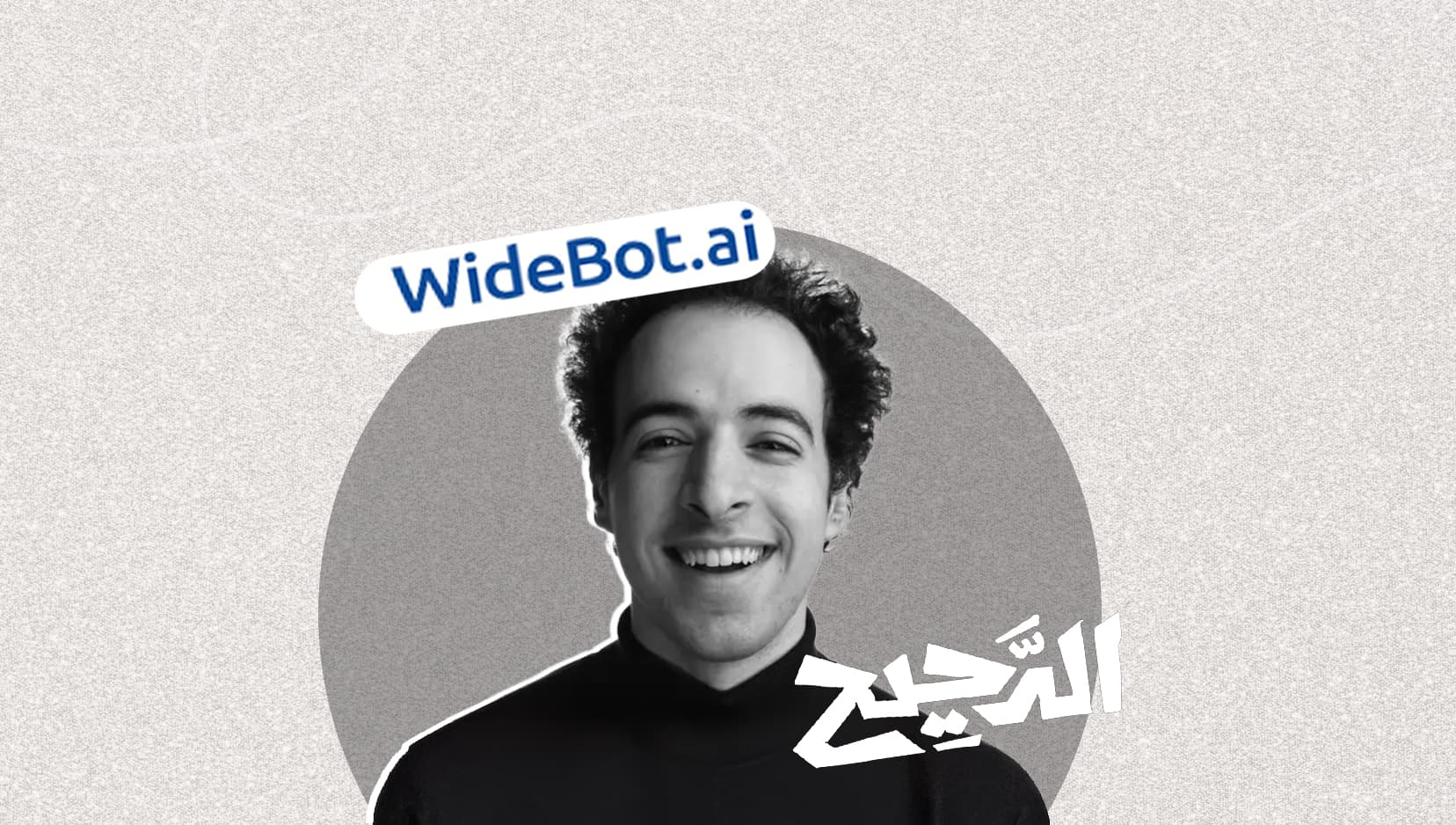
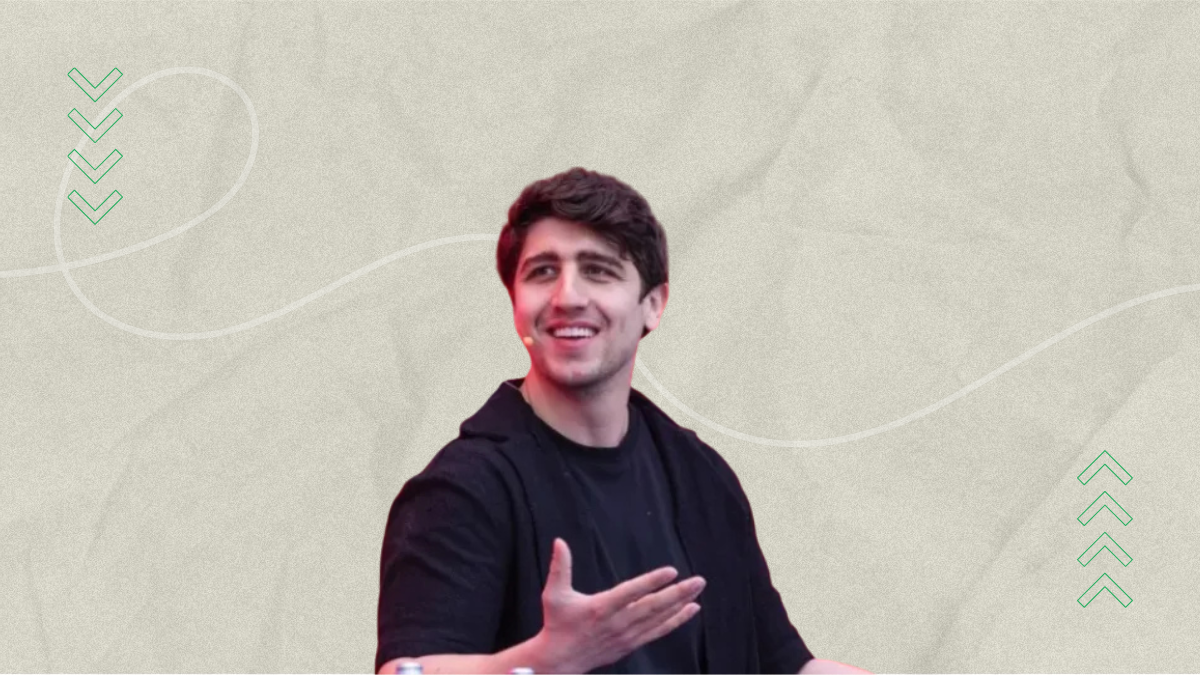
WideBot is partnering with “Al-Daheeh” presenter Ahmad Al-Ghandour on a new AI series.
The aim is to make artificial intelligence less intimidating and more relatable.
Al-Ghandour brings 4.
7 billion views and strong regional trust.
The collaboration seeks to shift perceptions “from fear to familiarity”.
It reflects a broader push for AI literacy across the Middle East.
Artificial intelligence still feels, to many people, like something locked inside labs or buried in code. So when a regional AI startup decides to take the conversation to YouTube screens and living rooms, it does make you pause.
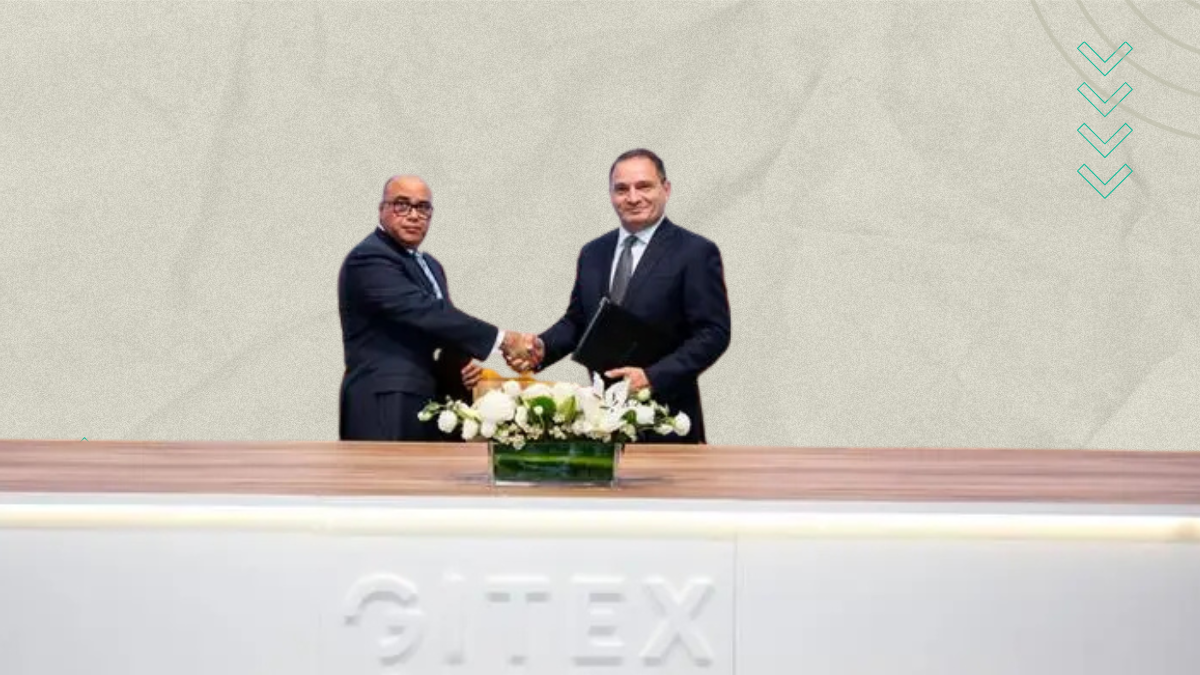
Middle East-based AI company WideBot has announced a collaboration with Ahmad Al-Ghandour, the popular presenter behind the science show “Al-Daheeh”, to launch a new educational series titled “A Mind in Al-Ghandour’s Hospitality”. The partnership was revealed during WideBot’s participation as an official sponsor at the AI Everything MEA Summit in Egypt, where the company underlined its focus on strengthening public understanding of AI.
The idea is straightforward: make artificial intelligence less intimidating and more relatable. WideBot says the goal is to demystify AI and explain how it fits into everyday life, rather than keeping it boxed inside technical or corporate circles. That shift matters. I’ve met many early-stage founders across MENA who are building clever AI-powered solutions, yet still struggle to explain them to their own families — well… I mean, that tells you something about the communication gap.
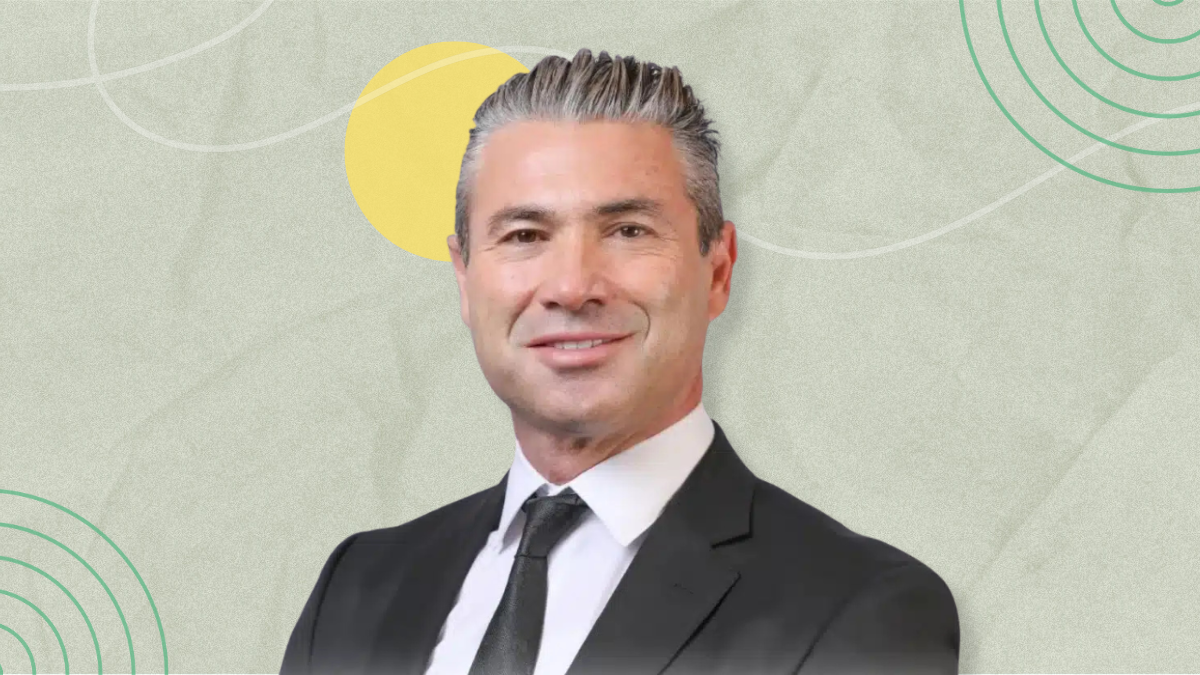
Al-Ghandour is hardly an unknown face. His programme “Al-Daheeh” has racked up over 4.7 billion views across platforms, breaking down complex scientific topics into digestible Arabic-language content. He was also named on the Forbes 30 Under 30 Middle East list, recognition that reflects his regional impact in science communication. For a startup like WideBot, teaming up with someone who already has that level of trust and reach is, frankly, spot on.
According to the announcement, both sides share the ambition of reducing public anxiety around advanced technologies such as AI. It’s about shifting the narrative from fear to familiarity. On the flip side, expectations will be high. With such a massive existing audience, the series will need to deliver substance, not just slick production.
WideBot’s broader strategy appears to centre on building a healthier AI ecosystem in the region through awareness and media engagement. The company sees education as a critical ingredient for long-term adoption, and I reckon that’s a sensible bet. You can build world-class tools, but if people don’t understand them, adoption becomes a bit of a faff.
And believe it or not, this type of collaboration between tech startups and science communicators is still relatively rare in the region. Many founders focus solely on product or funding rounds. Fewer invest time in shaping how society perceives the technology itself. In that sense, WideBot’s move feels timely.
For readers who follow Arageek, the bigger picture is what makes this interesting. AI literacy is not just a buzzword; it’s becoming a regional necessity. As governments double down on digital transformation strategies, from Egypt to the Gulf, having content that explains, clearly and confidently, how these systems work could play a quiet but powerful role in shaping public trust.
The new series is expected to roll out in the coming period, with the aim of sparking wider conversations about AI’s applications and impact. Whether it fully changes perceptions remains to be seen. But one thing is clear: bringing AI out of the server room and into mainstream cultural dialogue is definately a step in a new direction for the ecosystem.
🚀 Got exciting news to share?
If you're a startup founder, VC, or PR agency with big updates—funding rounds, product launches 📢, or company milestones 🎉 — AraGeek English wants to hear from you!
✉️ Send Us Your Story 👇