 GITEX Dubai
 Ai Everything
 LEAP26
 AI
AI Saudi Arabia
 UAE
UAE Egypt
EgyptNZ Telecom Giants Unite to Combat Fraud with Shared Network APIs

4 min
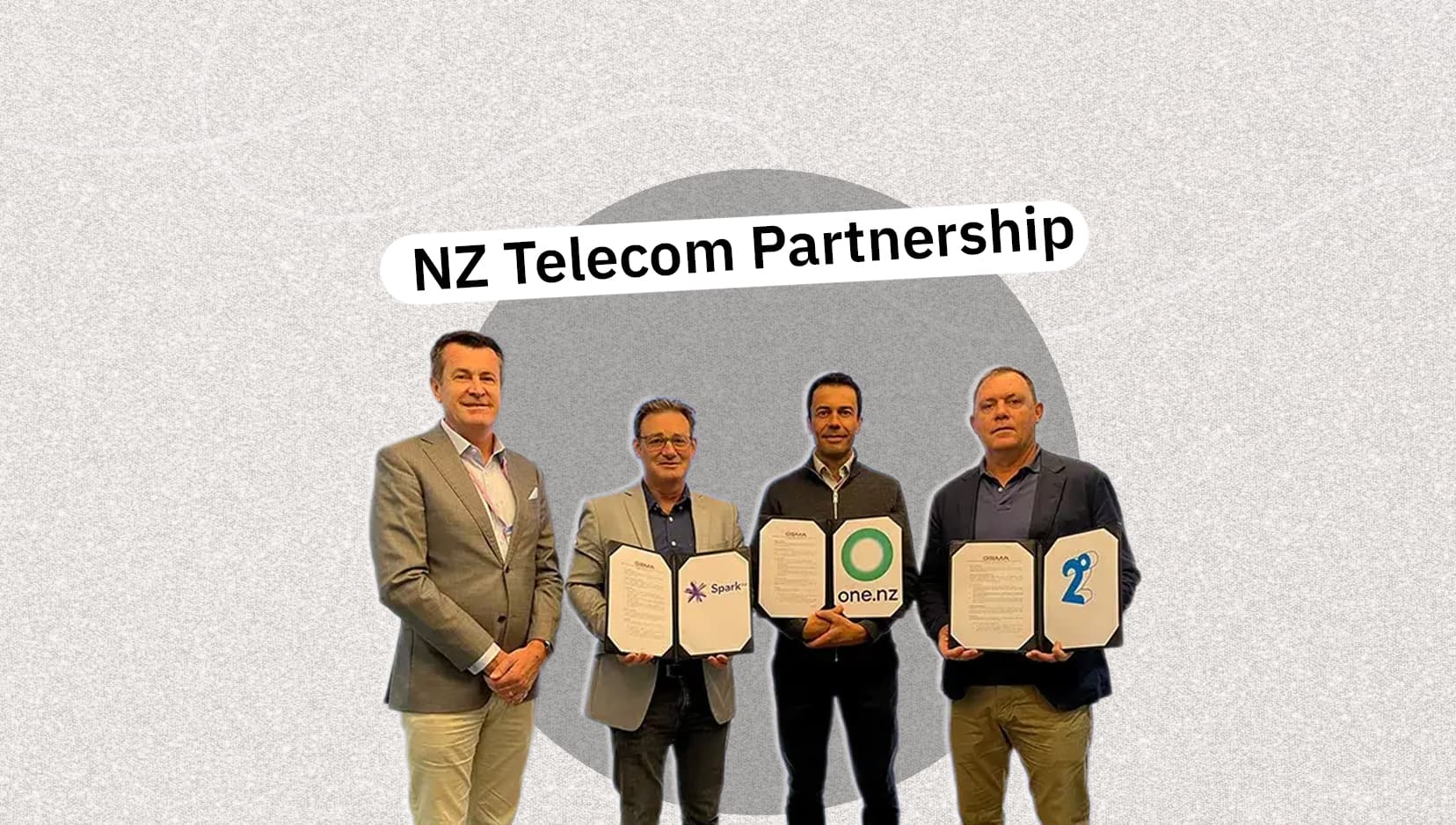
New Zealand telcos signed an MoU under the GSMA Open Gateway initiative.
They will build standardised network APIs to combat rising scams.
“Number Verification” and “SIM Swap” aim to stop fraud in real time.
The scheme aligns with global Open Gateway standards, spanning 300 networks.
Unified APIs are in development, with rollout expected later this year.
Scams have become a bit of a nightmare for customers and businesses alike. One minute everything looks normal, the next minute someone’s identity is compromised. I’ve seen startups in our region struggle with fraud issues that nearly knocked the wind out of their growth plans, so when I read about telecom operators teaming up to tackle this head-on, it feels spot on.
In New Zealand, Spark, One NZ and 2degrees have signed a Memorandum of Understanding under the GSMA Open Gateway initiative. The move will see the three telcos collaborate on standardised network APIs, the digital connectors that allow apps and services to communicate with each other securely and automatically. In simple terms, APIs are the invisible bridge making digital experiences smoother and faster.
The first priority? Fraud and scam prevention. More specifically, APIs such as “Number Verification” and “SIM Swap”. These tools are designed to help businesses confirm in real time that a customer’s phone number is still linked to their account and hasn’t been hijacked. If anything suspicious is detected, say, an unauthorised SIM swap, the transaction can be paused or stopped before damage is done.
Think about an online banking payment. Instead of relying on a one-time password sent by SMS, which can sometimes be intercepted, the bank can quietly check through a secure API whether the phone number is still valid and safe. It all happens behind the scenes. Less friction for customers, stronger protection overall. In sectors like banking, e-commerce and digital payments, that kind of reassurance is gold dust.
The collaboration sits within the broader GSMA Open Gateway framework. Through it, operators around the world are building shared and compatible APIs that developers can integrate more easily across different networks. The technical guidelines are shaped by CAMARA, an open-source project backed by the GSMA and the Linux Foundation, aimed at aligning telecom APIs globally.
Mark Beder, Chief Commercial Officer at Spark, said the partnership ensures the industry innovates together to keep customers safe, while making it simpler for businesses to access secure and seamless network capabilities. Kieran Byrne, Chief Technology Officer at One New Zealand, pointed out that joining the initiative allows operators to work collectively and use telecom infrastructure to address some of the country’s major challenges. Meanwhile, 2degrees Chief Executive Mark Callander stressed that protecting customers demands cross-industry cooperation and standards-based interoperability.
From the GSMA side, Henry Calvert, Head of Networks and Open Gateway, described the development as further momentum behind a shared global approach to network APIs. And believe it or not, the numbers are quite telling: 85 operator groups, representing more than 300 mobile networks and roughly 80% of global mobile connections, are already part of the Open Gateway community.
The announcement coincided with Mobile World Congress Barcelona 2026, where Open Gateway continues to gather pace, with more operators committing to commercial network API services. The unified Number Verification and SIM Swap APIs from Spark NZ, One NZ and 2degrees are currently in development and expected to roll out later this year.
On the flip side, collaboration between competitors is never completely straightforward — let’s be honest, it can be a bit of a faff aligning standards and commercial interests. But when it comes to customer trust, I reckon there’s little room for hesitation. Digital trust is becoming the backbone of online business. Without it, growth stalls.
For founders reading Arageek from across MENA, there’s something to take away here. Real-time verification, interoperable infrastructure, cross-operator cooperation — these are not just technical upgrades. They are building blocks for safer digital economies. And well… if more industries start thinking this way, we might see fewer headlines about fraud and more about innovation. That would be definitly welcome.
🚀 Got exciting news to share?
If you're a startup founder, VC, or PR agency with big updates—funding rounds, product launches 📢, or company milestones 🎉 — AraGeek English wants to hear from you!
✉️ Send Us Your Story 👇