 LEAP26
 AI
AI Saudi Arabia
 UAE
UAE Egypt
Egypt“Ooredoo and Rafay Systems Unleash Sovereign AI Cloud Platform in Qatar”

3 min
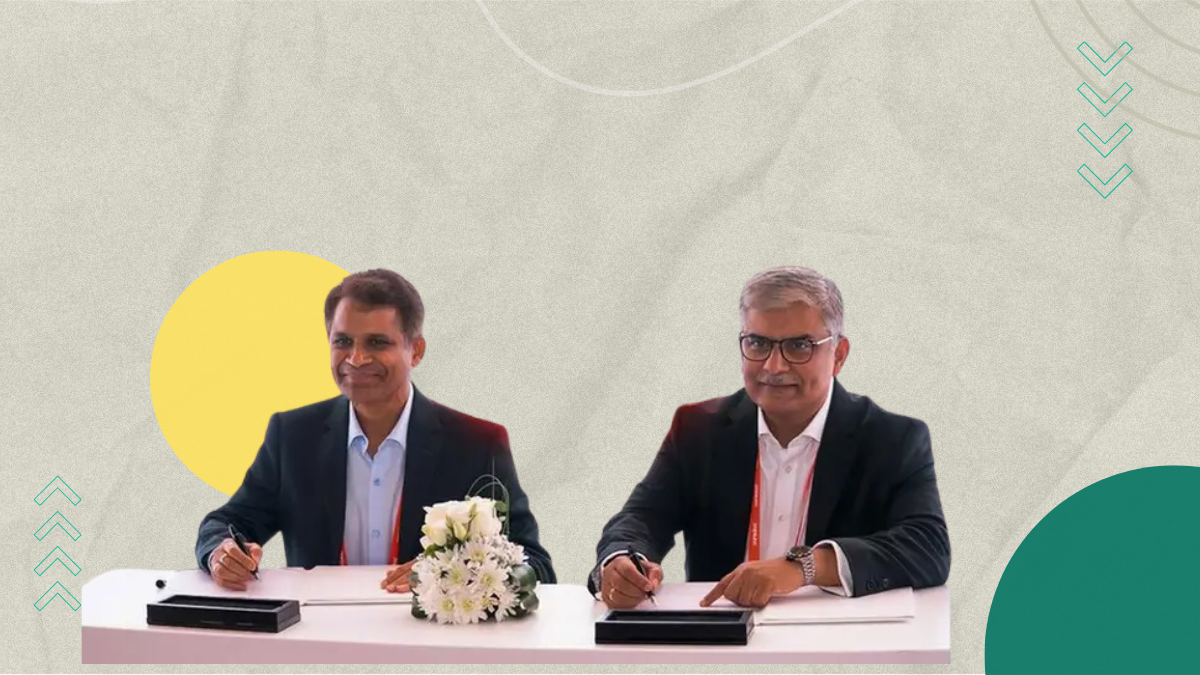
Ooredoo teams up with Rafay Systems to launch an AI platform in Qatar.
The platform helps enterprises build AI tools while keeping data within Qatar's borders.
This move supports sectors like banking and healthcare with NVIDIA-powered AI capabilities.
Local businesses gain access to GPU resources and AI model tools through Rafay’s platform.
This partnership strengthens Qatar's push for digital sovereignty and innovation.
Ooredoo has taken another step into Qatar’s fast‑evolving AI landscape, teaming up with Rafay Systems to roll out a new platform designed to help enterprises build and deploy advanced AI tools without sending their data abroad. I’ve heard plenty of founders around Arageek circles fret about data leaving the country—it can be a bit of a faff when regulations kick in—so this idea of a fully sovereign AI cloud will likely land well with local teams.
The partnership builds on Ooredoo’s recent deployment of NVIDIA-powered infrastructure inside Qatar, giving organisations the compute power and generative AI models they need for everything from fraud detection in banks to AI-driven diagnostics in hospitals. Energy companies, too, are expected to benefit from predictive maintenance tech, which always feels like one of those “unseen but essential” innovations. I reckon this move will nudge more traditional industries to experiment with AI, even if just to keep pace.
Sheikh Ali Bin Jabor Bin Mohammad Al Thani, CEO of Ooredoo Qatar, framed the collaboration as a way of putting GPU-accelerated AI directly into the hands of local businesses, saying it shortens the path to innovation while keeping all data sovereign. Spot on, considering how sensitive some sectors are about compliance and governance.
Through Rafay’s platform, companies will get self‑service access to GPU resources, model workbenches, and the tools needed to train or fine‑tune AI models. Everything sits within Qatar’s borders, with built‑in oversight and clear cost tracking. And believe it or not, the NVIDIA stack—like NIM and NeMo microservices—is already baked into Rafay’s system, so Ooredoo doesn’t have to do extra integration work. That said, the real test will be how quickly enterprises adopt it; not everyone jumps to new tech even when it’s gift‑wrapped.
Rafay’s co-founder and CEO, Haseeb Budhani, described the collaboration as a way to bring GPU PaaS and NVIDIA-backed AI capabilities to regional enterprises, emphasising the ability for customers to deploy and scale AI models efficiently and with full sovereignty. On the flip side, some startups might still find high-end AI compute pricey… well, I mean, who hasn’t stared at a cloud bill in disbeleif?
Still, given Ooredoo’s wider reputation as Qatar’s leading communications provider—covering mobile, broadband and managed services—this expansion into sovereign AI infrastructure doesn’t feel out of place. It fits the region’s push to build homegrown digital capabilities, something I see echoed often in conversations with founders across the MENA ecosystem. And if this partnership cuts down the headaches usually tied to AI experimentation, plenty of teams will be chuffed to bits.
🚀 Got exciting news to share?
If you're a startup founder, VC, or PR agency with big updates—funding rounds, product launches 📢, or company milestones 🎉 — AraGeek English wants to hear from you!



✉️ Send Us Your Story 👇