 Ai Everything
 LEAP26
 AI
AI Saudi Arabia
 UAE
UAE Egypt
EgyptSabic and Lenovo Pen MoU to Explore Tech Synergy in Saudi Arabia

4 min
Sabic and Lenovo signed an MoU to explore industrial innovation and knowledge transfer.
The deal is a "framework first", with no firm projects or rollout yet.
Sabic offers industrial know-how; Lenovo brings enterprise technology and digital infrastructure expertise.
The talks fit Saudi Arabia’s push for advanced manufacturing, digitalisation and capability building.
Real impact depends on future "specific use cases", investment, timelines and execution.
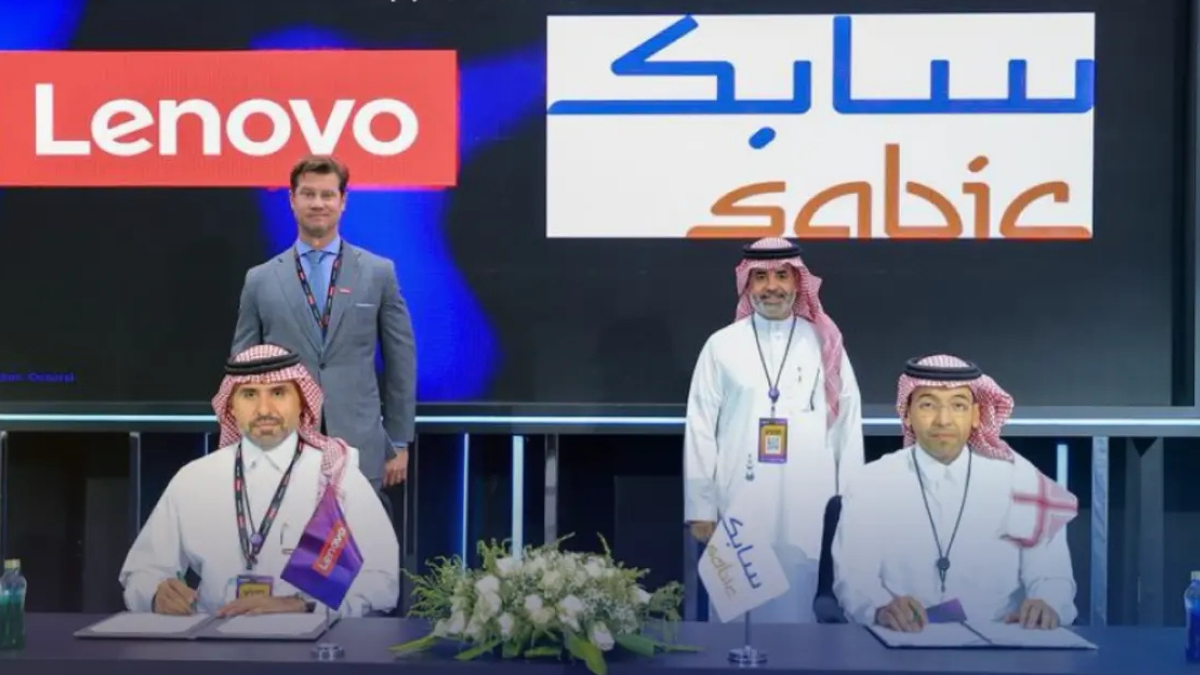
Sabic and Lenovo have signed a memorandum of understanding to explore working together on industrial innovation, advanced technology and knowledge transfer in Saudi Arabia and beyond, opening the door to possible joint initiatives but stopping well short of announcing any firm project.
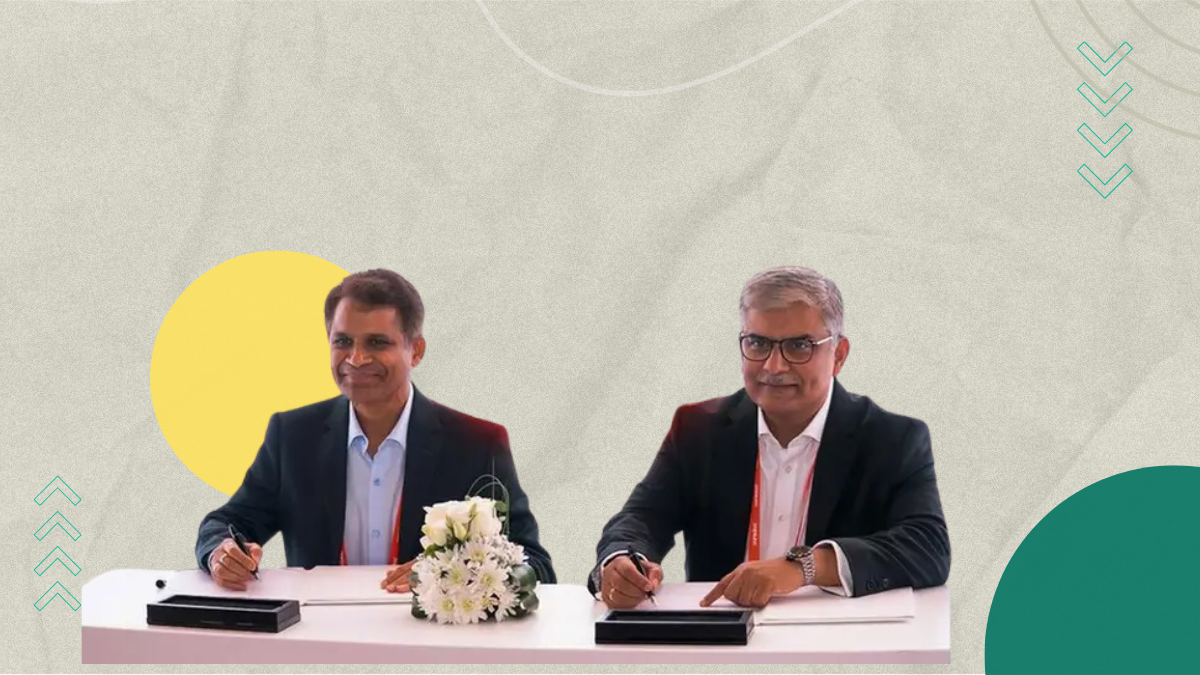
The agreement was signed on 1 September on the sidelines of LEAP 2026 in Riyadh, in the presence of Sabic CEO and Executive Board Member Dr Faisal Alfaqeer. That much is clear. What is also clear, and this matters a fair bit, is that this is an exploratory move rather than a finished plan. No deployment, no investment programme, no named technology rollout — at least not yet.
Instead, the MoU creates a framework for both companies to look at where their strengths might fit together. Sabic brings its deep background in petrochemicals and industrial operations, while Lenovo comes in with enterprise technology and digital infrastructure expertise. Put simply, they are testing the waters to see whether industrial know-how and digital capability can be combined in a useful way.
The stated focus is on industrial development, technological progress and sharing knowledge. In Saudi Arabia, that lands at a time when the Kingdom is putting serious weight behind advanced manufacturing, digitalisation and technology-led industry. Readers at Arageek will know this is not happening in isolation; it is part of a much wider push to turn industrial ambition into practical capacity on the ground.
Abdulrahman Shamsaddin, Sabic’s Executive Vice President for Petrochemicals, said such partnerships can help speed up capability building and knowledge exchange in the Kingdom. “The Kingdom is undergoing a significant industrial transformation, and partnerships such as this can play an important role in accelerating the development of advanced capabilities, fostering knowledge exchange, and creating new opportunities for sustainable economic growth,” he said.
From Lenovo’s side, the MoU offers another path into Saudi Arabia’s growing enterprise and industrial technology market. Tareq Alangari, Lenovo President for the Middle East, Türkiye and Africa, described Saudi Arabia as one of the world’s most dynamic markets for technology, innovation and advanced industry. Through this agreement, the two sides plan to examine where their expertise could support the Kingdom’s longer-term industrial goals.
That said, there is still a lot we do not know. No specific technologies have been named. No timeline has been put on the table. No implementation locations have been disclosed beyond a broad reference to Saudi Arabia and other international markets. It is, in other words, a framework first and a concrete business programme second — if it gets that far.
I reckon that distinction is spot on and worth repeating, because MoUs can sometimes sound bigger than they are. They may signal strategic intent, but they can also be a bit of a faff if they never move into actual deployments. On the flip side, this kind of early-stage alignment often matters in heavy industry, where projects are complex and nobody wants to rush in half-prepared.
More broadly, the deal reflects a trend that has been gathering pace for years: industrial companies and technology vendors are moving closer together as manufacturing becomes more dependent on data, automation, computing power and digital infrastructure. Believe it or not, some of the most important shifts in startup and innovation ecosystems do not always begin with flashy launches; sometimes they begin with quiet frameworks like this one, then grow into something far more meaningful.
I’ve seen founders across the MENA region get chuffed to bits over partnership announcements, only to realise later that execution is what really counts, you know? The same logic applies here. The real test will come when Sabic and Lenovo identify specific use cases, whether in AI, industrial computing, automation or wider digital infrastructure.
For now, the message is simple. Sabic and Lenovo have not launched a completed industrial technology programme. They have created a structure to explore one. The strategic upside could be substantial, but the commercial and operational impact remains undefined. That will definately depend on what comes next.
🚀 Got exciting news to share?
If you're a startup founder, VC, or PR agency with big updates—funding rounds, product launches 📢, or company milestones 🎉 — AraGeek English wants to hear from you!
✉️ Send Us Your Story 👇