 LEAP26
 AI
AI Saudi Arabia
 UAE
UAE Egypt
EgyptSaudi Arabia’s Leap to 85% Digital Payments Sets Regional Benchmark

3 min
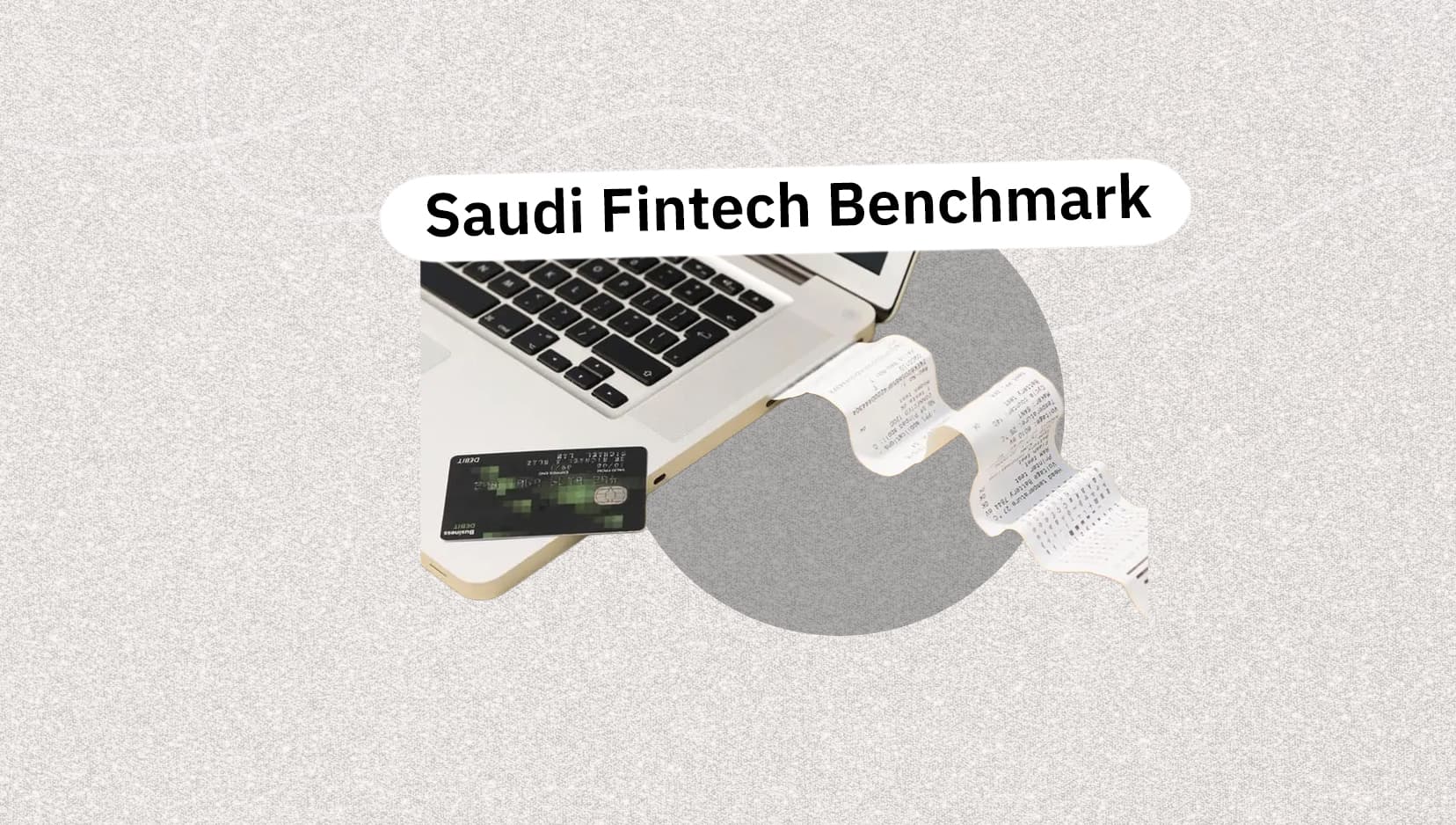
Electronic payments reached 85 per cent of retail transactions in 2025.
Transactions jumped to 14,6 billion, up two billion in a year.
Growth was driven by Mada, POS activity and booming e-commerce.
SAMA’s push to “reduce reliance on cash” backs Vision 2030 goals.
Saudi Arabia is no longer catching up, but “setting the pace”.
Saudi Arabia is moving steadily towards becoming a cash-light society. New figures from the Saudi Central Bank (SAMA) show that electronic payments made up 85 per cent of total retail transactions in 2025, up from 79 per cent the year before. For anyone building in fintech across the region, that’s not just a statistic, it’s a clear signal of where the market is heading.
In raw numbers, the shift is just as striking. Electronic transactions climbed to 14.6 billion in 2025, compared with 12.6 billion in 2024. That’s a jump of two billion transactions in a single year. You don’t get that kind of growth by accident.
SAMA linked the rise largely to higher volumes through its national payment systems, particularly the Mada network. Point-of-sale activity and e-commerce transactions played a central role, alongside growth across other domestic payment rails. In simple terms, more people are tapping cards, clicking “pay now”, or using digital wallets instead of reaching for cash.
If you’ve spent any time speaking to startup founders in Riyadh or Jeddah, you can feel this shift on the ground. I remember attending a small founders’ meetup a few years ago where a payments startup proudly announced they had onboarded a handful of merchants, and it felt like a big win at the time. Fast forward to today and digital payments are, well… almost second nature. What once felt ambitious is now standard practice. That kind of change doesn’t happen everywhere, and it certainly doesn’t happen overnight.
Of course, this progress didn’t just appear out of thin air. In recent years, SAMA has rolled out a series of initiatives alongside the financial sector to broaden payment options and strengthen the underlying infrastructure. The aim has been clear: reduce reliance on cash and push forward the goals of Vision 2030, which places digital transformation at the heart of Saudi Arabia’s economic diversification plans.
On the flip side, rapid digital adoption always raises questions about financial literacy, cybersecurity and inclusion. Still, I reckon the Kingdom’s steady, infrastructure-first approach has helped smooth what could have been a bumpy ride. Expanding POS terminals, supporting e-commerce growth, and investing in national systems like Mada creates a backbone that startups can plug into rather than rebuild from scratch. That’s spot on policy thinking, if you ask me.
For entrepreneurs across MENA reading Arageek, there’s something energising in these numbers. An 85 per cent digital payment share doesn’t just reflect consumer behaviour; it shapes business models. Subscription services become easier to scale. Marketplaces can operate with fewer cash-handling headaches. Cross-border ambitions feel less like a pipe dream.
That said, the last stretch towards a largely cashless economy will probably be the hardest. Behavioural habits take time to shift completly, especially in smaller towns or among older consumers. But with 14.6 billion digital transactions recorded in a single year, the direction of travel looks clear.
Saudi Arabia’s payments story is no longer about catching up. It’s about setting the pace, and for startups watching closely, that could make all the difference.
🚀 Got exciting news to share?
If you're a startup founder, VC, or PR agency with big updates—funding rounds, product launches 📢, or company milestones 🎉 — AraGeek English wants to hear from you!


✉️ Send Us Your Story 👇