 LEAP26
 AI
AI Saudi Arabia
 UAE
UAE Egypt
EgyptSaudi Arabia Awards First Open Banking Licence to Lean Technologies

4 min
Lean becomes first Major Payment Institution licensed for Open Banking by SAMA.
It moves from sandbox trials to a full regulatory framework.
The firm has connected over one million accounts and billion transactions.
Partners like Tamara report 32% higher approvals using verified cash-flow data.
The licence signals Open Banking as core infrastructure for Vision 2030 ambitions.
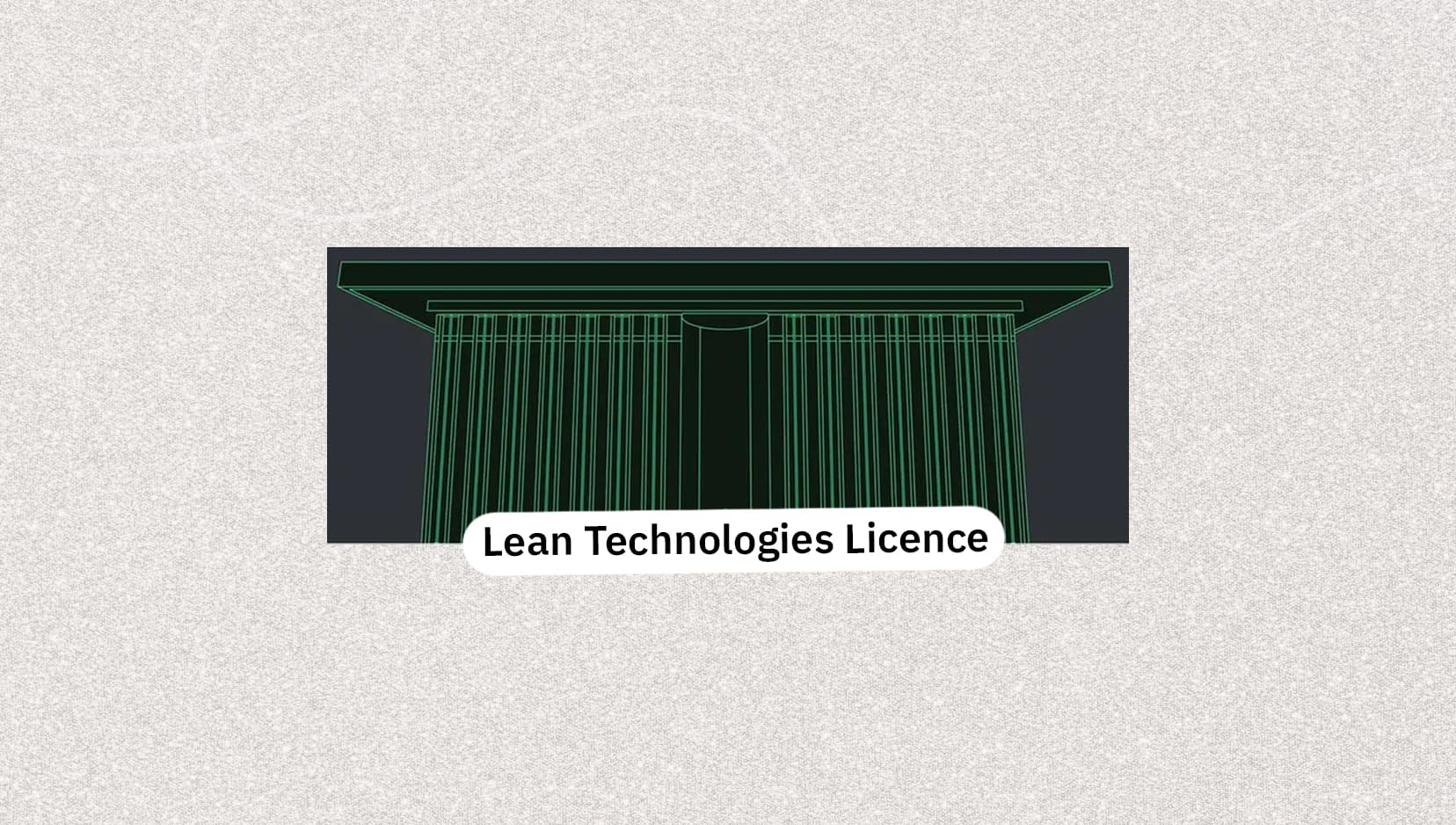
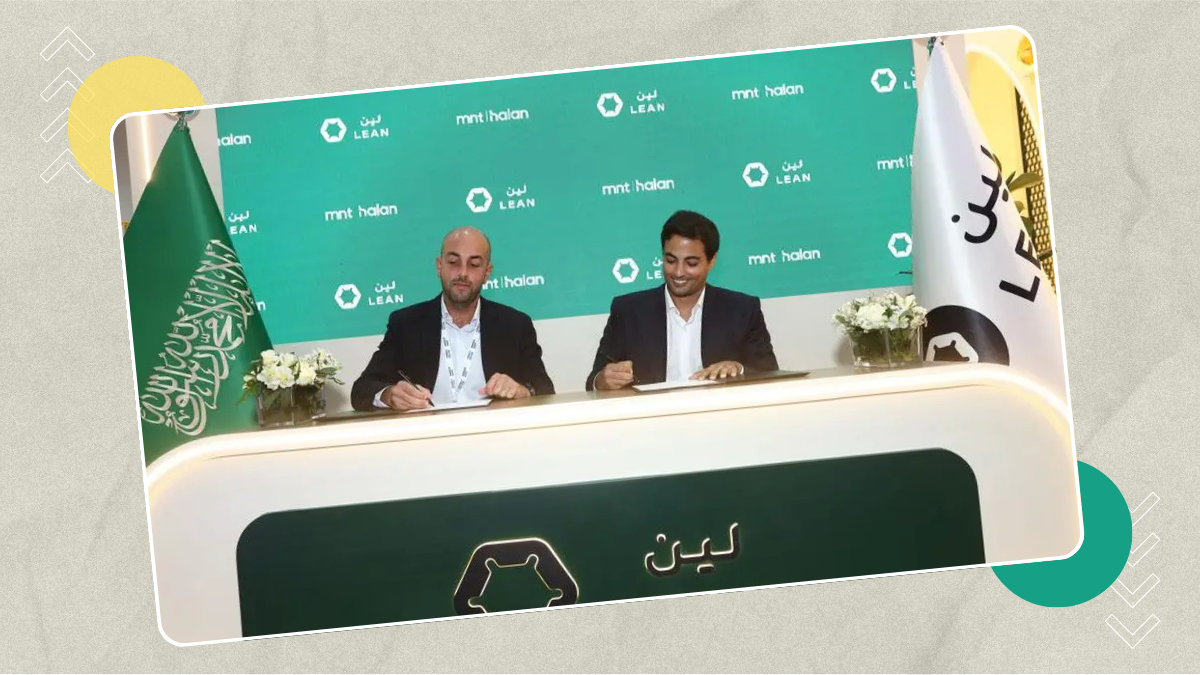
Saudi Arabia’s push to formalise its open banking framework has reached a notable milestone. Lean Technologies has been granted the first Major Payment Institution licence by the Saudi Central Bank (SAMA), allowing it to provide Open Banking services in the Kingdom under a full regulatory framework rather than a sandbox environment.
For anyone who has followed the region’s fintech scene, this feels like one of those moments when years of groundwork finally click into place. I still remember speaking with early-stage founders across MENA who struggled to access reliable financial data, it was always a bit of a faff, full of workarounds and manual processes. Open Banking promised to fix that. Now, in Saudi Arabia at least, it is no longer an experiment.
Lean’s journey to this point began inside SAMA’s Regulatory Sandbox, where it was admitted as one of the early participants. Under strict oversight, the company connected more than one million bank accounts and analysed over a billion transactions. That scale matters. It suggests Open Banking in the Kingdom is not just talk; it’s already embedded into real financial flows.
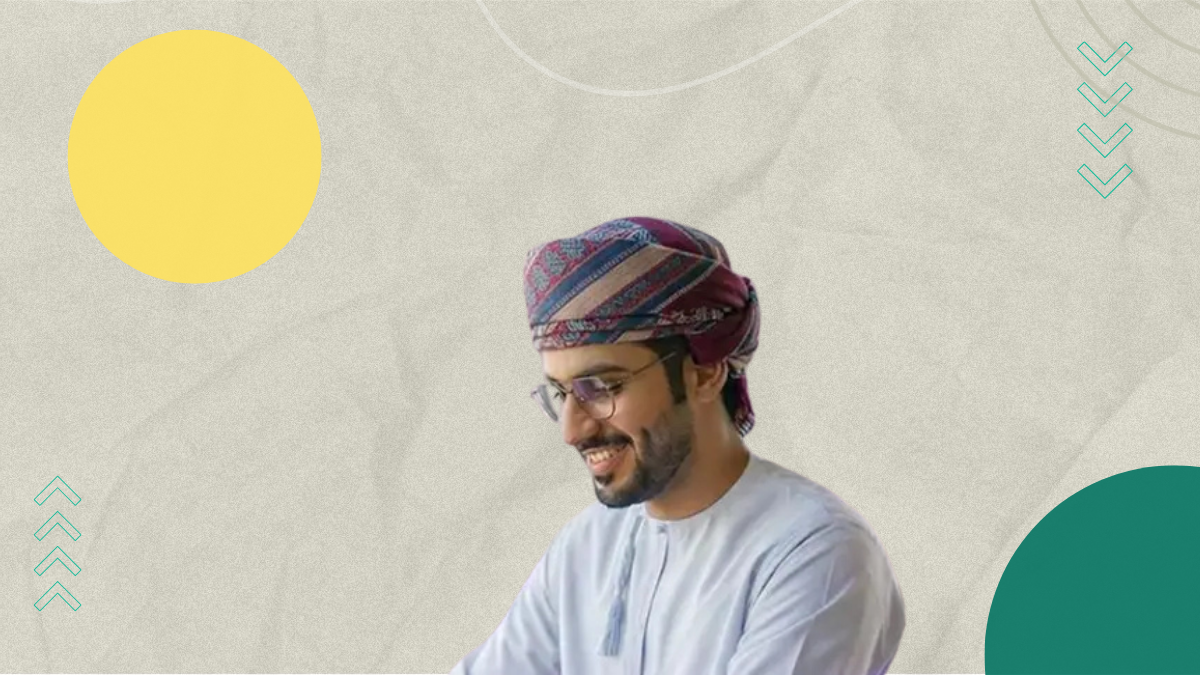
Hisham Al-Falih, Co-Founder and CEO of Lean Technologies, reflected on the company’s trajectory, saying the founding vision was built around the belief that regulated access to financial data would become the backbone of the next generation of Saudi financial services. He described the new licence as the formal validation of that thesis, adding that it gives Lean the regulatory standing and infrastructure to expand its reach to thousands of merchants, tens of thousands of SMEs, and millions of users across the country.
The company’s partnerships read like a who’s who of Saudi fintech and finance: Tabby and Tamara in buy-now-pay-later, Abdul Latif Jameel in automotive, Sukuk in investments, and Tasheel in government services. That breadth underlines a central point, Open Banking is increasingly viewed as core national infrastructure rather than a niche fintech add-on.
Tamara offers one of the clearest use cases. By integrating Lean’s data infrastructure, the BNPL player has been able to make better-informed underwriting decisions. Abdulmajeed Alsukhan, CEO and Co-Founder of Tamara, said access to verified, cash-flow data has allowed the company to serve customers who were previously difficult to assess, including freelancers and gig workers with multiple income streams. According to him, this contributed to a more than 32% increase in approval rates for its new consumer financing product, while supporting risk-adjusted growth.
That’s not a small tweak, it’s spot on the kind of tangible impact policymakers hope for. And believe it or not, the numbers behind the scenes are equally telling. Lean reports detecting over SAR 37 billion in salaried income and SAR 14 billion in non-salaried income across the Kingdom through its infrastructure. For lenders, this richer and real-time view of income can provide a more complete picture of affordability, potentially expanding access to credit without loosening risk standards.
Saudi Arabia’s workforce is evolving quickly, with more people earning outside traditional nine-to-five structures. Legacy credit models often struggle with this shift. Open Banking, in theory, bridges that gap by turning fragmented financial footprints into structured, usable data. I reckon this is where the real long-term value sits, not just in faster onboarding or slicker apps, but in reshaping who gets fairly assessed for financial services.
Of course, none of this would carry weight without regulatory backing. SAMA’s sandbox model has been widely viewed as a balanced approach, offering space for innovation while keeping governance and consumer protection front and centre. Moving from sandbox to licensed status marks a definete change in maturity for the sector.
As Saudi Arabia advances its Vision 2030 ambitions, having a licensed Open Banking layer in place signals that financial infrastructure is evolving alongside economic diversification goals. For startups and fintech founders reading on Arageek, this is the kind of progress that energises the ecosystem. The rails are being laid. The question now is who will build the next wave of services on top of them.
🚀 Got exciting news to share?
If you're a startup founder, VC, or PR agency with big updates—funding rounds, product launches 📢, or company milestones 🎉 — AraGeek English wants to hear from you!

✉️ Send Us Your Story 👇