 LEAP26
 AI
AI Saudi Arabia
 UAE
UAE Egypt
EgyptSongdo Smart City: How Korea Built a Global Innovation Hub for Startups

4 min
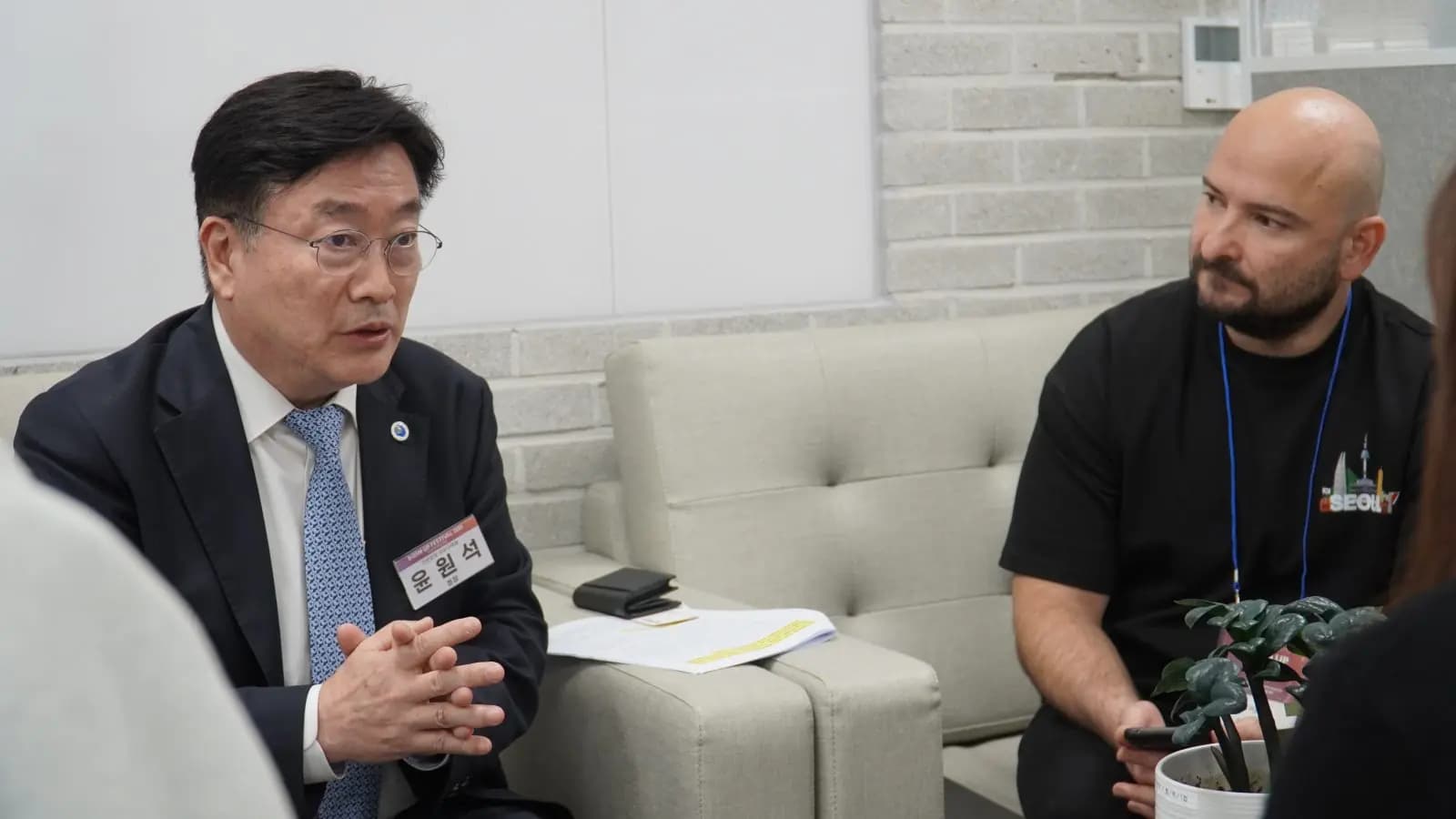
At BoomUp 2025, we sat down with Wonsok Yun, General Commissioner of the Incheon Free Economic Zone (IFEZ), in the heart of Songdo; a futuristic city that literally rose from the Yellow Sea just two decades ago. What we discovered was far more than just impressive architecture. Songdo has evolved into South Korea's largest smart city model, and it's rapidly becoming a global blueprint for urban innovation. Our conversation revealed how strategic vision, practical infrastructure, and genuine ecosystem thinking are transforming startup ambitions into international success stories.
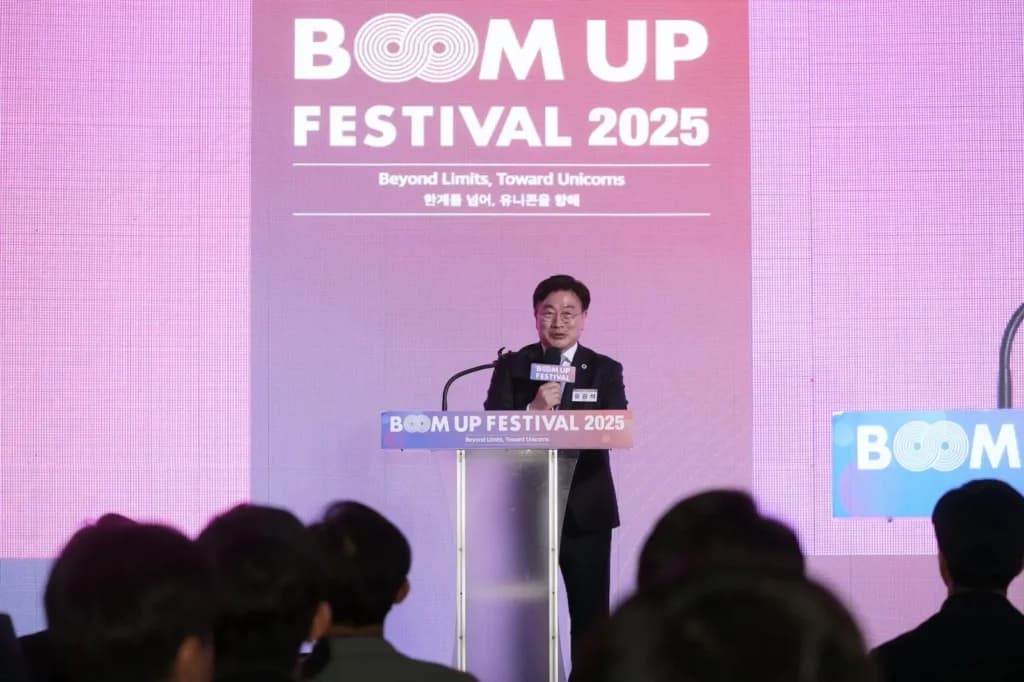
From Mudflats to a Living Laboratory
Imagine: twenty years ago, Songdo was nothing but empty marshland. Today, it's a fully realized 600-hectare intelligent city built from the ground up with one clear mission; to prove that smart cities aren't just about technology, they're about rethinking how cities work.
What struck us most was Yun's point about timing. "Before 'smart city' became trendy, we were already thinking in terms of total connectivity," he explained. "We called it an 'ubiquitous city' back then." That early adoption of the concept attracted major players like Cisco, who saw the potential and became partners from day one.
The centerpiece of this vision is Songdo's Startup Park; a sprawling real-world testing ground where young companies can prove their solutions work in actual urban conditions, not just in labs. As Yun put it: "We designed this ecosystem so startups could validate their technology in a complete urban environment." The results speak for themselves: over 2,000 startups supported in the past five years, 916 billion won in economic activity generated, and nearly 3,900 jobs created.
What we found particularly clever was the dual-label system; NEP and NET certifications that give startups easier access to government procurement contracts. It's a practical lever that removes barriers without creating dependency.
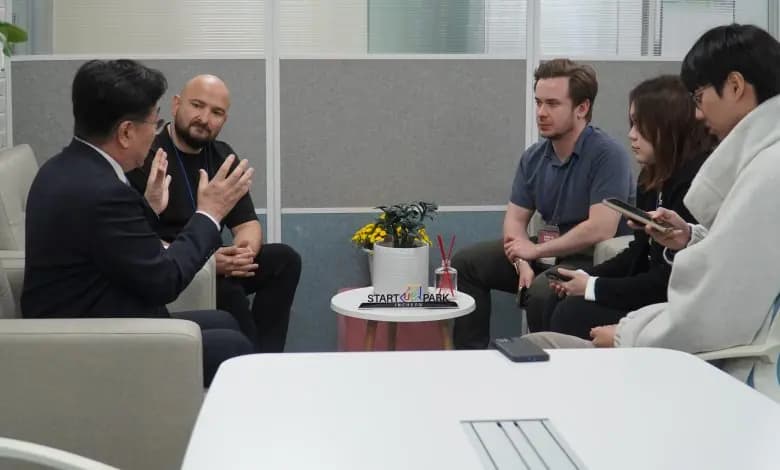
Beyond Tax Breaks: Building a Real Ecosystem
Here's where Songdo diverges from typical free trade zones. Yes, there are tax incentives. But the real draw for foreign investors is something more fundamental: a complete, frictionless operating environment.
The numbers are attractive; land sold at one-third market price, long-term lease arrangements with no upfront rent, priority access to essential infrastructure. But Yun emphasized what really matters: regulatory flexibility. "We can adjust urban plans, synchronize our investments with industry partners, and fast-track the necessary approvals," he said. In a region crowded with competing metros, this agility is a genuine competitive advantage.
When we tested this concept with a group of international SMEs we know, we noticed that they valued speed and certainty more than marginal tax savings. Songdo delivers on both fronts.
The talent pipeline adds another layer. Songdo now hosts a global campus of foreign universities- NYU, George Mason, and Belgium's Ghent University are already there. More are coming: Stanford, Purdue, Georgia Tech, and Johns Hopkins are in talks to establish R&D centers focused on AI, biotech, and semiconductors. This isn't just about prestige; it's about creating a genuine research-to-market pipeline.
"Think Global from Day One"
In our view, one of the smartest moves IFEZ has made is refusing to accept Korea's domestic market as a ceiling. Yun was candid: "Korea has a strong economy, but a limited internal market. You have to think globally from the start."
Enter the Born Global program; a systematic approach to helping local startups go international early. IFEZ actively supports participation in events like CES Las Vegas, helps companies secure international certifications, and develops distribution networks abroad. It's not leaving startup success to chance.
What impressed us was the strategic use of the Korean diaspora. During BoomUp, IFEZ organized a forum connecting overseas Korean investors with local startups. This isn't just networking theater; it's deliberately building bridges between innovation and capital across borders.
And logistics? Songdo doesn't leave that to chance either. Within 30 minutes, there's an international airport with cargo facilities, integrated cold chain infrastructure, and a new maritime port. For any foreign company looking to use Asia as a manufacturing or distribution base, Songdo offers something rare: a complete, integrated gateway.
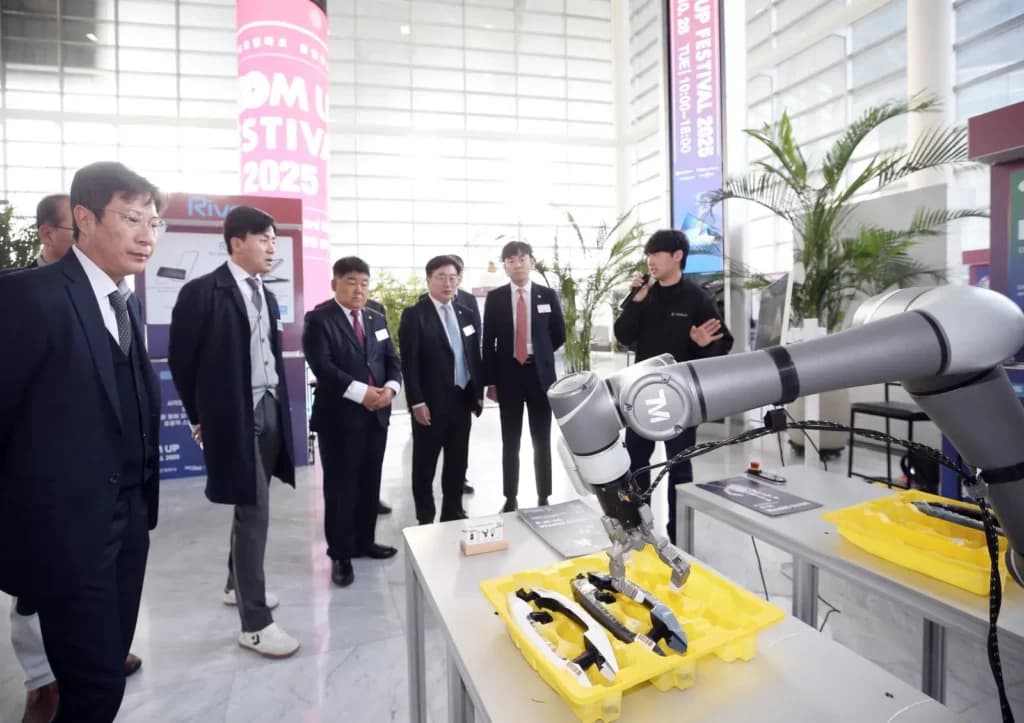
The Bigger Picture
What makes Songdo compelling isn't any single element; it's the integration. A smart city framework. A supportive regulatory environment. Direct access to emerging talent. International logistics. Strategic capital connections. Each piece amplifies the others.


We asked Yun what success looks like in five years. His answer was simple but revealing: "Songdo becomes a launchpad to the world for every high-potential idea that lands here. That's the ambition."
For startups and investors alike, that's not empty promise. It's a blueprint in progress, built on two decades of data, iteration, and genuine commitment to making innovation work at scale. Songdo isn't just a smart city; it's a living proof that when you combine vision with infrastructure, ambition with execution, and local talent with global opportunity, something remarkable happens.