 LEAP26
 AI
AI Saudi Arabia
 UAE
UAE Egypt
EgyptTabSense Launches AI-Driven POS to Combat Fraud in Saudi Hospitality

4 min
TabSense has launched an AI Fraud Detection Agent for Saudi restaurants.
It tracks transactions in real time, flagging “silent losses” and unusual behaviour.
The firm says legacy POS show yesterday; it shows “what is happening”.
Built AI-first, it claims rapid adoption and strong satisfaction scores.
Free AI agents until 2026 aim to drive uptake across 2,000 locations.
TabSense has unveiled what it calls an AI Fraud Detection Agent, positioning the launch as a step beyond the traditional point-of-sale model and into what the company describes as the “Point of Intelligence” era for restaurants and cafés in Saudi Arabia.
The Riyadh-based company, which brands itself as the region’s first “Agentic POS ecosystem”, is making a clear bet: that simply recording transactions is no longer enough for food and beverage operators working on tight margins. Instead, it argues that systems should actively monitor and react in real time.
Fraud in the F&B sector is rarely dramatic. It’s usually small leaks, a refund here, an unauthorised discount there, that quietly chip away at profits. Over time, these “silent losses” can snowball. I’ve seen founders across the MENA region obsess over growth, yet overlook these operational cracks, and, well… it can become a bit of a faff to fix once habits are entrenched.
According to TabSense, its AI Fraud Detection Agent runs around the clock, analysing every transaction as it happens. The system is designed to flag unusual cashier behaviour, track revenue discrepancies between shifts, and highlight repeated exceptions that don’t follow standard protocols. In short, it aims to spot problems before the next shift even begins.
“Legacy systems tell you what happened yesterday; TabSense tells you what is happening right now,” said Mohamed Jaber, Co-Founder and CEO of TabSense. He added that the platform is built not just to record data but to “reason through it” in order to protect margins proactively.
The company’s wider strategy rests on what it sees as a second-mover advantage. While earlier players such as Foodics helped digitise Saudi Arabia’s food services sector, TabSense says it was able to avoid legacy technical constraints by building its architecture around AI from day one. That, it claims, allows it to move beyond passive analytics into what it calls agentic, action-driven intelligence.
An independent study by Headway found that TabSense scored higher than competitors on a System Satisfaction Index, particularly in simplicity and ease of use. The same research suggests that most users become comfortable with the platform within one to two days, which, for busy restaurant operators, is definately a selling point.
Beyond fraud detection, the platform includes tools such as AI-driven cross-selling recommendations, which the company says can raise average basket size by 7% and boost EBIT by 38%. There is also a conversational feature that allows merchants to access reports and manage inventory via WhatsApp, a pragmatic nod to non-technical operators who don’t want to wrestle with complicated dashboards. I’m not always a fan of throwing AI at every problem, but meeting SME owners where they already are feels spot on.
Crucially for Saudi businesses, TabSense says its system has been built to comply with ZATCA’s Phase II e-invoicing requirements from the outset. With more than 150,000 SMEs operating in the Kingdom, regulatory compliance is not just a tick-box exercise; it can make or break daily operations.
Following a funding round announced last year, the company is now offering some of its AI agents free of charge through 2026, in a push to reduce switching barriers. It says operators can migrate without manual effort and that many merchants see measurable operational improvements within the first quarter.
“The era of the passive POS is over,” Mohammad Jaber said in a separate statement, adding that the goal is to equip Saudi merchants with tools to “sell smarter and grow faster”.
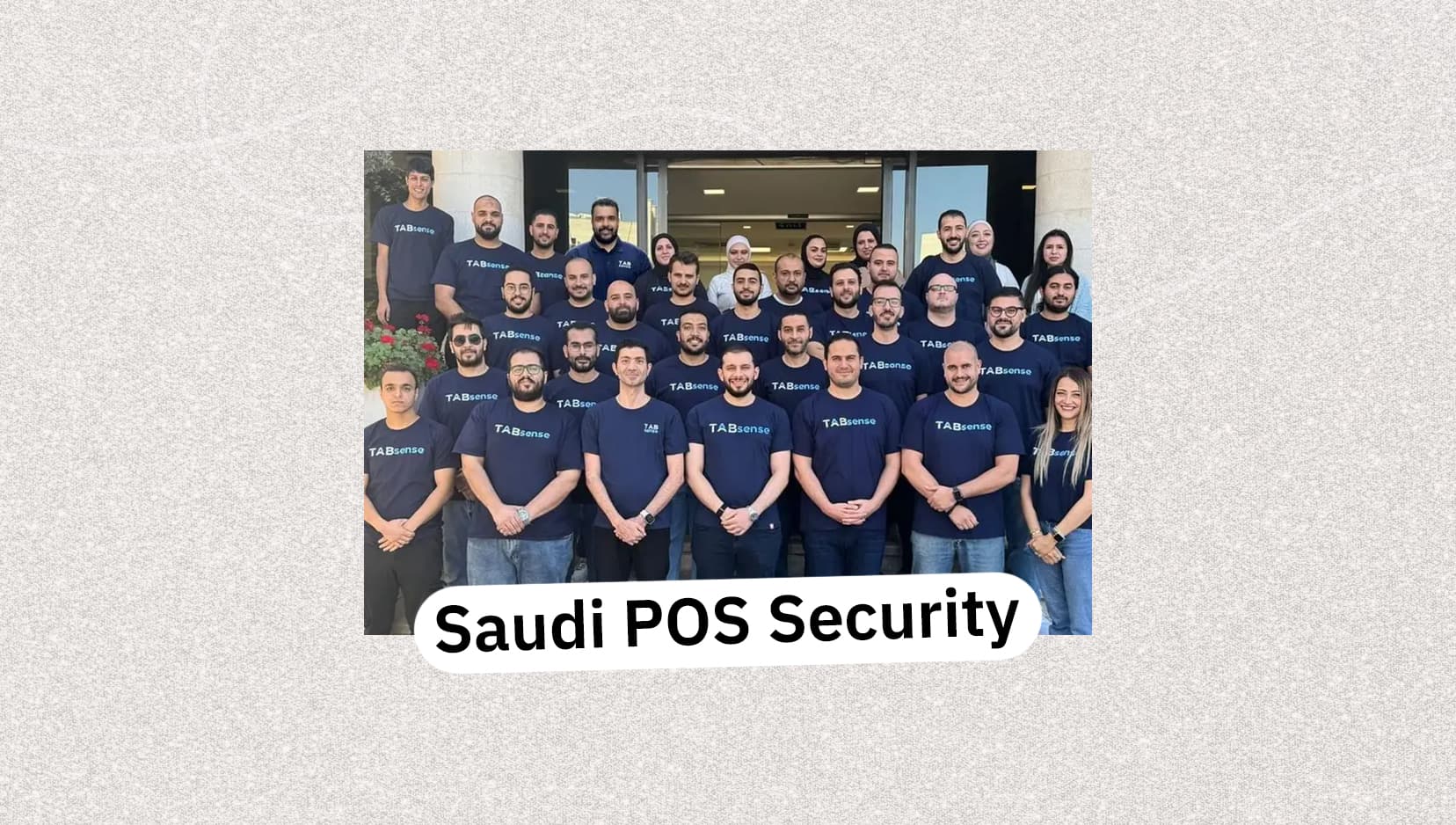
TabSense currently serves more than 2,000 locations across the MENA region. Founded by a team with backgrounds including Mawdoo3 and PwC, the startup is part of a broader wave of companies in the region trying to redefine everyday business tools with AI at the core.
On the flip side, the real test will be adoption at scale. Restaurant owners are practical people; if something saves money and time, they will stick with it. If not, they move on quickly. Still, the idea of shifting from a passive till to a “point of intelligence” is an ambitious one, and in a market as competitive as Saudi F&B, even small efficiency gains can make a world of difference. And believe it or not, that’s often where the real growth story begins.
🚀 Got exciting news to share?
If you're a startup founder, VC, or PR agency with big updates—funding rounds, product launches 📢, or company milestones 🎉 — AraGeek English wants to hear from you!




✉️ Send Us Your Story 👇