 LEAP26
 AI
AI Saudi Arabia
 UAE
UAE Egypt
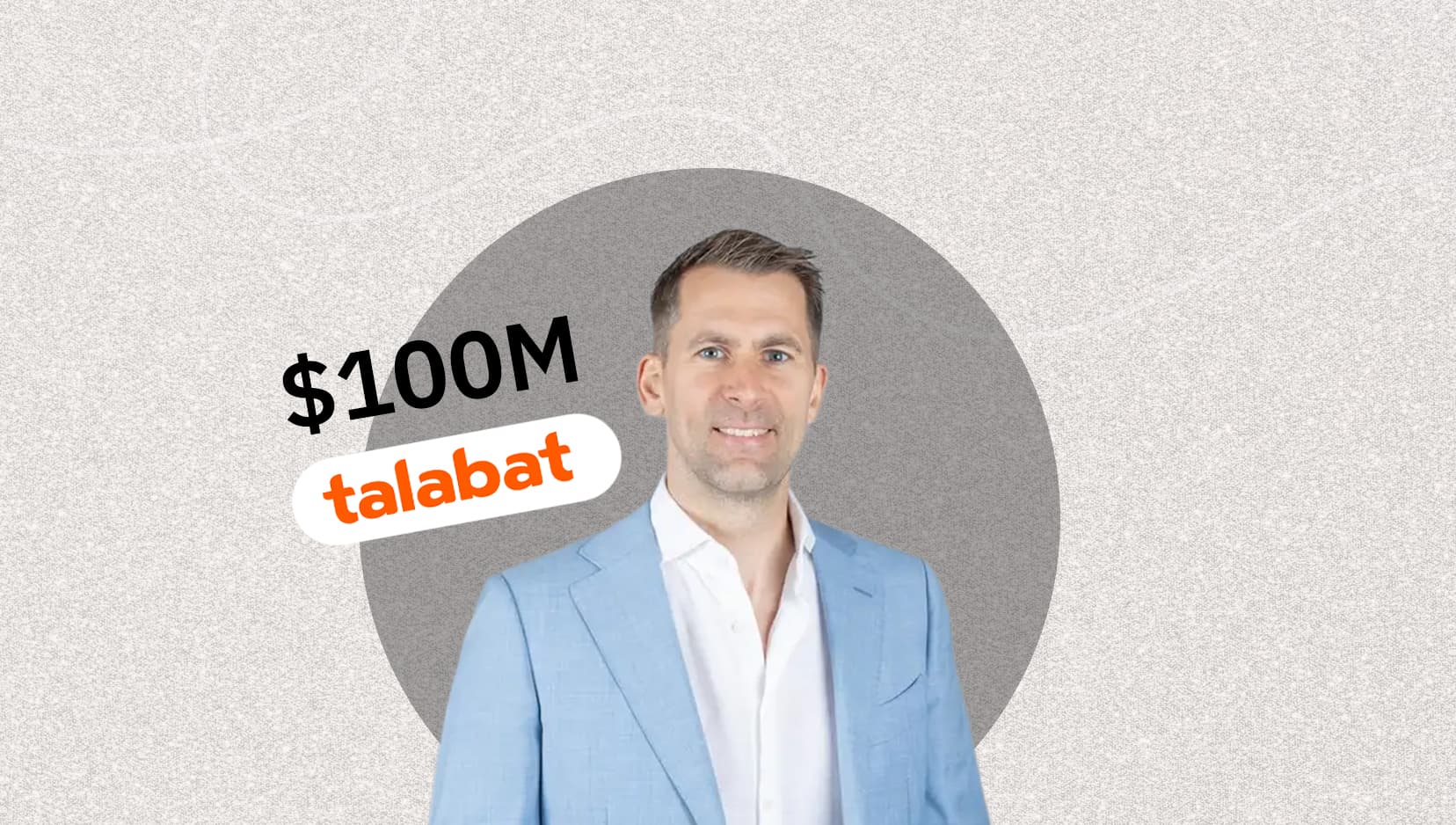
EgyptTalabat Closes 2025 Strong, Announces $100M Investment for 2026 Growth

5 min
Talabat closed 2025 strongly, with Q4 GMV up 21% to $2.
5 billion.
Full-year revenue jumped 33%, while adjusted EBITDA reached $615 million.
Growth stayed “spot on” between expansion and profitability, with solid cash flow.
Non-GCC markets surged 57%, and grocery and retail climbed 45%.
Over $100 million will fund grocery scaling and talabat pro in 2026.
Talabat has closed 2025 on a solid note, posting resilient fourth-quarter figures and setting out what it calls a disciplined investment cycle for the year ahead. For a company that operates in a region where market conditions can shift quickly, that steady hand will probably go down well with investors.
In the final quarter of 2025, gross merchandise value (GMV) climbed 21% year on year to reach $2.5 billion, the same growth rate on a constant currency basis. Revenue outpaced that, rising 26% to $1 billion. Adjusted EBITDA came in at $156 million, representing 6.3% of GMV, while net income stood at $123 million, or 5% of GMV. On an adjusted basis, stripping out non-operating items, net income was broadly flat at $124 million.
For the full year, the numbers were even more striking. GMV surged 28% to $9.5 billion, and revenue jumped 33% to $3.9 billion, both at constant currency. Adjusted EBITDA reached $615 million, or 6.5% of GMV, in line with guidance that had already been revised upwards earlier in the year after a strong first half. Net income totalled $464 million, close to projections, while adjusted free cash flow hit $559 million.
I’ve seen plenty of startups chase growth at all costs, only to stumble later. What stands out here is that talabat seems to be trying to keep things spot on between expansion and profitability. Its adjusted free cash flow in Q4 rose 14% to $134 million, with a healthy cash conversion ratio of 86%. Not bad at all in this climate.
Breaking it down, the GCC still accounts for the lion’s share of GMV at 80%, generating $2 billion in Q4, up 15%. But non-GCC markets grew much faster, soaring 57% to $501 million and now representing 20% of the total. That shift is worth watching. On the product side, food remains dominant at 68% of GMV, though grocery and retail (G&R) are catching up quickly, up 45% year on year to $788 million.
Margins narrowed slightly, with adjusted EBITDA at 6.3% compared to 6.8% a year earlier. The company pointed to product mix shifts towards grocery and retail, which typically carry lower gross margins. Net income fell 11% in Q4, partly due to the introduction of a 15% corporate income tax in GCC markets and base effects linked to deferred tax income in the previous year.
Still, the board has recommended total dividends of $421 million for 2025, above earlier guidance of $400 million. That’s a 90% payout ratio on reported net income. And believe it or not, in a sector where cash is often burned faster than it’s made, that level of distribution feels like a strong statement of confidence.
Looking ahead, talabat plans to invest more than $100 million in 2026, focusing on two pillars: scaling its grocery arm, talabat mart, and strengthening its loyalty subscription, talabat pro. The grocery push will centre on affordability, higher store density and expanded supply chain infrastructure. Management expects these investments to be offset in the long term through higher advertising and non-merchandising revenues, especially in markets where talabat mart is already gaining early traction.
As for talabat pro, the subscription programme is now live in all eight of the company’s markets, including Egypt and Iraq where it rolled out in 2025. It bundles free delivery with perks such as discounts on selected food and grocery items, dine-out deals, priority support and even partner services like streaming and ride-hailing. The idea is simple: deepen engagement across multiple verticals and increase order frequency. On the flip side, such ecosystem plays can be a bit of a faff to execute well, particularly across diverse markets. I reckon the real test will be consistency.
For 2026, the company is guiding for GMV growth of 11–14% at constant currency, adjusted EBITDA between $510 million and $540 million, net income of $280–310 million and free cash flow of $370–400 million. The outlook includes the expected performance of instashop. Margins will likely feel some pressure as investments ramp up, but the long-term target is clear: strengthen competitive positioning and maximise shareholder value.
Toon Gyssels, talabat’s newly appointed Chief Executive Officer, said the company had demonstrated the strength and scalability of its model in 2025, delivering robust growth and profitability despite what he described as a dynamic operating environment. He added that the planned investments for 2026, backed fully by the board, are intended to expand the multi-vertical subscriber base and enhance the overall value proposition, even if they weigh on margins in the near term.
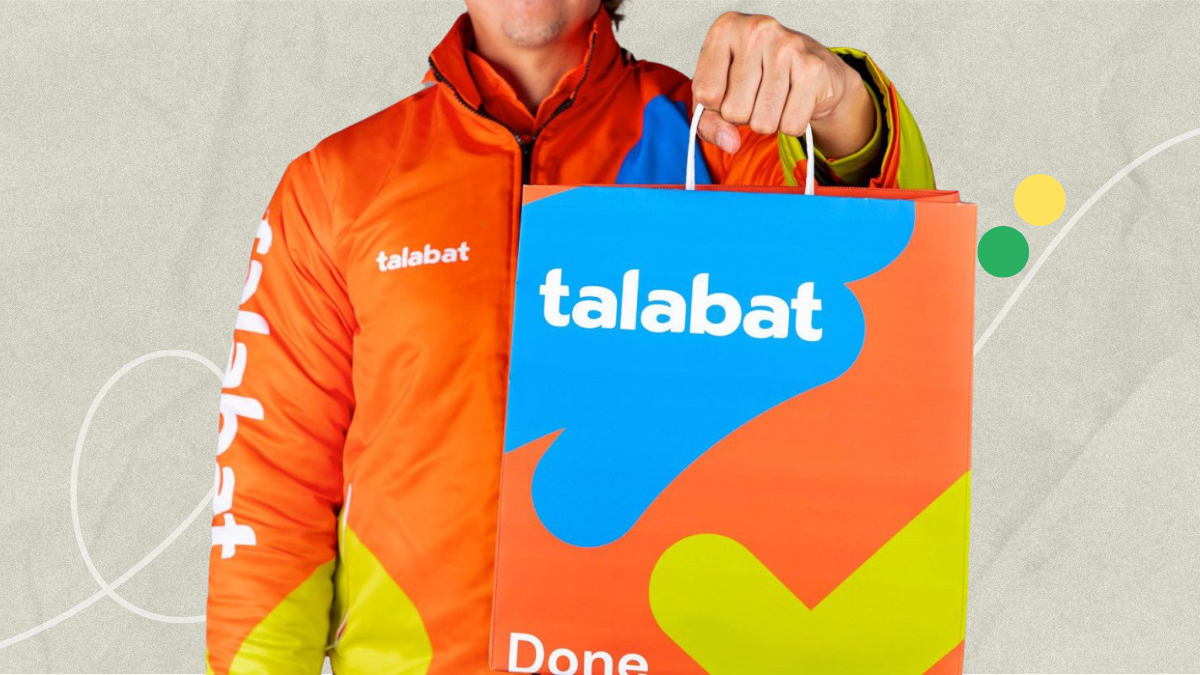
Talabat, founded in Kuwait in 2004 and now headquartered in Dubai, operates across the UAE, Kuwait, Qatar, Egypt, Bahrain, Oman, Jordan and Iraq. It serves more than six and a half million active customers and recently completed its IPO on the Dubai Financial Market. As a subsidiary of Delivery Hero SE, it taps into global expertise while focusing squarely on regional growth.
At Arageek, we often speak to founders who dream of building platforms that truly stitch together food, grocery and lifestyle into one seamless app. Talabat’s latest results suggest that dream is not just talk. Whether this next investment cycle will pay off as planned is, of course, another question. But for now, the company ends 2025 in a resiliant position, and that, in today’s market, counts for quite a lot.
🚀 Got exciting news to share?
If you're a startup founder, VC, or PR agency with big updates—funding rounds, product launches 📢, or company milestones 🎉 — AraGeek English wants to hear from you!



✉️ Send Us Your Story 👇